CM Sukhu Pledges Power, Roads for Remote Lahaul-Spiti

Synopsis
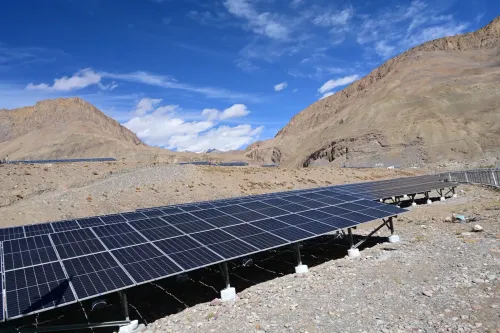
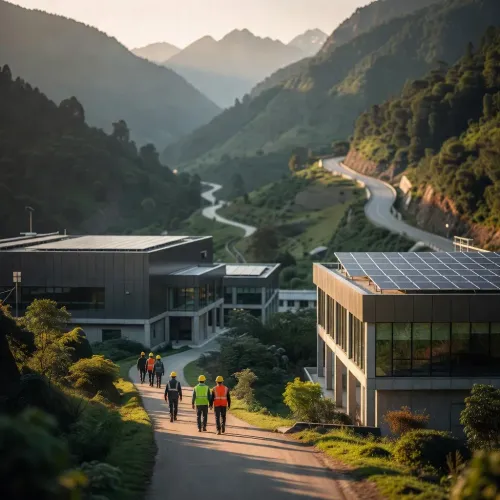
Chief Minister Sukhvinder Singh Sukhu has pledged that new projects will bring uninterrupted electricity, improved roads, and expanded basic facilities to remote villages in Lahaul-Spiti, Himachal Pradesh's remote high-altitude tribal district bordering Ladakh and Tibet.
Key Takeaways
CM Thakur Sukhvinder Singh Sukhu announced on October 15, 2026 that infrastructure projects will benefit Lahaul-Spiti .
The three stated goals are uninterrupted power supply, better road connectivity, and expanded basic amenities in remote villages.
Lahaul-Spiti is a high-altitude tribal district bordering Ladakh and Tibet, historically underserved due to harsh winters and geographic isolation.
CM Sukhu has prioritised regional development since taking office in December 2022 .
Specific project names, budgets, and timelines were not disclosed in the statement.
One of India's most isolated high-altitude districts is being promised a lifeline. The Chief Minister's Office of Himachal Pradesh shared a statement on Thursday, October 15, 2026, in which Chief Minister Thakur Sukhvinder Singh Sukhu declared that ongoing development projects will deliver uninterrupted electricity, improved road connectivity, and expanded basic amenities to the remote villages of Lahaul-Spiti.
Speaking in Hindi, CM Sukhu said these efforts will 'स्थानीय जनजीवन को सुगम बनाने के साथ-साथ लाहौल-स्पीति में विकास की संभावनाओं को भी सशक्त करेंगे' — that is, 'make local life easier while also strengthening the prospects of development in Lahaul-Spiti.' The statement frames the push as more than infrastructure: it is, in the Chief Minister's words, a clearing of the path for a better future in the region.
Why Lahaul-Spiti Is Always the Hardest Problem to Solve
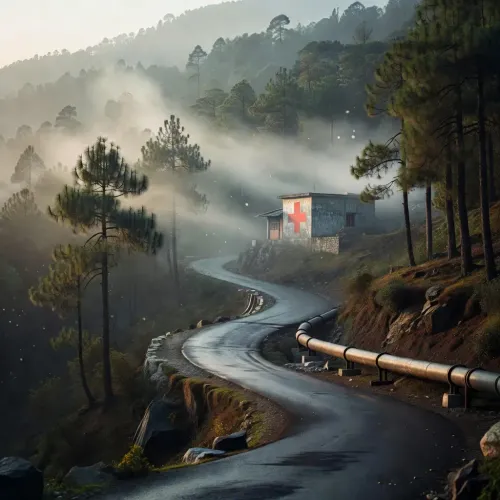
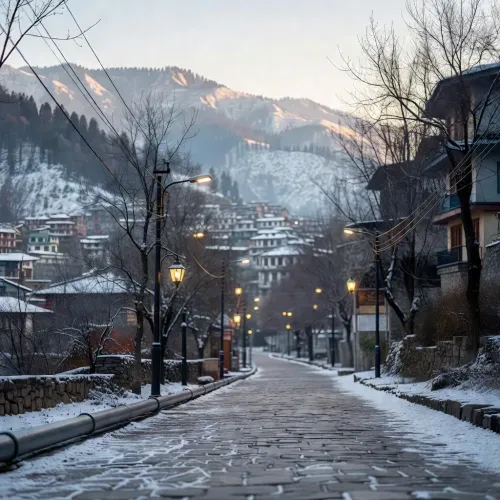
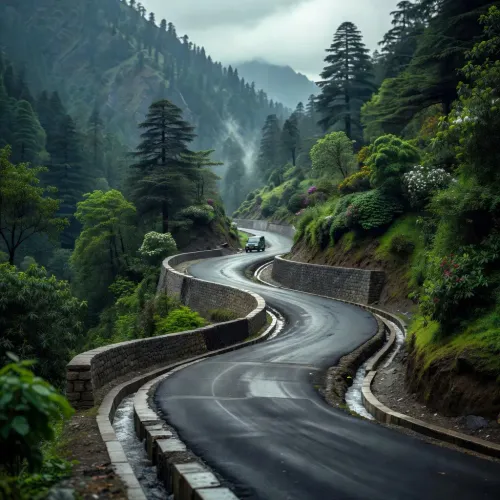
Lahaul-Spiti is Himachal Pradesh's largest district by area and among its most sparsely populated — a high-altitude tribal belt wedged between Ladakh and Tibet. Biting winters routinely cut off villages for months, power supply remains erratic, and road connections that exist in summer can vanish under snow by October. For generations, the standard of basic services here has lagged far behind the state's more accessible hill towns.
Himachal Pradesh governments have repeatedly targeted this gap through power projects and road-improvement schemes, recognising both the humanitarian case and the strategic importance of keeping border-adjacent communities invested in the state's development story. The pattern is consistent; the execution has historically been the challenge.
What Sukhu's Push Means for the District
CM Sukhu has made regional development a signature theme since taking office in December 2022. The latest statement signals that Lahaul-Spiti remains a priority, even if the specific projects referenced have not been named in the public post. The three pillars — uninterrupted power supply, better roads, and expanded basic facilities — map directly onto the district's most documented deficiencies, suggesting the government is responding to on-ground needs rather than announcing symbolic gestures.
The real test, as always in high-altitude Himalayan districts, is timeline and funding. Whether these commitments appear as line items in the state budget or surface in assembly discussions will determine whether this statement marks the start of delivery — or another entry in a long list of intentions.
For a district where road access is the difference between a medical emergency and a tragedy, the stakes could not be more concrete.
Point of View
As connectivity in districts adjoining sensitive frontiers serves national interests beyond the local. Voters in Lahaul-Spiti will be watching whether this October statement translates into visible ground-level work before the next winter cuts access again.
NationPress
15 Oct 2026
Frequently Asked Questions
What infrastructure projects has CM Sukhu announced for Lahaul-Spiti?
CM Sukhu stated that projects are underway to deliver uninterrupted electricity, improved road connectivity, and expanded basic facilities to remote villages in Lahaul-Spiti, though specific project names and timelines were not disclosed in the announcement.
Why is Lahaul-Spiti so underdeveloped compared to other Himachal Pradesh districts?
Lahaul-Spiti is a high-altitude tribal district bordering Ladakh and Tibet. Its extreme elevation, harsh winters, and geographic isolation make infrastructure development costly and difficult, leaving villages cut off from services for months each year.
Who is Sukhvinder Singh Sukhu?
Thakur Sukhvinder Singh Sukhu is the Chief Minister of Himachal Pradesh, having taken office in December 2022. He has made regional development and infrastructure expansion a stated priority of his administration.
How does Lahaul-Spiti benefit from better road connectivity?
Improved roads in Lahaul-Spiti reduce the risk of villages being completely cut off during winter, enable timely medical access, support local trade, and connect remote communities to government services that are otherwise inaccessible for months at a time.
Has Himachal Pradesh invested in Lahaul-Spiti infrastructure before?
Yes. Successive Himachal Pradesh governments have repeatedly targeted infrastructure gaps in Lahaul-Spiti through power projects and road schemes. The district receives recurring policy attention due to its isolation, tribal population, and proximity to sensitive border areas.