CM Sukhu flags landslide-resilient road connectivity for HP

Synopsis
Chief Minister Sukhvinder Singh Sukhu has highlighted infrastructure measures to reduce landslide damage and provide safe, uninterrupted road connectivity in Himachal Pradesh, as the state braces for another monsoon season of slope-failure risks.
Key Takeaways
CM Sukhu stated that ongoing infrastructure efforts will reduce damage from landslides and ensure safe, easy, and uninterrupted movement for residents.
Himachal Pradesh faces recurring landslide disruptions every monsoon season, affecting both local mobility and the tourism economy.
The Atal Tunnel (inaugurated 2020 ) on the Manali-Leh highway set a precedent for all-weather, landslide-resilient connectivity in the state.
The national Bharatmala Pariyojana (launched 2015 ) includes landslide mitigation components for hilly states that HP has drawn on.
State Public Works Department tenders and budget allocations will be key indicators of whether the stated policy intent is backed by concrete investment.
The Chief Minister's Office of Himachal Pradesh on Sunday, 7 June 2026 shared remarks by Chief Minister Thakur Sukhvinder Singh Sukhu emphasising infrastructure measures aimed at reducing damage from landslides and ensuring safe, smooth, and uninterrupted movement for residents across the state.
Context
The post, attributed directly to Chief Minister Sukhu, states in Hindi: 'जिससे भूस्खलन जैसी प्राकृतिक चुनौतियों से होने वाली क्षति को कम किया जा सकेगा तथा लोगों को सुरक्षित, सुगम और निर्बाध आवागमन की सुविधा प्राप्त होगी' — meaning, 'so that damage caused by natural challenges such as landslides can be reduced and people will get the facility of safe, easy, and uninterrupted movement.' The statement signals the state government's continued focus on disaster-resilient connectivity as a governance priority.
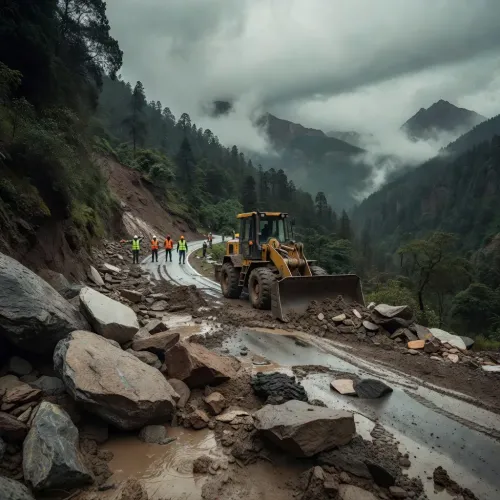
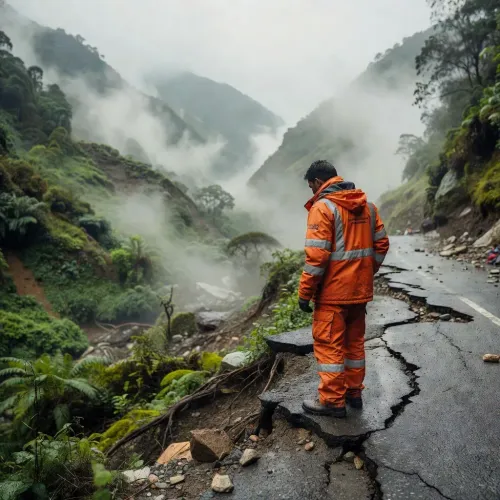
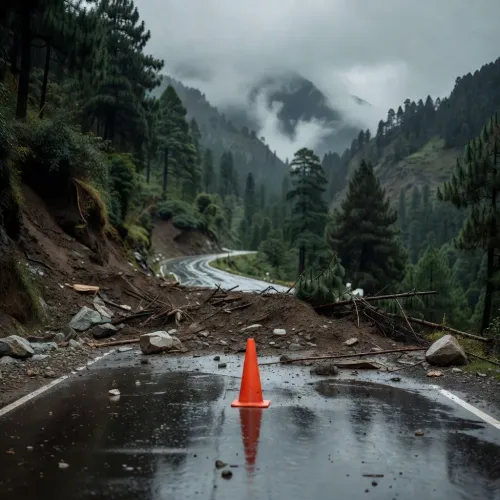
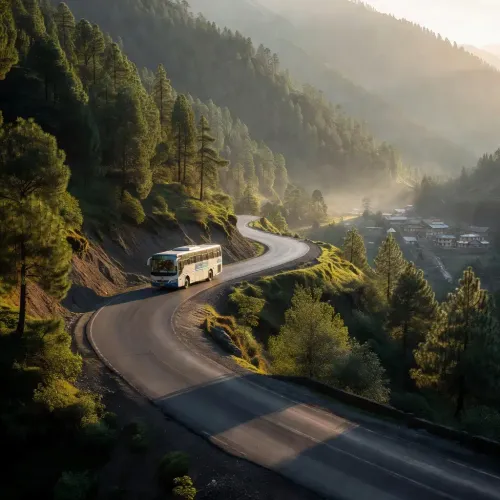
Himachal Pradesh, a mountainous state in northern India, faces recurring landslide events particularly during the monsoon season, which regularly disrupt highways, cut off villages, and affect the tourism-dependent economy. Road connectivity in such terrain carries both daily-life and emergency-response significance.
Policy Backdrop
Efforts to build landslide-resilient road infrastructure in Himachal Pradesh are not new. The Atal Tunnel on the Manali-Leh highway, inaugurated in 2020, was specifically designed to provide all-weather connectivity and reduce traveller exposure to avalanches and slope failures — a model that subsequent state-level projects have looked to replicate.
At the national level, the Bharatmala Pariyojana, launched in 2015, includes landslide mitigation components for hilly states as part of its broader highway development mandate. Himachal Pradesh's Public Works Department has historically aligned state road projects with such central programmes to access funding and technical support for slope stabilisation and drainage works.
Himalayan states have increasingly incorporated geotechnical safeguards — including retaining walls, drainage channels, and tunnel bypasses — into new road projects, recognising that connectivity losses during monsoon months carry both human and economic costs.
Stakeholders and Impact
The primary beneficiaries of landslide-resilient road infrastructure are hill residents in remote and semi-remote areas who depend on road access for essential services, livelihoods, and emergency evacuation. Highway travellers and the state's substantial tourism sector also stand to gain from reduced disruption during peak monsoon months.
For the Sukhu government, which assumed office in December 2022, road safety and disaster-resilient connectivity have been consistent public-messaging themes. Statements of this nature reinforce the administration's positioning on infrastructure as a welfare issue rather than a purely developmental one.
What's Next
Observers will watch for state budget allocations and Public Works Department tenders that translate this stated priority into specific project approvals and timelines ahead of the next monsoon season. The degree to which slope-stabilisation and drainage components are embedded in upcoming road contracts will indicate how far the policy intent expressed in the Chief Minister's remarks is backed by financial commitment.
With monsoon season approaching, the pressure on the state administration to demonstrate tangible progress on landslide mitigation — rather than aspirational statements — will only intensify.
Point of View
Where road disruptions during monsoon months translate directly into public grievance and electoral vulnerability. By framing infrastructure as a disaster-risk-reduction issue rather than a routine development project, the Sukhu administration positions itself as responsive to lived realities rather than abstract growth metrics. This messaging aligns with a national pattern in which Himalayan state governments increasingly compete to demonstrate geotechnical seriousness alongside connectivity ambition. The test, as always, will be whether budget lines and tender notices follow the rhetoric before the next monsoon arrives.
NationPress
22 Oct 2026
Frequently Asked Questions
What did CM Sukhu say about landslides and road safety in Himachal Pradesh?
CM Sukhvinder Singh Sukhu stated that infrastructure measures being undertaken will reduce damage from landslides and provide people with safe, easy, and uninterrupted road movement across Himachal Pradesh.
Why are landslides such a big problem for roads in Himachal Pradesh?
Himachal Pradesh is a mountainous Himalayan state where heavy monsoon rainfall regularly triggers landslides that block highways, cut off villages, and disrupt both daily life and tourism, making disaster-resilient road design a critical need.
What is the Atal Tunnel and how does it relate to landslide safety?
The Atal Tunnel on the Manali-Leh highway, inaugurated in 2020, was built to provide all-weather connectivity and reduce traveller exposure to avalanches and landslides, and has since served as a model for similar projects in the state.
What is Bharatmala Pariyojana and does it cover Himachal Pradesh?
Bharatmala Pariyojana is a national highway development programme launched in 2015 that includes landslide mitigation components for hilly states; Himachal Pradesh has aligned several road projects with this scheme to access central funding and technical support.
When is the next monsoon season in Himachal Pradesh and why does it matter for roads?
The monsoon season in Himachal Pradesh typically arrives between June and September, and it is during this period that landslide risk peaks, making pre-monsoon infrastructure investment and slope stabilisation work most urgent.