HP CM Orders Faster Relief, Road Restoration After Monsoon Damage
Synopsis
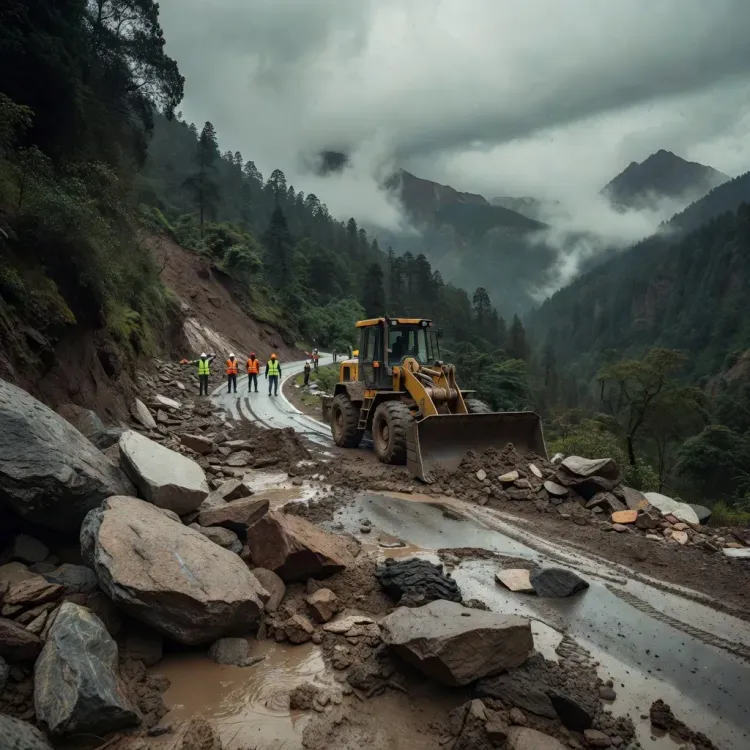
Chief Minister Sukhvinder Singh Sukhu on 28 July 2026 directed Himachal Pradesh officials to accelerate road restoration, relief and rescue operations in monsoon-hit areas, and ensure all possible assistance reaches affected families, as the state government maintains continuous monitoring of the situation.
Key Takeaways
The Chief Minister's Office of Himachal Pradesh issued a disaster-response directive on 28 July 2026 .
CM Sukhvinder Singh Sukhu personally obtained detailed briefings from officials on the ground situation.
Instructions were issued to expedite road restoration in affected areas.
Relief and rescue operations have been directed to be accelerated across impacted zones.
Affected families are to receive 'all possible assistance' as per the CM's directive.
Himachal Pradesh faces recurrent monsoon-season damage to roads and habitations due to its Himalayan terrain.
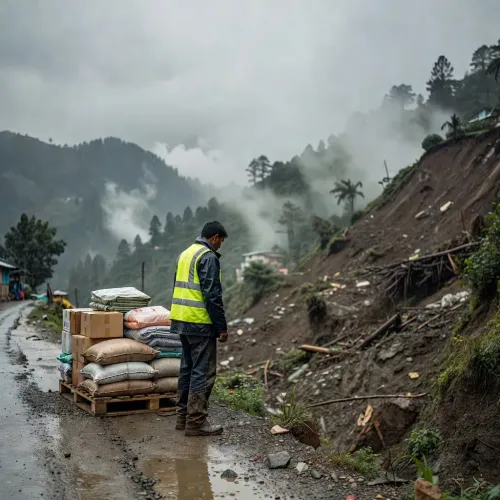
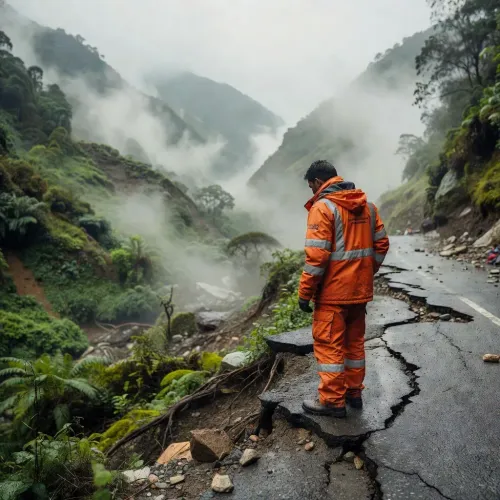
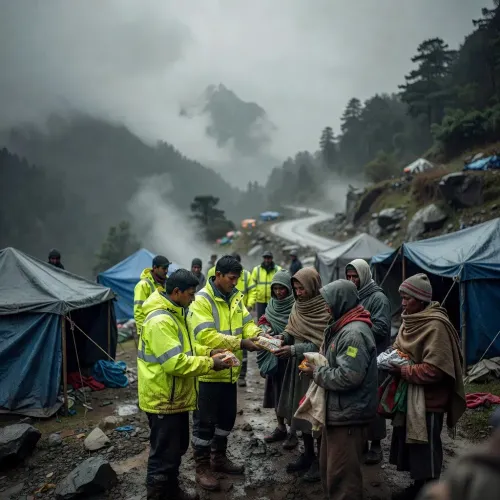
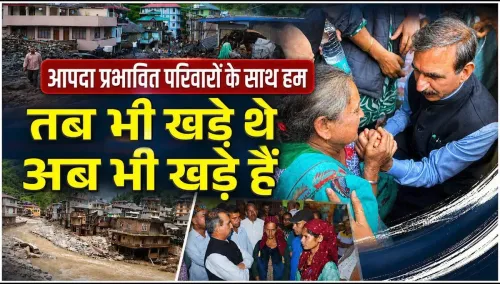
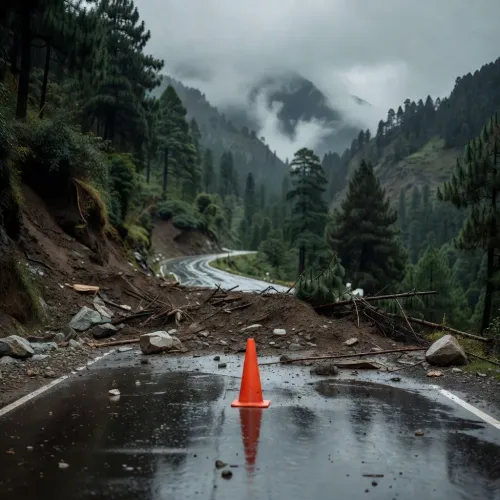
The Chief Minister's Office of Himachal Pradesh on Tuesday, 28 July 2026, announced that the state government is continuously monitoring the situation following monsoon-induced damage, with Chief Minister Sukhvinder Singh Sukhu directing officials to accelerate road restoration, relief, and rescue operations in affected areas.
Posting on X, the official Chief Minister's Office account stated: 'प्रदेश सरकार स्थिति पर लगातार नजर बनाए हुए है' — 'The state government is continuously keeping watch on the situation.' The CM added that he had obtained detailed information from officials and issued instructions to expedite road restoration, relief and rescue work in affected areas, and to provide all possible assistance to affected families.
Context
Himachal Pradesh, a northern Himalayan state, is among India's most vulnerable regions during the monsoon season, facing recurrent floods, landslides, and road washouts that cut off remote habitations. The monsoon months of July and August typically see the highest concentration of such damage, placing immense pressure on district administrations and public works departments to restore connectivity and deliver relief. The CM's directive signals an active state-level response, with Sukhu personally engaging with officials to obtain ground-level assessments before issuing operational instructions.Policy Backdrop
Following the severe 2023 monsoon season, when Himachal Pradesh suffered widespread destruction to roads, bridges, and habitations, the state government strengthened coordination mechanisms between district administrations, the Public Works Department, and disaster management units. Those reforms were aimed at reducing response lag during peak rainfall events. Successive governments in the state have emphasised rapid crisis communication and inter-departmental coordination as core pillars of disaster response. The pattern of the Chief Minister directly monitoring the situation and issuing expedited directives reflects an established protocol for emergency governance in Himalayan states.Stakeholders and Impact
The most immediate stakeholders are affected families in the impacted areas — hill residents who depend on state roads for access to essential services, markets, and medical care. Road washouts in mountainous terrain can isolate communities for days or weeks, making swift restoration a life-critical priority. The directives cover three distinct operational tracks: road restoration to restore connectivity, active relief and rescue operations for those in immediate danger, and material assistance to families who have suffered losses. The breadth of the instruction suggests the damage is spread across multiple localities, though specific districts were not named in the post.What's Next
As the monsoon season progresses through July and August 2026, the state government is expected to issue further updates on restoration timelines and the scale of assistance disbursed to affected families. There may also be a formal assessment of damage that could form the basis of a request for central government assistance under disaster relief frameworks. The pace of road restoration will be a key indicator of the administration's on-ground effectiveness in the weeks ahead.Point of View
Rescue, and family assistance — suggests the administration is aware of the multi-dimensional nature of monsoon damage in hill terrain. This directive also fits into a broader arc of post-2023 reforms in Himachal Pradesh's disaster response architecture, where the CM's office has taken a more visible, real-time coordination role. Whether the pace of actual restoration matches the urgency of the announcement will determine the political and administrative credibility of this response.
NationPress
26 Oct 2026
Frequently Asked Questions
What did Himachal Pradesh CM Sukhu order on 28 July 2026?
CM Sukhvinder Singh Sukhu directed officials to speed up road restoration, relief and rescue operations in monsoon-affected areas of Himachal Pradesh, and to provide all possible assistance to affected families.
Which areas in Himachal Pradesh were affected by monsoon damage in July 2026?
The Chief Minister's Office did not name specific districts in its 28 July 2026 post; it referred broadly to 'affected areas' where road restoration and rescue operations have been ordered.
How does Himachal Pradesh respond to monsoon disasters?
The state government activates district administrations, the Public Works Department, and disaster management units, with the Chief Minister directly monitoring the situation and issuing operational directives during peak rainfall events.
Has Himachal Pradesh faced monsoon damage before?
Yes. Himachal Pradesh experiences recurrent monsoon-induced floods, landslides, and road washouts every year. The 2023 monsoon season was particularly severe, prompting the state to strengthen its disaster coordination mechanisms.
Can affected families in Himachal Pradesh get government relief?
Yes. CM Sukhu's 28 July 2026 directive explicitly instructs officials to provide 'all possible assistance' to families affected by the current monsoon damage.