CM Sukhu Reaffirms HP Govt's Disaster Relief and Rehabilitation Commitment
Synopsis
Himachal Pradesh CM Sukhvinder Singh Sukhu on 3 July 2026 reaffirmed his government's commitment to disaster-hit families, citing swift relief delivery and compensation for homes, livestock, and livelihoods. The statement signals continued focus on rehabilitation and reconstruction as the 2026 monsoon season progresses across the Himalayan state.
Key Takeaways
CM Sukhvinder Singh Sukhu posted on 3 July 2026 reaffirming the Himachal Pradesh government's disaster relief and rehabilitation commitment.
The government claims to have ensured compensation for losses to houses, household goods, livestock, and livelihoods with 'complete dedication and sensitivity.' Relief efforts are anchored in SDRF and NDRF norms, combining immediate ex-gratia payments with longer-term reconstruction support.
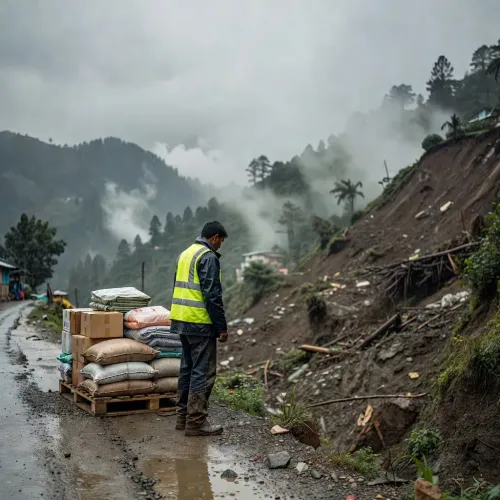
Himachal Pradesh is a Himalayan state highly vulnerable to monsoon-driven cloudbursts, flash floods, and landslides that devastate rural households.
The administration's stated goal is to help affected families 'return to normal life as quickly as possible.' Progress on permanent housing and livelihood restoration projects and potential additional central assistance will be key indicators to watch in the coming months.
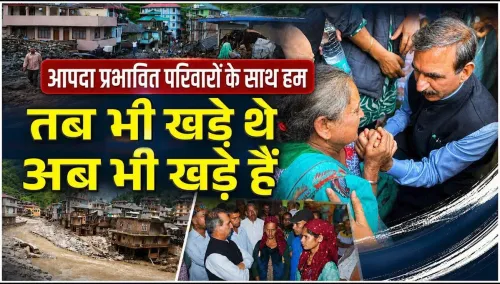
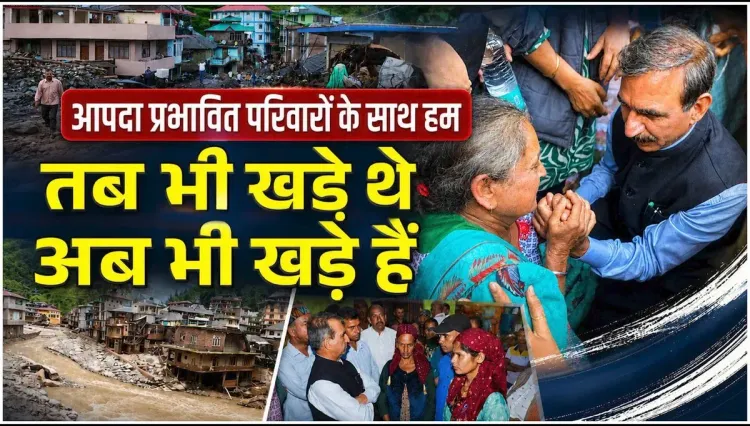
Himachal Pradesh Chief Minister Sukhvinder Singh Sukhu on Friday, 3 July 2026, reaffirmed his government's commitment to standing by disaster-affected families, stating that relief, rehabilitation, and reconstruction efforts have been carried out with 'complete dedication and sensitivity.' The post, shared on X, highlighted the administration's resolve to restore normal life for those who lost homes, livestock, and livelihoods to natural calamities.
Context
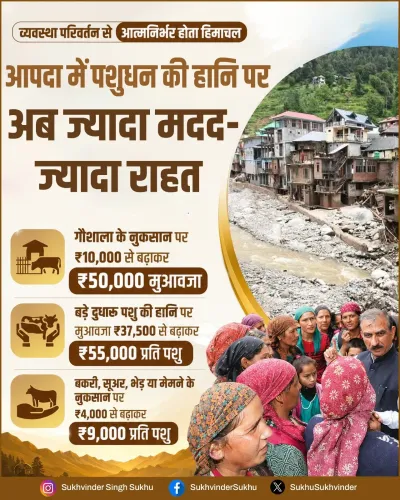
In his post, Chief Minister Sukhu wrote — 'आपदा जब हमारे भाइयों-बहनों के जीवन पर कहर बनकर टूटी, तब हम उनके साथ मज़बूती से खड़े रहे' ['When disaster struck the lives of our brothers and sisters like a calamity, we stood firmly by their side']. He added that the government ensured compensation for losses to houses, household goods, livestock, and livelihoods alongside swift relief delivery. The statement underscores the administration's framing of disaster response as a moral and governance priority, not merely a procedural obligation.
Himachal Pradesh is one of India's most disaster-vulnerable states, situated in the western Himalayas where monsoon seasons routinely bring cloudbursts, flash floods, and landslides. Rural households — particularly those dependent on agriculture and animal husbandry — bear the heaviest burden when such events strike.
Policy Backdrop
The Sukhu government, in office since December 2022, has anchored its disaster response framework within the norms of the State Disaster Response Fund (SDRF) and the National Disaster Response Fund (NDRF). Following the severe floods of 2023, the state announced structured compensation packages covering housing reconstruction, livestock loss, and livelihood restoration. These mechanisms allow for ex-gratia payments to affected families and fund longer-term rebuilding efforts.
Successive Himalayan state governments have combined immediate cash relief with phased rehabilitation, a pattern that reflects both the scale of recurring losses and the limitations of annual budget allocations. Central assistance routed through NDRF supplements state resources, particularly when damage assessments cross prescribed thresholds.
Stakeholders and Impact
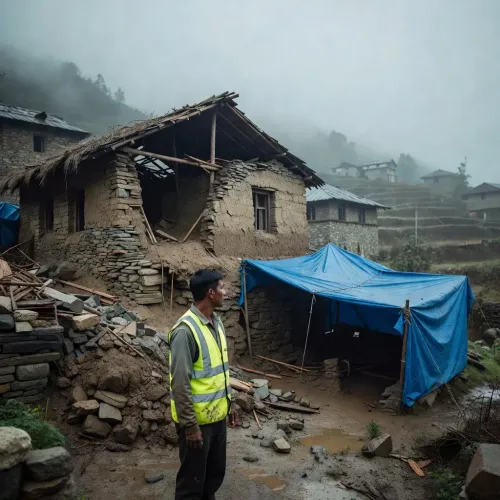
The primary beneficiaries of the relief and rehabilitation drive are flood- and landslide-affected rural families across Himachal Pradesh — including those who lost permanent homes, agricultural land, livestock, and small-business livelihoods. For many households in the state's hilly districts, livestock is both a source of income and a form of savings, making compensation for animal losses a critical component of recovery.
The Congress-led state government has positioned this welfare outreach as a defining feature of its tenure, contrasting its responsiveness with what it describes as gaps in previous administrations' relief delivery. CM Sukhu's post reinforces this narrative ahead of what observers expect will be another active monsoon season in the region.
What's Next
Attention will now turn to the release of any additional central government assistance and to progress reports on permanent housing construction and livelihood restoration projects that were announced in earlier budget cycles. The monsoon season of 2026 is already under way, and the state administration's capacity to respond swiftly to fresh incidents will be closely watched by affected communities and opposition parties alike.
With disaster preparedness and post-disaster welfare now a recurring political flashpoint in Himachal Pradesh, the government's ability to demonstrate measurable outcomes — rebuilt homes, restored livelihoods, compensated families — will be central to its credibility as the legislative cycle progresses.
Point of View
Livestock, livelihoods — the statement moves beyond routine reassurance and stakes a reputational claim on delivery. This fits a broader pattern among Himalayan state governments of treating post-disaster rehabilitation as both a humanitarian obligation and an electoral asset. The real measure, however, will come from independent assessments of how many families have actually received full compensation and completed reconstruction support — data the government has yet to publicly detail.
NationPress
2 Oct 2026
Frequently Asked Questions
What did Himachal Pradesh CM Sukhu say about disaster relief?
CM Sukhvinder Singh Sukhu stated on 3 July 2026 that his government stood firmly by disaster-affected families and ensured compensation for losses to homes, goods, livestock, and livelihoods with full dedication and sensitivity.
Which funds does Himachal Pradesh use for disaster compensation?
Himachal Pradesh channels disaster compensation through the State Disaster Response Fund (SDRF) and the National Disaster Response Fund (NDRF) , which cover ex-gratia payments and longer-term rehabilitation costs.
Why is Himachal Pradesh so vulnerable to natural disasters?
Himachal Pradesh is a Himalayan state where the monsoon season regularly triggers cloudbursts, flash floods, and landslides, causing widespread damage to homes, agricultural land, and livestock — particularly in rural hill districts.
When did Sukhvinder Singh Sukhu become Chief Minister of Himachal Pradesh?
Sukhvinder Singh Sukhu became Chief Minister of Himachal Pradesh in December 2022 after the Indian National Congress won the state assembly election.
What relief measures has the HP government announced for flood-affected families?
The Himachal Pradesh government has announced compensation packages under SDRF and NDRF norms covering housing reconstruction, livestock loss, and livelihood restoration, combining immediate cash relief with phased long-term rehabilitation support.