HP Govt Aided Disaster-Hit Rural Families After Livestock Loss
Synopsis
The Chief Minister's Office of Himachal Pradesh highlighted the state government's efforts to restore livelihoods of rural families hit by natural disasters, focusing on thousands of households that lost livestock and faced acute subsistence challenges.
Key Takeaways
The Chief Minister's Office of Himachal Pradesh posted on 5 July 2026 about government measures to restore rural livelihoods after disaster-related livestock losses.
Livestock loss had created a 'serious question of daily sustenance' for thousands of rural families , according to the post.
The state channels disaster compensation through both the National Disaster Response Fund (NDRF) and the State Disaster Response Fund (SDRF) .
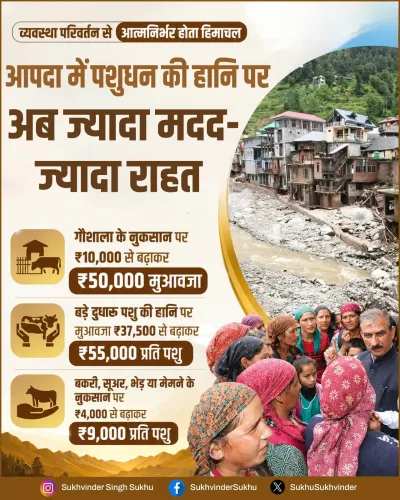
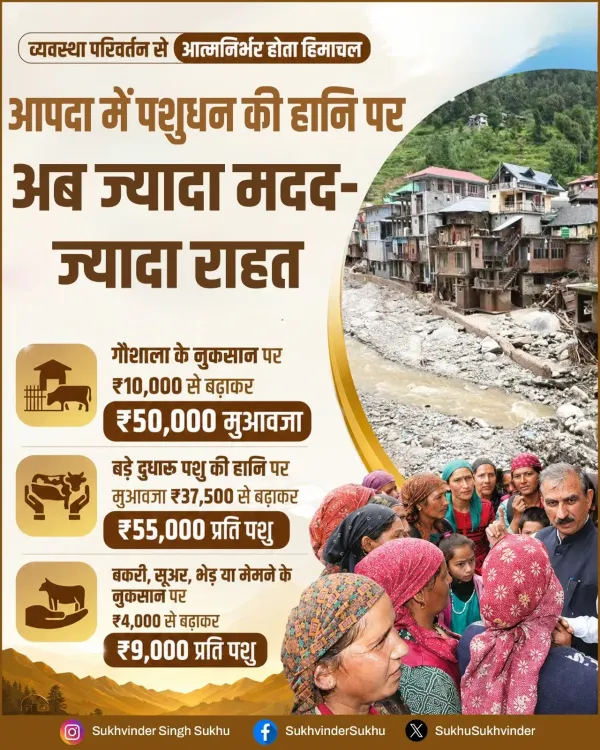
Himachal Pradesh has revised SDRF norms after successive monsoon seasons to increase payouts for milch animals and draught cattle.
Chief Minister Sukhvinder Singh Sukhu has prioritised livestock compensation and rural livelihood restoration since taking office in December 2022 .
With the 2026 monsoon active, state budget allocations for disaster management and revised livestock insurance norms remain closely watched.
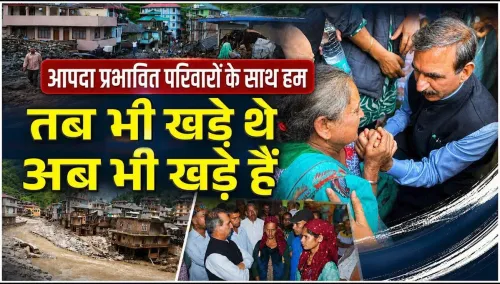
The Chief Minister's Office of Himachal Pradesh on Sunday, 5 July 2026, reaffirmed the state government's commitment to restoring the livelihoods of rural families devastated by natural disasters, with a particular focus on households that suffered livestock losses.
Posting in Hindi, the office stated: 'आपदा की मार ने ग्रामीण परिवारों की आजीविका को संकट में डाल दिया था' ('The blow of disaster had pushed the livelihoods of rural families into crisis'). It added that the loss of livestock had posed a serious question of daily sustenance for thousands of families, and that the government had made every possible effort to restore their economic footing during this challenging period.
Context
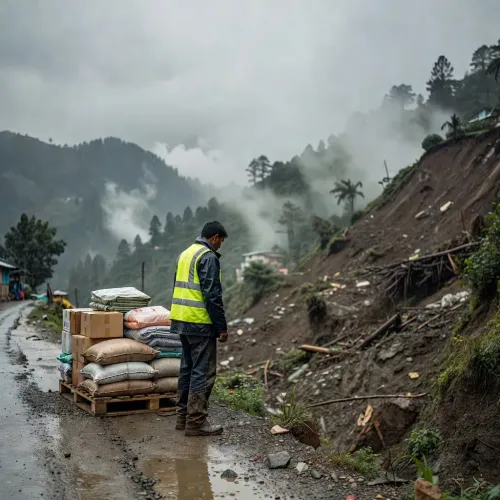
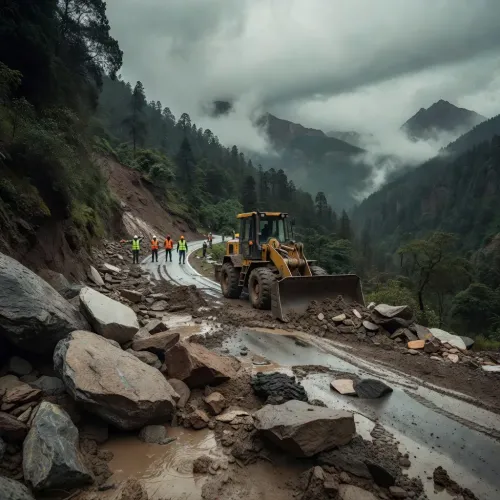
Himachal Pradesh is among the Himalayan states most exposed to monsoon-driven floods, landslides, and cloudbursts. The 2023 monsoon season was particularly destructive, triggering widespread floods and landslides across multiple districts that destroyed homes, standing crops, and — critically for hill communities — livestock. For families in remote valleys where milch cattle and draught animals are the primary productive asset, the loss of even a single animal can erase an entire season's income. The state government under Chief Minister Sukhvinder Singh Sukhu, who has led Himachal Pradesh since December 2022, has repeatedly cited livestock compensation and rural livelihood restoration as a priority in its disaster-response framework.Policy Backdrop
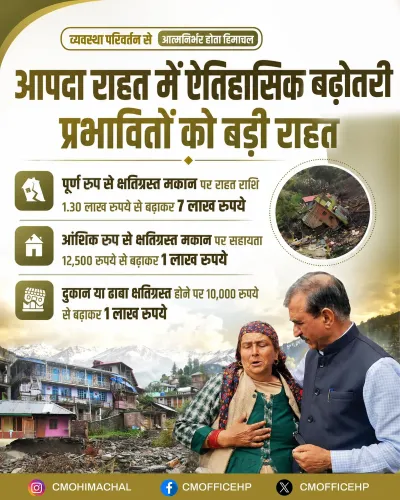
Disaster compensation in Himachal Pradesh flows through two channels: the National Disaster Response Fund (NDRF), activated by the Centre for qualifying calamities, and the State Disaster Response Fund (SDRF), managed by the state. Following successive monsoon disasters, the state has periodically revised its SDRF norms to raise payout rates for milch animals and draught cattle — categories that directly affect daily household income in hill farming communities. District administrations are the primary disbursement channel, responsible for verifying losses and transferring ex-gratia amounts to affected families. The government's post signals that this machinery was deployed to address livestock-related livelihood disruption, though specific figures for the current disbursement cycle have not been officially released.Stakeholders and Impact
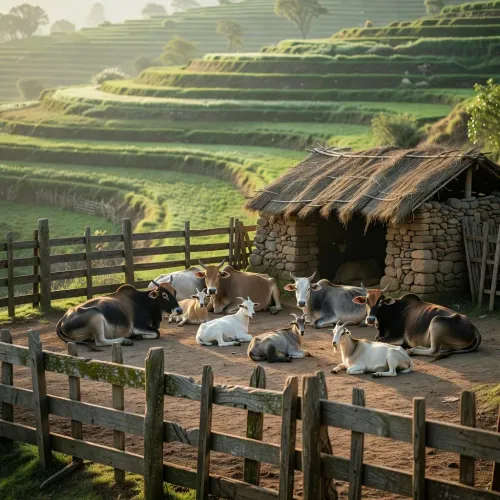
The primary beneficiaries of such interventions are rural livestock-owning households across Himachal Pradesh's hill districts — a demographic that depends on cattle, sheep, and goats not just for income but for nutrition and agricultural labour. Thousands of such families were affected by successive disaster events, and any delay in compensation can push them into debt or force distress migration. Broader stakeholders include district veterinary departments, which assess livestock losses; gram panchayats, which facilitate beneficiary identification; and state finance authorities, which must balance disaster outlays against other budget commitments. Timely livestock restocking and linkage to state animal husbandry insurance schemes are seen as essential complements to one-time compensation.What's Next
With the 2026 monsoon season already underway, attention will now turn to whether Himachal Pradesh's state budget for 2026-27 carries enhanced allocations for disaster management and revised livestock insurance guidelines. The government's public communication on past relief efforts also signals a political intent to demonstrate accountability ahead of the next round of weather-related stress. Analysts watching the state's fiscal health will track how the administration balances continued relief commitments with capital expenditure on disaster-resilient rural infrastructure.Point of View
Where animal ownership is both an economic and cultural marker. By invoking the hardship narrative and the government's response in a single breath, the communication seeks to pre-empt criticism while building a record of accountability. The broader pattern across Himalayan states shows that governments that communicate relief delivery clearly tend to manage post-disaster political fallout more effectively than those that do not.
NationPress
5 Oct 2026
Frequently Asked Questions
What did the Himachal Pradesh government do for families who lost livestock in disasters?
The state government disbursed compensation through the State Disaster Response Fund and National Disaster Response Fund, with district administrations verifying losses and transferring ex-gratia payments to affected rural households.
Which disasters affected livestock in Himachal Pradesh?
The 2023 monsoon season brought severe floods and landslides across multiple Himachal Pradesh districts, destroying livestock and livelihoods for thousands of hill farming families.
Who is the Chief Minister of Himachal Pradesh in 2026?
Sukhvinder Singh Sukhu is the Chief Minister of Himachal Pradesh, having assumed office in December 2022.
What is the SDRF and how does it help disaster victims in Himachal Pradesh?
The State Disaster Response Fund (SDRF) is a state-managed fund used to pay compensation for losses including livestock, homes, and crops. Himachal Pradesh has revised its SDRF norms after successive monsoon disasters to raise payout rates for milch animals and draught cattle.
What should Himachal Pradesh livestock owners do after a disaster?
Affected livestock owners should contact their district administration or gram panchayat to register losses, as these bodies facilitate verification and disbursement of compensation under SDRF and NDRF norms.