HP Govt Raises Disaster Compensation for First Time in State History
Synopsis
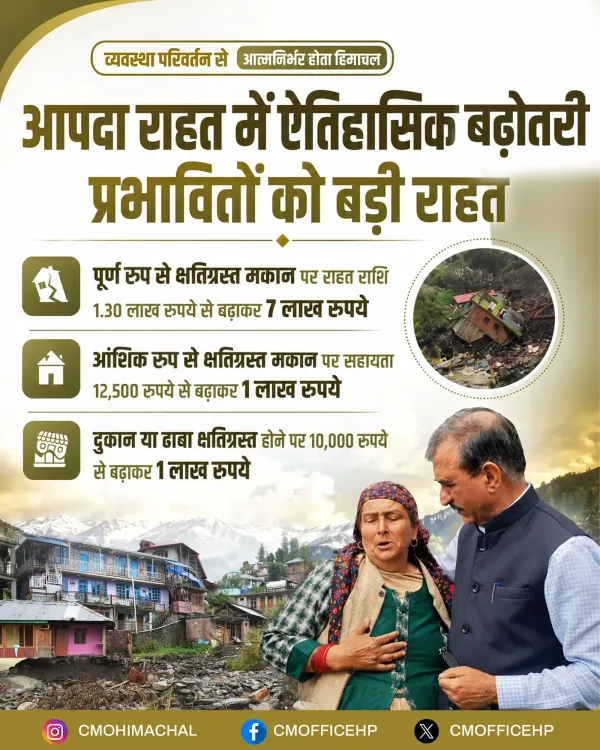
The Himachal Pradesh government has, for the first time in state history, amended its disaster relief rules to raise compensation for families whose homes were damaged or destroyed by floods and landslides, the Chief Minister's Office announced on 2 July 2026.
Key Takeaways
The Chief Minister's Office of Himachal Pradesh announced on 2 July 2026 that disaster compensation rules have been revised.
This is described as the first time in Himachal Pradesh's history that the government has amended rules to increase the compensation amount for disaster-affected families.
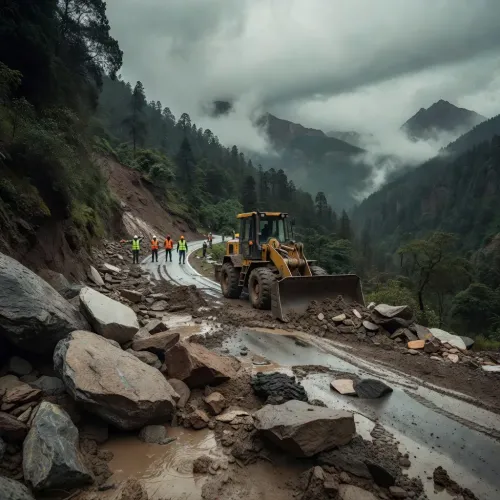
The revision is framed as a direct response to the suffering of families who lost homes to floods, landslides, and cloudbursts .
Relief in Himachal Pradesh is disbursed through the State Disaster Response Fund (SDRF) , established under the Disaster Management Act, 2005 .
District-level rollout and the speed of actual disbursal to affected families will be the key measure of the policy's real impact.
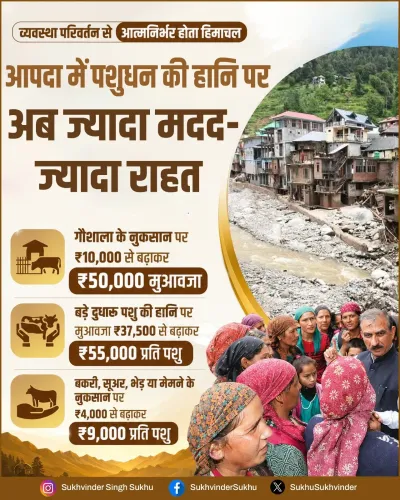
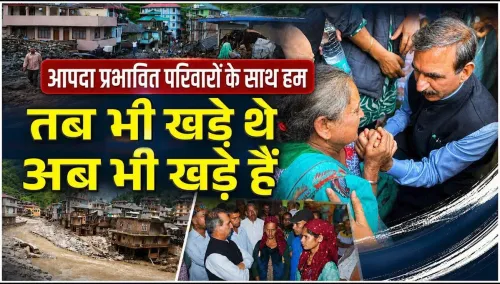
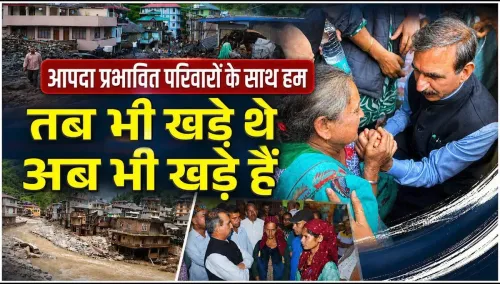
The Chief Minister's Office of Himachal Pradesh announced on Thursday, 2 July 2026 that the state government has revised its disaster compensation rules, raising relief amounts for families whose homes have been damaged or destroyed — marking the first such revision in the state's history. The announcement, made via the official CMO account on X, frames the move as a direct response to the suffering of disaster-affected families across the Himalayan state.
The post, in Hindi, states: 'Aapdaa-prabhavit parivaron ke dard ko humne apna maana hai' ('We have made the pain of disaster-affected families our own'). It adds that the government has 'left no stone unturned' in rebuilding broken homes and restoring shattered spirits, and that — for the first time in Himachal Pradesh's history — the administration has amended its rules to increase the compensation amount.
Context
Himachal Pradesh is among India's most disaster-vulnerable states, situated in the western Himalayas and recurrently battered by monsoon floods, cloudbursts, and landslides. Each monsoon season brings fresh waves of housing destruction, particularly in hill districts where terrain amplifies the impact of extreme rainfall. Affected families have long depended on state relief to rebuild.
Relief for such families is governed by the State Disaster Response Fund (SDRF), a mechanism established under the Disaster Management Act, 2005. Compensation ceilings under this framework are periodically revised by the Ministry of Home Affairs, with states retaining the authority to amend their own revenue and relief rules within those ceilings.
Policy Backdrop
Since 2010, successive revisions to SDRF norms have guided ex-gratia and housing assistance amounts across Indian states. However, Himalayan states — which face disproportionately high disaster frequency — have often argued that centrally prescribed ceilings fail to reflect actual reconstruction costs in mountainous terrain, where material and labour costs are significantly higher than in plains districts.
The Government of Himachal Pradesh's decision to amend its own rules to raise compensation represents a state-level initiative within this broader framework. The CMO's emphasis on the move being a 'first in the state's history' signals that previous administrations had not altered the compensation structure despite repeated disaster cycles.
Stakeholders and Impact
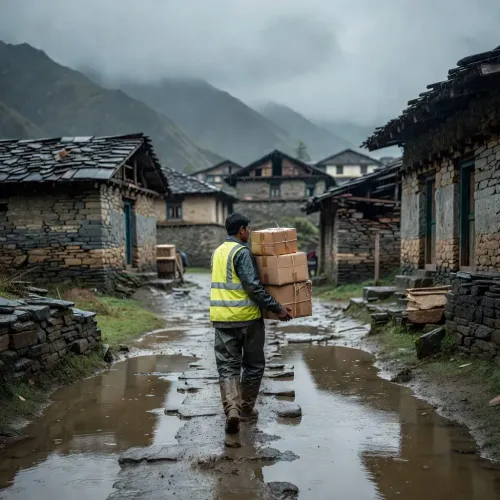
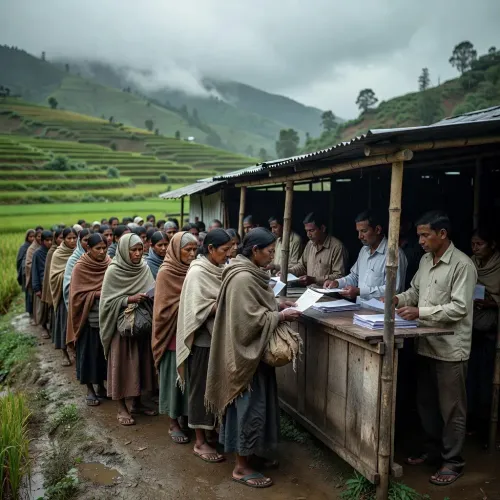
The primary beneficiaries are disaster-affected families who have suffered partial or complete loss of their homes due to floods, landslides, and cloudbursts in recent monsoon seasons. For these households — many of them in rural, remote hill areas — government compensation is often the only structured source of rebuilding support, given limited insurance penetration in the region.
District revenue departments and relief officers will be responsible for implementing the revised norms on the ground. The change in rules also has implications for the speed of assessment and disbursal, which has historically been a source of grievance among affected communities who face delays in receiving funds.
What's Next
The critical test will be the district-level rollout of the revised compensation rules during the ongoing and upcoming monsoon season. Civil society groups and opposition parties are likely to scrutinise both the quantum of the increase and the pace of actual disbursal to affected families.
The state may also approach the central government for supplementary assistance from the National Disaster Response Fund (NDRF) if monsoon damage this year exceeds state resources. How swiftly the revised rules translate into funds reaching families on the ground will determine the real-world impact of this policy change.
Point of View
' the CMO is simultaneously signalling administrative responsiveness and building a welfare narrative. This fits a broader pattern among Himalayan state governments of using disaster relief policy as a visible governance marker, particularly as climate-driven extreme weather events grow more frequent and politically salient. The real measure of the announcement's impact, however, will lie not in the rule change itself but in how quickly and equitably revised funds reach families on the ground.
NationPress
1 Oct 2026
Frequently Asked Questions
Has Himachal Pradesh increased disaster compensation before?
According to the Chief Minister's Office, this is the first time in Himachal Pradesh's history that the government has amended its rules to increase the disaster compensation amount for affected families.
What is the State Disaster Response Fund (SDRF)?
The SDRF is a state-level relief mechanism established under the Disaster Management Act, 2005. It is used to provide ex-gratia payments and housing assistance to families affected by floods, landslides, and other natural disasters.
Who will benefit from Himachal Pradesh's revised disaster compensation rules?
Families whose homes have been partially or fully damaged by natural disasters such as floods, cloudbursts, and landslides in Himachal Pradesh are the primary beneficiaries of the revised compensation norms.
What disasters most commonly affect Himachal Pradesh?
Himachal Pradesh is regularly impacted by monsoon-season floods, landslides, and cloudbursts due to its mountainous terrain. These events frequently cause widespread housing damage, particularly in rural hill districts.
How is disaster compensation disbursed in Himachal Pradesh?
Compensation is assessed and disbursed through district revenue departments under the State Disaster Response Fund framework, though delays in assessment and fund release have historically been a concern for affected communities.