CM Sukhu: Himachal Will Emerge From This Difficult Time
Synopsis
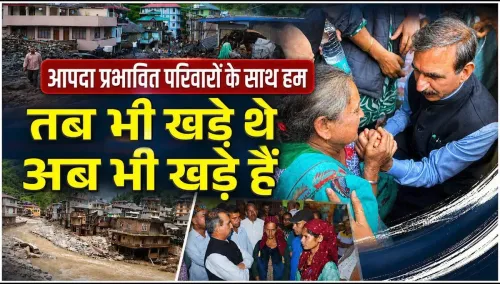
Chief Minister Sukhvinder Singh Sukhu, through the official HP CMO account on 26 July 2026, posted a Hindi message of solidarity — 'we will come out of this difficult time together' — signalling the state government's resolve amid an ongoing crisis in Himachal Pradesh.
Key Takeaways
The Chief Minister's Office of Himachal Pradesh posted a solidarity message from CM Thakur Sukhvinder Singh Sukhu on 26 July 2026 .
CM Sukhu stated in Hindi: 'और इस कठिन समय से मिलकर बाहर निकलेंगे' — 'we will come out of this difficult time together.' The post was a reply, indicating it is part of an ongoing public communication thread from the CMO during an active crisis.
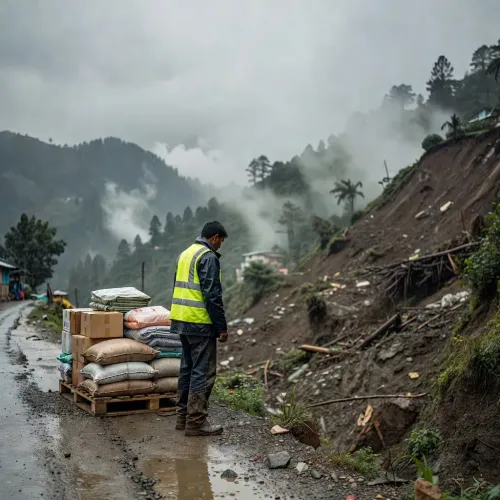
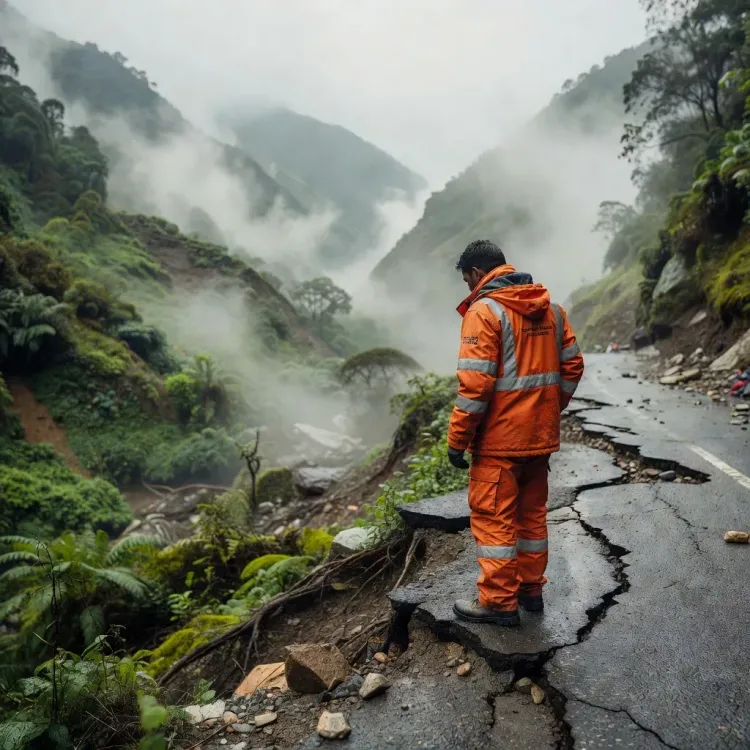
Himachal Pradesh is a Himalayan state highly vulnerable to monsoon-season disasters including cloudbursts, floods, and landslides.
CM Sukhu has led Himachal Pradesh under the Indian National Congress since December 2022 .
Follow-up announcements on relief operations and compensation disbursal are expected from the state government.
The Chief Minister's Office of Himachal Pradesh, on behalf of Chief Minister Thakur Sukhvinder Singh Sukhu, posted a message of solidarity on Sunday, 26 July 2026, affirming that the state would collectively overcome the prevailing crisis it faces.
The post carried a direct quote from CM Sukhu in Hindi: 'और इस कठिन समय से मिलकर बाहर निकलेंगे' — 'And we will come out of this difficult time together.' The statement, brief and resolute, was addressed as a reply, indicating it formed part of a broader communication thread from the Chief Minister's Office.
Context
Himachal Pradesh is among India's most disaster-prone Himalayan states, regularly battered by monsoon-season hazards including cloudbursts, flash floods, and landslides. The phrase 'kaThin samay' — 'difficult time' — is a recognisable signal in Indian political communication that the administration is acknowledging an active crisis and rallying public morale.
CM Sukhu, who has led the state since December 2022 under the Indian National Congress, has frequently had to navigate the state's recurring seasonal emergencies. His office's public messaging during such periods is a standard component of the government's crisis communication framework.
Policy Backdrop
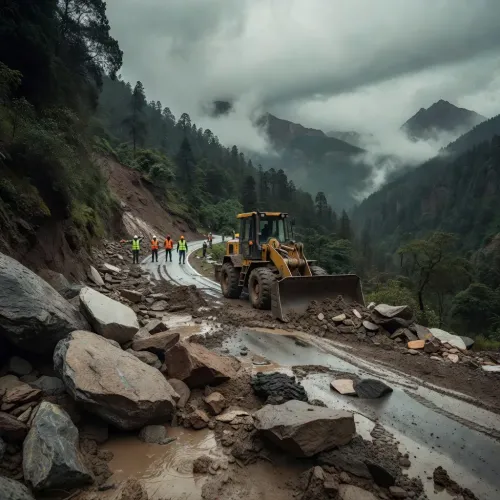
Himachal Pradesh governments across administrations have responded to monsoon disasters through a combination of immediate relief packages, ex-gratia compensation to affected families, and longer-term infrastructure rehabilitation. The state's hilly terrain makes road connectivity particularly vulnerable, often requiring rapid mobilisation of the National Disaster Response Force (NDRF) and State Disaster Response Force (SDRF).
Chief ministers in Indian states routinely issue solidarity statements during crises — both to maintain public confidence and to signal administrative readiness. Such messaging frequently precedes formal announcements on relief disbursal, compensation, or emergency assembly sessions.
Stakeholders and Impact
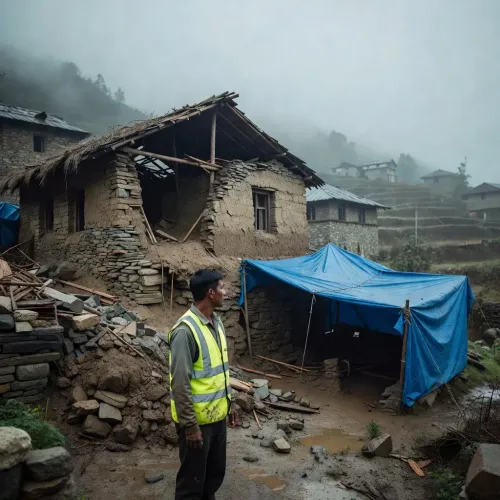
The primary stakeholders in any Himachal Pradesh crisis are the state's residents — particularly those in rural and semi-urban hill districts most exposed to monsoon hazards. Farmers, daily-wage labourers, and communities dependent on road connectivity for livelihoods bear the heaviest burden during disruptions.
The Chief Minister's direct public statement serves multiple audiences: citizens seeking reassurance, district administrations awaiting direction, and the broader national audience monitoring the state's situation. The use of Hindi — the dominant language of communication in the state — ensures the message reaches the widest local audience.
What's Next
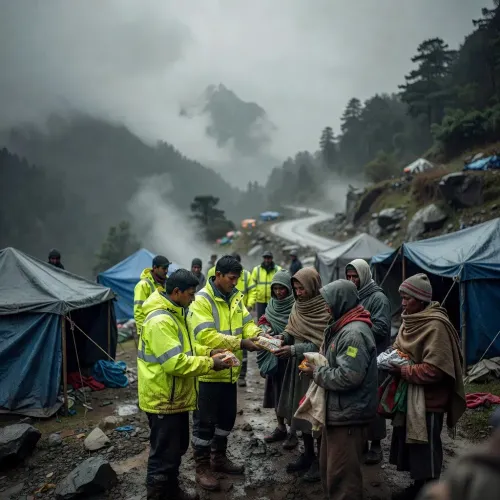
Following such solidarity statements, the standard administrative sequence in Himachal Pradesh includes formal damage assessments, disbursement of relief funds to affected households, and review meetings chaired by the Chief Minister or senior officials. Observers will watch for follow-up announcements on compensation packages, restoration of road and power infrastructure, and any special legislative or budgetary measures to address the crisis.
CM Sukhu's message, while concise, sets the tone for the government's public posture — one of collective resolve — as the state navigates what it has characterised as a 'difficult time.'
Point of View
Reassuring, and collective in framing. The choice of Hindi and the reply format suggests the CMO is actively engaging with a public conversation already underway, rather than issuing a standalone statement. For a Congress government in a state that frequently battles monsoon devastation, visible solidarity messaging is as much about administrative signalling as it is about political optics. The real test, as always, will be the speed and scale of relief that follows the words.
NationPress
25 Oct 2026
Frequently Asked Questions
What did CM Sukhu say about the difficult time in Himachal Pradesh?
CM Sukhvinder Singh Sukhu said, through the official Chief Minister's Office account on 26 July 2026, that Himachal Pradesh will collectively come out of this difficult time — in his words, 'और इस कठिन समय से मिलकर बाहर निकलेंगे' ('we will come out of this difficult time together').
What crisis is Himachal Pradesh facing in July 2026?
The Chief Minister's Office referenced a 'difficult time' in Himachal Pradesh, consistent with the state's recurring monsoon-season challenges such as cloudbursts, flash floods, and landslides, though specific details of the July 2026 event are part of the ongoing situation.
Who is the Chief Minister of Himachal Pradesh?
Thakur Sukhvinder Singh Sukhu of the Indian National Congress is the Chief Minister of Himachal Pradesh, in office since December 2022, representing the Nadaun assembly constituency.
How does Himachal Pradesh government respond to monsoon disasters?
The Himachal Pradesh government typically responds through immediate relief packages, ex-gratia compensation to affected families, NDRF and SDRF deployment, and infrastructure rehabilitation, often preceded by solidarity statements from the Chief Minister.
What should we expect next from the Himachal Pradesh government after CM Sukhu's statement?
Following such solidarity messaging, the standard sequence includes formal damage assessments, relief fund disbursal, and review meetings — observers will watch for official announcements on compensation and infrastructure restoration.