BRICS Parliamentary Forum 2024: Russia's Volodin arrives in New Delhi for 12th edition
Synopsis
Russia's State Duma Speaker Vyacheslav Volodin has landed in New Delhi for the 12th BRICS Parliamentary Forum — a two-day legislative summit at Samvidhan Sadan where PM Modi is set to meet visiting delegation heads. With suggestions from 18 countries and a Joint Statement in the works, India is using the forum to cement its role as a driver of parliamentary multilateralism, including new friendship groups with 64 nations.
Key Takeaways
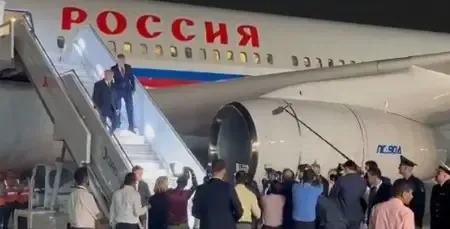
Vyacheslav Volodin , Chairman of Russia's State Duma , arrived in New Delhi on 25 October for the 12th BRICS Parliamentary Forum .
The forum runs on 26–27 October at the Central Hall of Samvidhan Sadan , hosted under India's BRICS chairship .
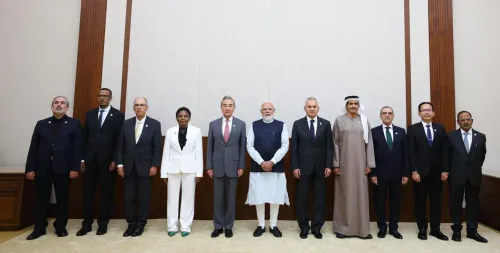
PM Narendra Modi is scheduled to attend and meet leaders of visiting delegations.
A preparatory meeting on 25 October is finalising the Joint Statement , with inputs from 18 countries .
India has launched Parliamentary Friendship Groups with 64 countries — described by Lok Sabha Speaker Om Birla as an unprecedented scale of parliamentary outreach.
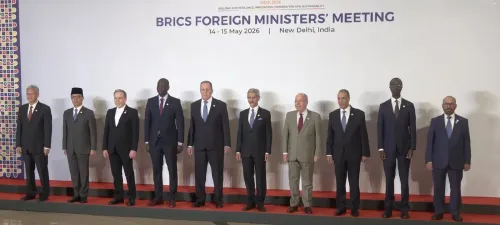
Vyacheslav Volodin, Chairman of the State Duma of the Russian Federation, arrived in New Delhi on 25 October to attend the 12th BRICS Parliamentary Forum, which India is hosting at the Central Hall of Samvidhan Sadan on 26–27 October. The forum, convened under India's chairship, will bring together presiding officers and parliamentary leaders from BRICS member and partner nations to deliberate on people-centric development and deeper parliamentary cooperation.
India Hosts a Landmark Parliamentary Gathering
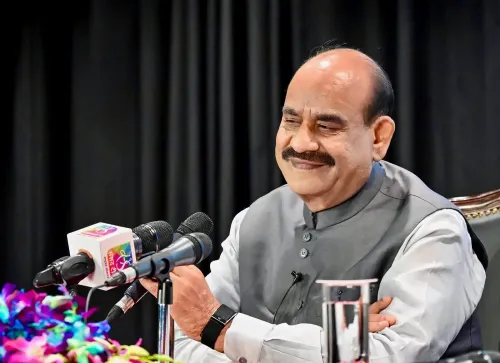
Lok Sabha Speaker Om Birla described the forum as 'a new chapter in the history of India's parliamentary diplomacy.' Addressing reporters at Parliament House, Birla said the event would be attended by Union Ministers, Deputy Chairman of the Rajya Sabha Harivansh, presiding officers of state legislatures, Members of Parliament, and other senior dignitaries from across the BRICS grouping.
The forum's overarching theme — 'Strengthening Parliaments for People-Centric Development' — will frame discussions on how legislative bodies can better serve citizens across the diverse BRICS membership, which has expanded significantly in recent years to include new partner nations.
PM Modi to Meet Visiting Delegation Leaders
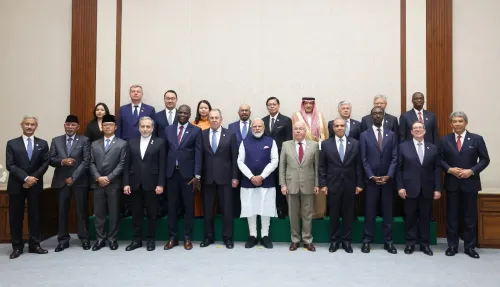
Prime Minister Narendra Modi is expected to attend the forum and hold separate meetings with the heads of visiting delegations, according to Birla. Such engagements are likely to carry diplomatic weight given the current global geopolitical climate, with Russia's Volodin's participation drawing particular attention amid the ongoing Russia-Ukraine conflict.
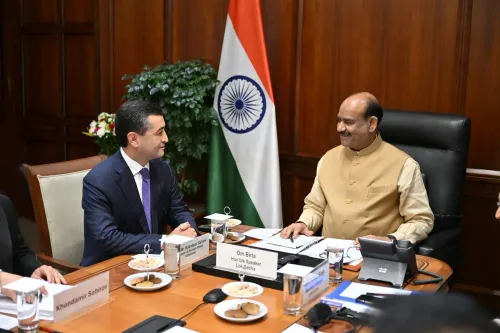
Bilateral and multilateral interactions between parliamentary leaders and parliamentary friendship groups are also scheduled on the sidelines, adding a layer of legislative diplomacy to the proceedings.
Joint Statement and Pre-Forum Preparations
A preparatory meeting of delegation secretaries was convened on 25 October to finalise the Joint Statement of the 12th BRICS Parliamentary Forum. According to Birla, suggestions had been received from 18 countries ahead of the drafting process, with discussions to proceed on that basis.
This preparatory step underscores the level of coordination involved in producing a consensus document across an increasingly diverse multilateral grouping.
India's Parliamentary Friendship Push
Birla also highlighted a new Indian initiative: the establishment of Parliamentary Friendship Groups with 64 countries. He called it the first time such a large-scale effort had been undertaken, noting that while earlier attempts were made, none reached this scale. India is reportedly continuing to expand these groups wherever bilateral parliamentary friendship forums already exist.
This initiative positions India as an active architect of parliamentary-level multilateralism — distinct from, but complementary to, executive-level diplomacy through summits and state visits.
What Comes Next
The forum's outcomes, including the Joint Statement, will be closely watched as a signal of where BRICS parliamentary consensus stands on development, multipolarity, and global governance reform. With the grouping's expanded membership and India at the helm, the 26–27 October sessions at Samvidhan Sadan could set the tone for BRICS legislative cooperation well into 2025.
Point of View
Alongside leaders from the expanded BRICS grouping, reflects its consistent 'strategic autonomy' posture. The forum's real test, however, is whether the Joint Statement — drawing from 18 countries with sharply divergent interests — produces anything beyond boilerplate consensus language. India's Parliamentary Friendship Groups initiative is genuinely novel in scale, but its impact will depend on whether these groups translate into legislative coordination or remain ceremonial.
NationPress
25 Oct 2026
Frequently Asked Questions
What is the 12th BRICS Parliamentary Forum?
The 12th BRICS Parliamentary Forum is a two-day legislative summit held on 26–27 October 2024 at the Central Hall of Samvidhan Sadan in New Delhi, hosted under India's BRICS chairship. It brings together presiding officers and parliamentary leaders from BRICS member and partner countries to discuss people-centric development and parliamentary cooperation.
Why has Russia's Vyacheslav Volodin come to India?
Vyacheslav Volodin, Chairman of Russia's State Duma, arrived in New Delhi on 25 October to participate in the 12th BRICS Parliamentary Forum. His attendance is part of the broader delegation of parliamentary leaders from BRICS nations gathering for the two-day event.
Will PM Modi attend the BRICS Parliamentary Forum?
Yes, Prime Minister Narendra Modi is scheduled to attend the forum and hold meetings with the heads of visiting delegations, according to Lok Sabha Speaker Om Birla. These interactions are expected to carry diplomatic significance given the geopolitical context.
What is India's Parliamentary Friendship Groups initiative?
India has established Parliamentary Friendship Groups with 64 countries — an initiative described by Lok Sabha Speaker Om Birla as the first of its scale. The groups aim to deepen legislative ties with nations where bilateral parliamentary friendship forums already exist, and India is continuing to expand them.
What is the theme of the 12th BRICS Parliamentary Forum?
The forum's central theme is 'Strengthening Parliaments for People-Centric Development.' Discussions will focus on how legislative bodies across BRICS member and partner nations can better serve their citizens and strengthen multilateral parliamentary cooperation.