Italy protests 2025: Clashes in Rome, Bologna, Turin over costs and arms spending
Synopsis
Italy's streets turned volatile on 25 October as protests over living costs and arms spending erupted simultaneously in Rome, Bologna, and Turin. With six hospitalised, water cannons deployed in Rome, and Interior Minister Piantedosi rushing reinforcements nationwide, the unrest signals a deepening public backlash against the Meloni government's defence and economic priorities.
Key Takeaways
Protests over rising living costs , military expansion , and arms spending hit multiple Italian cities on 25 October 2025 .
In Bologna , 6 people were hospitalised and emergency services received 17 calls for assistance.
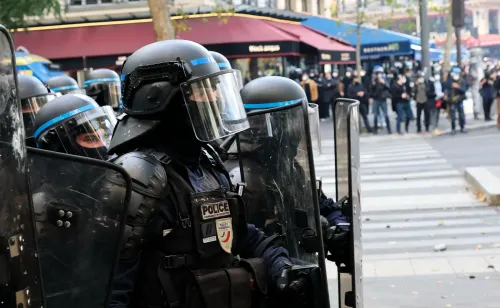
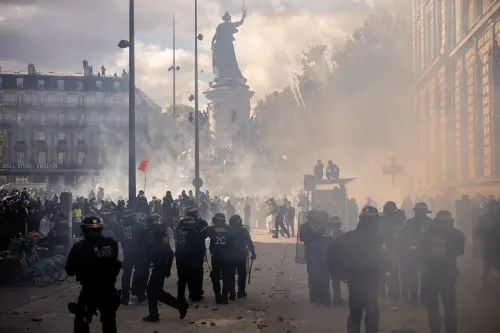
Police in Rome deployed water cannons and tear gas to disperse crowds near the city centre.
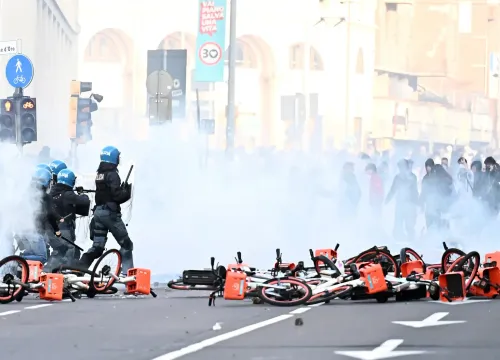
In Turin , protesters threw fireworks and bottles at officers, who responded with tear gas.
Interior Minister Matteo Piantedosi ordered additional police deployments across the country following riots and looting in Milan the previous weekend.
Prime Minister Giorgia Meloni condemned the violence, calling for safety of peaceful demonstrators and the wider public.
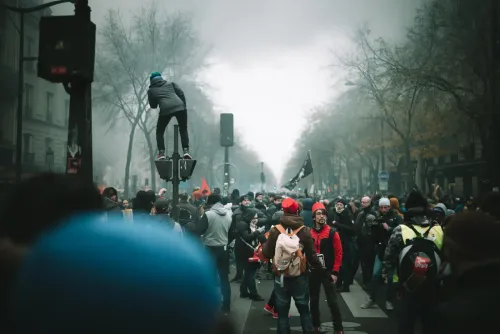
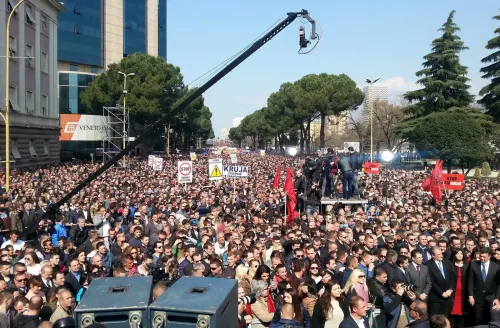
Widespread protests over rising living costs, military expansion, and increased arms spending swept through several Italian cities on Saturday, 25 October, with clashes between demonstrators and police reported across multiple locations, according to Italian media reports.
Key Developments Across Cities
In Bologna, confrontations broke out between protesters and police on Saturday evening, the Italian newspaper Corriere della Sera reported. Emergency medical services received 17 calls for assistance, and six people were taken to hospital by ambulance.
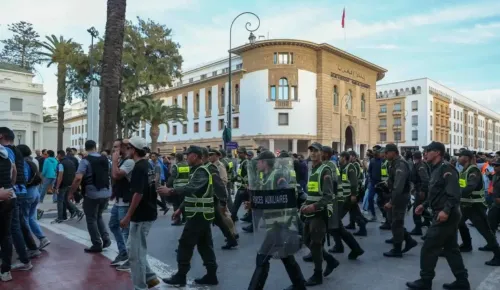
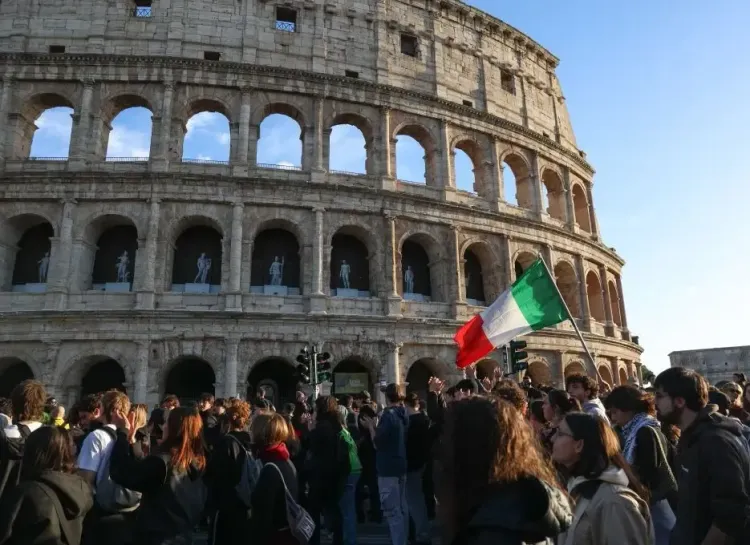
In Rome, demonstrators set off from Piazza della Repubblica on Saturday afternoon for an anti-war march. Clashes erupted in the city centre later that evening, prompting police to deploy water cannons and tear gas in an effort to disperse crowds, according to the ANSA news agency.
In Turin, protesters demonstrating primarily against increased military spending and rising fuel prices clashed with police on Saturday evening. Some in the crowd reportedly threw fireworks and bottles at officers, who responded with tear gas.
Government Response and Reinforcements
The unrest follows demonstrations that escalated into riots and looting the previous weekend, particularly in Milan. In response, Italian Interior Minister Matteo Piantedosi ordered additional police forces to be deployed across the country, with reinforcements concentrated in major cities where the largest rallies were anticipated.
Notably, the scale of the government's precautionary deployment signals official concern that the protests could intensify further, reflecting a pattern seen in other European nations grappling with similar cost-of-living pressures and public opposition to defence budget increases.
Prime Minister Meloni Condemns Violence
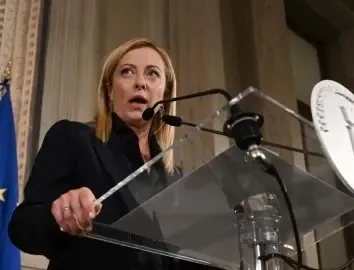
Italian Prime Minister Giorgia Meloni condemned the violence in a social media post on Saturday evening, drawing a clear line between peaceful protest and disorder. 'Everyone's safety must be guaranteed: those who wish to demonstrate peacefully, those who work, and those who want to live in their cities without fear,' she said. 'We must leave no room for those who seek nothing but confrontation and violence.'
Meloni's remarks reflect a broader political tightrope — acknowledging legitimate public grievance over living costs while defending Italy's commitments to NATO-aligned defence spending targets, which critics argue have come at the expense of household welfare.
Broader Context and What Comes Next
Italy has faced mounting public discontent over fuel price increases, inflation, and the government's stance on military expenditure, mirroring tensions seen across parts of Western Europe. The weekend's events mark a significant escalation in the frequency and intensity of street protests since last week's unrest in Milan.
Authorities are expected to maintain heightened security deployments in the coming days as organisers weigh further demonstrations. Whether the government will engage in dialogue with protest leaders or hold firm on its current policy course remains to be seen.
Point of View
Bologna, and Turin is not coincidental — it reflects a coordinated groundswell of discontent that the Meloni government has so far managed through security escalation rather than policy concession. Deploying water cannons and nationwide police reinforcements may contain the immediate disorder, but it does not address the underlying pressure on household budgets or the public's unease about rising defence commitments. Meloni's social media condemnation, while politically safe, sidesteps the harder question: whether Italy's alignment with NATO spending targets is sustainable without a credible social cushion. If last weekend's Milan riots were the warning shot, this weekend's multi-city flare-up suggests the fuse is still burning.
NationPress
25 Oct 2026
Frequently Asked Questions
Why are people protesting in Italy?
Demonstrators are protesting against rising living costs, increased military spending, and the government's stance on arms expansion. The unrest reflects broader public frustration with inflation, fuel prices, and Italy's defence budget commitments.
Where did the clashes occur on 25 October?
Clashes between protesters and police were reported in Rome, Bologna, and Turin on Saturday, 25 October. Rome saw water cannons and tear gas deployed, while Bologna recorded six hospitalisations and 17 emergency medical calls.
What did Prime Minister Giorgia Meloni say about the protests?
Meloni condemned the violence in a social media post on Saturday evening, stating that 'everyone's safety must be guaranteed' and that there must be 'no room for those who seek nothing but confrontation and violence.' She drew a distinction between peaceful demonstrators and those inciting disorder.
What action did the Italian government take in response?
Interior Minister Matteo Piantedosi ordered additional police forces to be deployed across the country, with a focus on major cities. The move followed riots and looting in Milan the previous weekend that prompted authorities to bolster security nationwide.
How serious was the unrest in Bologna?
In Bologna, emergency medical services received 17 calls for assistance and six people were taken to hospital by ambulance following clashes between demonstrators and police on Saturday evening, according to reports citing Italian newspaper Corriere della Sera.