CM Sukhu Pushes for Stronger Town Infrastructure in HP

Synopsis
Chief Minister Thakur Sukhvinder Singh Sukhu has reaffirmed the Himachal Pradesh government's commitment to strengthening roads, health, education, and drinking water in the state's towns, saying completion of these projects will improve public services and accelerate regional development.
Key Takeaways
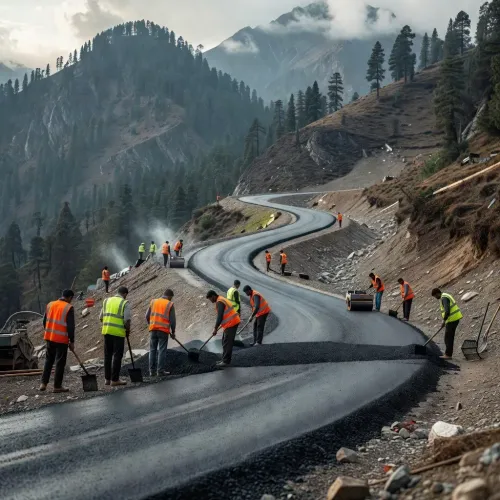
Chief Minister Thakur Sukhvinder Singh Sukhu has publicly committed to reinforcing five basic amenities — roads, health, education, drinking water, and other civic services — in Himachal Pradesh's towns.
The statement was posted by the Chief Minister's Office of Himachal Pradesh on 26 September 2026 .
Sukhu explicitly linked project completion to improved public conveniences and 'new momentum' for regional development.
Himachal's hill terrain makes infrastructure delivery structurally costlier and more complex than in plains states, giving these upgrades heightened significance.
The Sukhu government has highlighted town-level infrastructure as a priority since taking office in December 2022 .
The late-September timing aligns with typical mid-year budget utilisation and project-completion pushes in state administrations.
Roads, clean water, hospitals, and schools — Chief Minister Thakur Sukhvinder Singh Sukhu has spelt out a clear infrastructure mandate for Himachal Pradesh's smaller towns, promising that completing these foundational works will unlock better public services and a new pace of regional development.
Replying via the Chief Minister's Office of Himachal Pradesh on Saturday, 26 September 2026, Sukhu stated: 'कस्बों में सड़क, स्वास्थ्य, शिक्षा, पेयजल और अन्य मूलभूत सुविधाओं को और सुदृढ़ करना है' — 'Roads, health, education, drinking water and other basic amenities in towns must be further strengthened.' He added that once these works are complete, residents of the affected areas will gain better civic facilities and development in those regions will find new momentum.
The Gap That Hill Terrain Creates
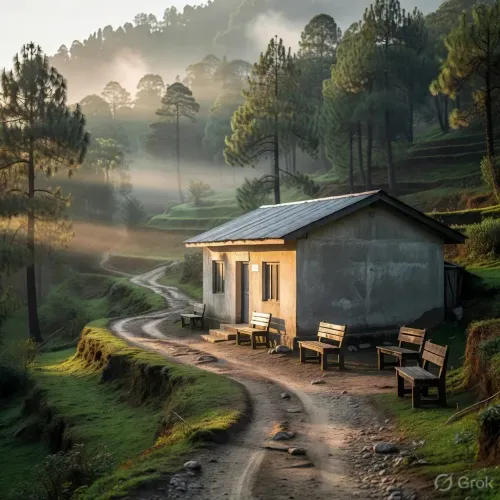
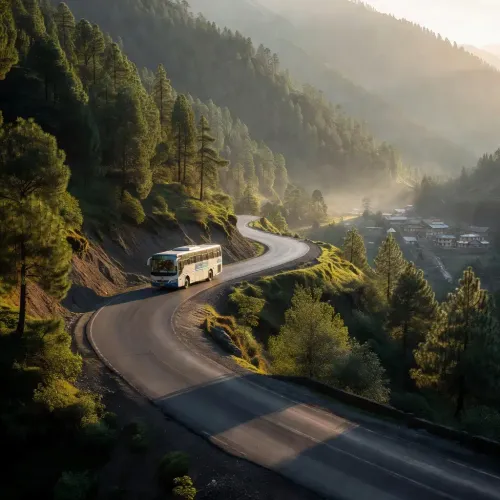
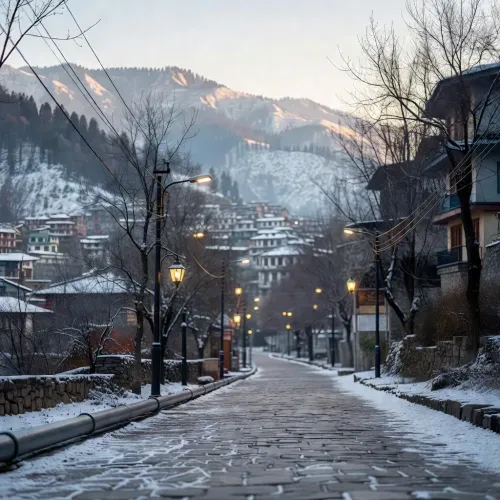
Himachal Pradesh's rugged geography has long made the delivery of basic services in smaller towns a persistent challenge. Connectivity gaps, altitude, and dispersed populations drive up the cost and complexity of infrastructure provision — making roads, water supply lines, and health facilities far harder to build and maintain here than in India's plains. Sukhu's government, in power since December 2022, has repeatedly flagged town-level infrastructure upgrades as a centrepiece of its development agenda precisely because of these structural disadvantages.
What 'Basic Amenities' Means on the Ground
The Chief Minister's statement names five specific pillars: roads, health, education, drinking water, and 'other basic amenities' — a shorthand that covers sanitation, electricity, and local connectivity. For residents of hill towns, the gap between an announced project and a functioning road or a staffed health centre can stretch across multiple budget cycles. Sukhu's framing — that completion of these works will deliver 'better public conveniences' — places accountability squarely on execution, not announcement. That is a subtle but meaningful shift in political messaging.
Why the Timing Signals Urgency
State governments typically accelerate infrastructure delivery reviews in the latter half of the financial year, when project timelines tighten and budget utilisation comes under scrutiny. A public reaffirmation of these priorities in late September 2026 suggests the administration is pressing departments to move stalled or slow-moving projects toward completion before the fiscal clock tightens further. For communities in Himachal's smaller towns, that administrative pressure — if it translates to site-level action — can mean the difference between another delayed winter and a functioning water connection before snowfall.
Himachal Pradesh has long been a test case for whether Indian hill states can close the service-delivery gap without the population density that makes infrastructure economically easy. Sukhu's reiteration of this five-point agenda is a reminder that the work is ongoing — and that the government knows it is being watched on delivery, not just intent.
Point of View
Ground-level delivery rather than large headline projects. By naming specific service categories — roads, health, education, drinking water — the Chief Minister is setting a measurable bar that can be cited in future electoral cycles. The emphasis on 'completion' rather than 'announcement' is a quiet acknowledgement that Himachal's development discourse has historically suffered from the gap between inauguration ceremonies and functional outcomes. If the administration backs this statement with verifiable project-completion data, it strengthens a credibility argument in a state where voter expectations on basic services remain high and unmet promises are quickly punished at the ballot box.
NationPress
26 Sept 2026
Frequently Asked Questions
What infrastructure did CM Sukhu promise to improve in Himachal Pradesh towns?
CM Sukhu committed to strengthening roads, health facilities, education, drinking water, and other basic civic amenities in Himachal Pradesh's towns, saying their completion will bring better public services and faster regional development.
When did Chief Minister Sukhvinder Singh Sukhu make this infrastructure statement?
The statement was posted by the Chief Minister's Office of Himachal Pradesh on Saturday, 26 September 2026 .
Why is basic infrastructure difficult to provide in Himachal Pradesh towns?
Himachal Pradesh's rugged hill terrain, high altitudes, and dispersed populations make building and maintaining roads, water supply lines, and health facilities significantly more expensive and complex than in India's plains states.
How long has the Sukhu government been in power in Himachal Pradesh?
Thakur Sukhvinder Singh Sukhu has been Chief Minister of Himachal Pradesh since December 2022 , when the Congress party came to power in the state.
What is the significance of CM Sukhu's focus on town-level development rather than large projects?
Targeting town-level infrastructure signals a focus on closing everyday service gaps that directly affect residents — clean water, accessible roads, functioning schools and clinics — rather than only pursuing high-visibility projects, which analysts see as a governance-credibility strategy ahead of future elections.