CM Sukhu flags project to boost urban appeal, ensure winter services
Synopsis
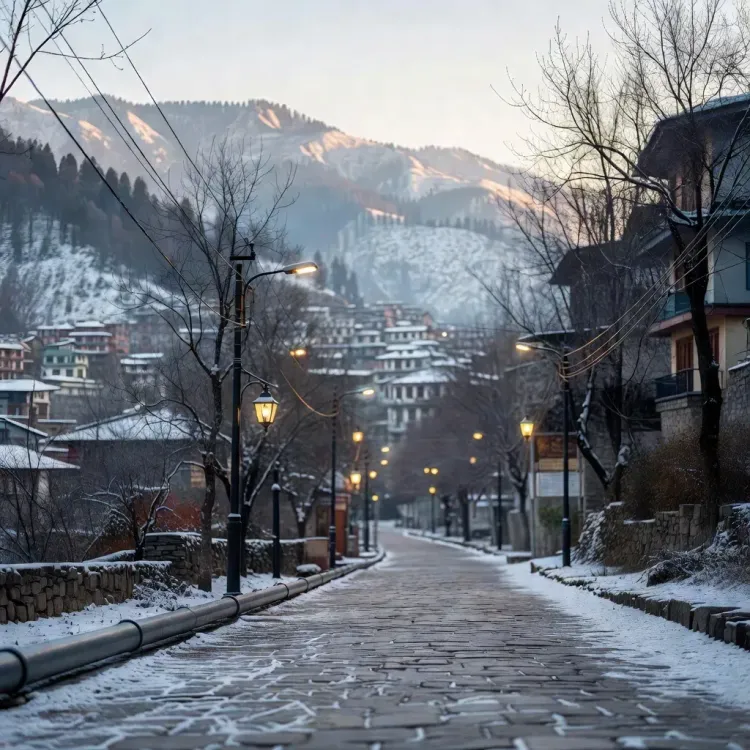
Chief Minister Thakur Sukhvinder Singh Sukhu has announced an infrastructure project for Himachal Pradesh that promises to enhance the urban experience of a Himalayan city while securing essential services against disruption during heavy snowfall and adverse winter weather.
Key Takeaways
CM Thakur Sukhvinder Singh Sukhu announced an infrastructure project on 8 June 2026 via the official Chief Minister's Office account.
The project is designed to provide an 'attractive city experience' to urban residents of Himachal Pradesh .
A key objective is ensuring uninterrupted essential services during heavy snowfall and adverse weather conditions.
Himachal Pradesh is a Himalayan state where winter disruptions to power, water, and connectivity are a recurring challenge.
The announcement aligns with a broader national focus on climate-adaptive urban planning in ecologically sensitive hill regions.
Project-specific details including location, budget, and timeline are yet to be made public.
The Chief Minister's Office of Himachal Pradesh shared remarks by Chief Minister Thakur Sukhvinder Singh Sukhu on Monday, 8 June 2026, highlighting an infrastructure project aimed at enhancing the urban experience of a Himachali city while guaranteeing uninterrupted essential services during heavy snowfall and adverse weather conditions.
Context
In his statement, CM Sukhu said the project would deliver 'aakarsak shahar ka anubhav' ('an attractive city experience') to residents. He further noted that it would play a 'crucial role in ensuring the uninterrupted availability of essential services during heavy snowfall and adverse weather.' The remarks were shared as a reply thread on the official CMO account, indicating the statement forms part of a broader announcement about the project.
Himachal Pradesh is a Himalayan state where winter snowfall routinely disrupts road connectivity, power supply, water distribution, and health services across dozens of towns and villages. Urban centres such as Shimla, Manali, Dharamshala, and Keylong have historically faced service breakdowns during peak winter months.
Policy Backdrop
Hill states across India have increasingly pursued dual-purpose urban infrastructure — projects that combine aesthetic city improvements with weather-resilient utility systems. This approach aligns with a broader national push for climate-adaptive city planning, particularly in ecologically sensitive Himalayan zones where the cost of service disruption falls disproportionately on vulnerable populations.
The Sukhu government, in office since December 2022, has positioned infrastructure modernisation as a pillar of its governance agenda, with emphasis on reducing the state's vulnerability to extreme weather events that have grown more frequent and severe in recent years. Budget allocations in recent state budgets have reflected a gradual increase in outlays for urban development and disaster-resilient infrastructure.
Stakeholders and Impact
Urban residents stand to benefit most directly — both through improved city aesthetics that could support local tourism and through more reliable access to water, power, and emergency services during winter. Municipal service providers and civic bodies responsible for maintenance would also see operational demands shift, requiring training and resource planning aligned with the new infrastructure.
For a state whose economy is significantly tied to tourism, the promise of an 'attractive city experience' carries commercial weight. A more visually appealing and functionally reliable urban environment can strengthen visitor confidence, particularly during the shoulder seasons around heavy snowfall periods.
What's Next
Observers will watch for the release of project-specific tender documents and budget line items in forthcoming state financial statements, which would confirm the scale, location, and timeline of the initiative. Winter performance reports on service continuity — particularly for power and water — will serve as the practical benchmark against which the project's success is measured.
If the project delivers on both its aesthetic and resilience promises, it could serve as a replicable model for other hill towns in Himachal Pradesh and neighbouring Himalayan states grappling with the same seasonal infrastructure challenges.
Point of View
Which makes the spending politically easier to defend. The absence of specific project details at announcement stage, however, leaves the claim open to scrutiny; the real test will come when tenders are floated and the first winter performance data is available. For the Sukhu administration, delivering on service continuity in even one major town before the next assembly cycle would be a tangible governance win.
NationPress
27 Oct 2026
Frequently Asked Questions
What did CM Sukhu announce about the Himachal Pradesh infrastructure project?
Chief Minister Thakur Sukhvinder Singh Sukhu announced an infrastructure project aimed at enhancing the urban experience of a Himachali city and ensuring uninterrupted essential services such as power and water during heavy snowfall and adverse weather.
Which city in Himachal Pradesh is this infrastructure project for?
The specific city or town has not been identified in the official statement. The CM's Office described the project's goals without naming the exact location, and further details are awaited.
How does Himachal Pradesh deal with service disruptions during heavy snowfall?
Himachal Pradesh has historically faced significant disruptions to road connectivity, power supply, and water distribution during peak winter months. The state has been investing in weather-resilient infrastructure to minimise these breakdowns in urban and semi-urban areas.
What is the Sukhu government's infrastructure policy for Himachal Pradesh?
The Sukhu government, in office since December 2022, has prioritised infrastructure modernisation with a focus on reducing vulnerability to extreme weather. This includes urban development projects and disaster-resilient utilities aligned with national climate-adaptive planning goals.
When will details of the Himachal Pradesh urban project be available?
Specific details including project name, location, budget allocation, and timeline have not yet been released. Observers expect tender documents and budget line items to be published in forthcoming state government announcements.