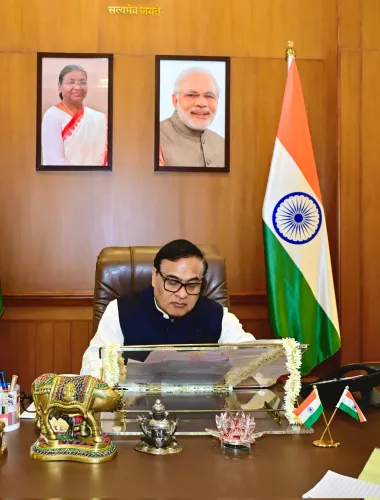
Assam targets 10 lakh MT paddy procurement annually: CM Himanta Sarma
Synopsis
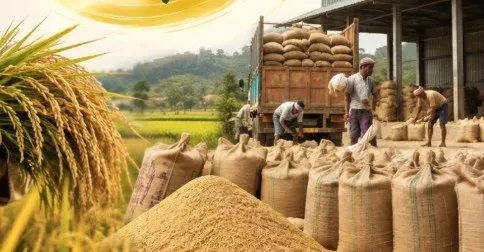
Assam has set its most ambitious paddy procurement target yet — 10 lakh MT annually at enhanced MSP — and has already secured over 2 lakh MT in just the first 100 days of the current government. If the state can scale its procurement infrastructure to match the goal, it could meaningfully shift income security for Assam's rice farmers.
Key Takeaways
Assam CM Himanta Biswa Sarma announced an annual paddy procurement target of 10 lakh MT on 24 August .
More than 2 lakh MT of paddy was procured directly from farmers within the government's first 100 days .
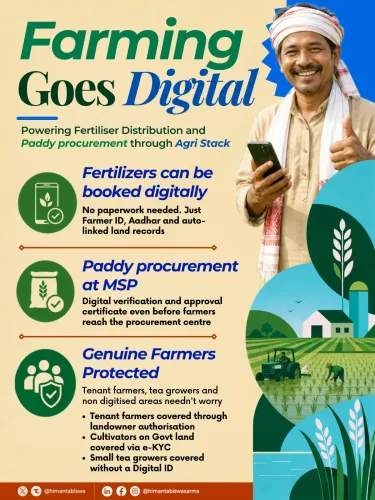
Procurement is conducted at enhanced Minimum Support Prices (MSP) , bypassing middlemen.
The initiative aims to reduce farmers' dependence on volatile private market prices.
The government plans to scale up procurement operations statewide to meet the full annual target.
Assam Chief Minister Himanta Biswa Sarma on Monday, 24 August announced that the state government has set an annual paddy procurement target of 10 lakh metric tonnes (MT), with cultivators assured of direct purchase at enhanced Minimum Support Prices (MSP). The announcement underscores the government's push to deepen agricultural market support across one of India's largest rice-producing states.
Procurement Milestone in First 100 Days
Sarma revealed that the state had already procured more than 2 lakh MT of paddy directly from farmers within the first 100 days of the current government's tenure. He described farmers as the state's 'Annadatas' — a term meaning providers of food — and called the early procurement figure a significant milestone toward the larger annual goal.
'In Assam, we set an ambitious target of procuring 10 lakh MT of paddy annually, ensuring our farmers benefit from assured procurement at enhanced MSPs,' Sarma said in a social media post.
Why Direct Procurement Matters
The direct-procurement model is designed to eliminate middlemen and ensure that cultivators receive the full benefit of the government-declared MSP, rather than being forced to sell at lower rates in open markets. This comes amid longstanding concerns in Assam's farming community about price volatility and lack of reliable buyers during harvest seasons.
Notably, Assam's agricultural economy is heavily dependent on paddy cultivation, with a large share of the rural population relying on rice farming as a primary livelihood. A government-backed assured-market mechanism, if scaled effectively, could provide meaningful income stability to smallholder farmers across the state.
Scale-Up and Broader Agricultural Push
The government is expected to expand procurement operations statewide to meet the 10 lakh MT annual target and widen farmer participation in the formal procurement process. Officials indicated the initiative is part of a broader strategy to strengthen the agricultural economy, improve rural incomes, and reduce cultivators' dependence on uncertain private market prices.
The 10 lakh MT target represents a significant scaling-up of state-backed paddy procurement in Assam compared to previous years, and is expected to bring a larger share of the farming community under the assured-pricing umbrella.
What Comes Next
With 2 lakh MT secured in the first 100 days, the government will need to sustain and accelerate procurement operations through the remaining agricultural cycles to hit the annual figure. Industry observers and farmer groups will be watching whether the procurement infrastructure — storage, logistics, and payment timelines — can keep pace with the expanded ambition.
Point of View
But the harder test is operational. Assam's past procurement cycles have been constrained by storage bottlenecks and delayed MSP payments — problems that a larger target will only amplify. Procuring 2 lakh MT in 100 days is a credible start, but it represents just one-fifth of the annual goal. Whether the state can build the warehouse capacity, payment infrastructure, and district-level outreach to sustain that pace across full harvest seasons remains the real question — and one the announcement does not yet answer.
NationPress
24 Aug 2026
Frequently Asked Questions
What is Assam's annual paddy procurement target?
Assam has set a target of procuring 10 lakh metric tonnes (MT) of paddy annually, with farmers receiving assured purchase at enhanced Minimum Support Prices (MSP). Chief Minister Himanta Biswa Sarma announced the target on 24 August.
How much paddy has Assam already procured?
The Assam government procured more than 2 lakh MT of paddy directly from farmers within the first 100 days of its tenure. CM Sarma cited this as a key milestone toward the larger annual goal.
What is the Minimum Support Price and how does it help farmers?
The Minimum Support Price (MSP) is a government-declared floor price at which the state agrees to buy agricultural produce directly from farmers. It protects cultivators from market price crashes and ensures a predictable income, particularly during bumper harvests when open-market prices tend to fall.
Why is direct procurement important for Assam farmers?
Direct procurement at MSP eliminates dependence on private traders and middlemen, ensuring farmers receive the full government-declared price for their paddy. In Assam, where a large share of the rural population depends on rice cultivation, price assurance can significantly stabilise household incomes.
What happens next for Assam's paddy procurement programme?
The government is expected to expand procurement operations across districts to meet the 10 lakh MT annual target. Farmer groups and agricultural observers will be monitoring whether storage, logistics, and payment infrastructure can scale to support the increased procurement ambition.