CM Himanta Opens Farmer Registration for Assam Tea Growers

Synopsis
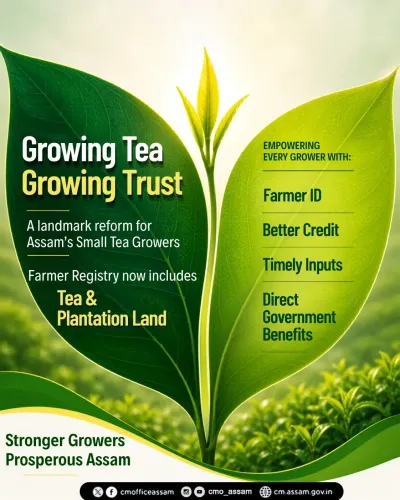
Assam Chief Minister Himanta Biswa Sarma announced on 3 July 2026 that small tea growers can now register as farmers, unlocking access to PM-KISAN income support, crop insurance, and state subsidies — a long-sought recognition for a community historically excluded from formal agricultural registries.
Key Takeaways
Assam CM Himanta Biswa Sarma announced on 3 July 2026 that small tea growers can now formally register as farmers.
Registration makes them eligible for central schemes including PM-KISAN , which provides Rs 6,000 annual income support to eligible farmer families.
Assam produces more than half of India's total tea output and has a large base of small and marginal tea growers.
Small tea growers were historically excluded from mainstream farmer registries due to land and crop classification issues.
The move is expected to also unlock access to crop insurance and state-level agricultural subsidies for this community.
Rollout of registration portals or camps and subsequent enrolment in welfare schemes will be the key metrics to watch.
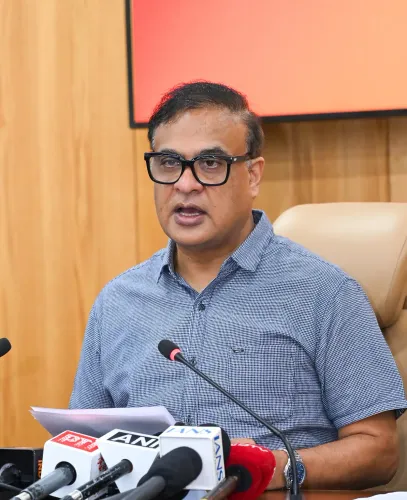
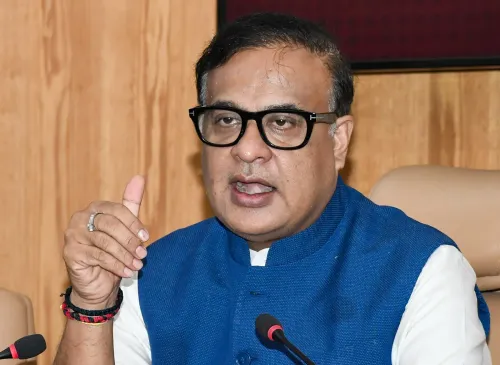
Assam Chief Minister Himanta Biswa Sarma announced on Friday, 3 July 2026 that small tea growers in the state can now register as farmers, making them eligible for a range of agricultural benefits that were previously out of reach for this community.
Context
Calling it 'a momentous day,' CM Sarma said the registration marks a significant shift in how the state recognises small tea growers within the formal agricultural ecosystem. For years, this community occupied an ambiguous position — cultivating tea on small plots yet excluded from mainstream farmer registries due to land classification and crop categorisation hurdles.
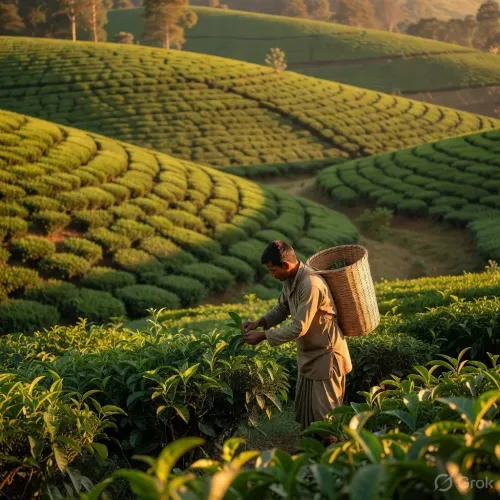
Assam is India's largest tea-producing state, accounting for more than half of national output. While large tea estates have long operated within a regulated framework, the state's vast base of small and marginal tea growers remained on the fringes of formal support systems.
Policy Backdrop
The exclusion of small tea growers from farmer registries had a cascading effect: it barred them from central welfare schemes such as PM-KISAN, which provides annual income support of Rs 6,000 to eligible landholding farmer families. Insurance programmes and state-level agricultural subsidies were similarly inaccessible.
The Tea Board of India, the statutory body under the Ministry of Commerce and Industry, has run targeted development and subsidy programmes for small growers since the early 2000s. However, the absence of formal farmer status meant many growers could not fully benefit even from these sector-specific interventions. State-level registration drives are designed to close that gap by anchoring small tea growers within the broader agricultural support architecture.
Stakeholders and Impact
Small tea growers constitute the majority of tea holdings in Assam by number, even if large estates dominate by volume. Their inclusion in farmer registries is expected to open doors to income support, crop insurance, and subsidised inputs — a material improvement for households that depend entirely on tea cultivation for their livelihoods.
This move also fits within the Sarma government's wider push to formalise and support the state's large marginal grower base within the tea economy. Formalisation enables better data collection on this segment, which in turn can inform more targeted policy interventions at both the state and central levels.
What's Next
Attention will now turn to the rollout of registration infrastructure — whether through an online portal, physical camps, or a combination of both — and the pace at which newly registered growers are enrolled in schemes like PM-KISAN and state tea development programmes. The effectiveness of this announcement will ultimately be measured by how many small tea growers successfully complete registration and begin receiving benefits in the months ahead.
Point of View
It is also a politically astute move ahead of any electoral cycle, given the numerical weight of tea-community voters across multiple constituencies in Assam. The real test lies in implementation: past announcements of this kind have often stalled at the registration infrastructure stage, leaving growers enrolled on paper but unreached in practice. If the state can demonstrate swift, verifiable enrolments and actual scheme disbursements, it would set a replicable model for other tea-growing states.
NationPress
2 Oct 2026
Frequently Asked Questions
Can small tea growers in Assam now register as farmers?
Yes. Assam Chief Minister Himanta Biswa Sarma announced on 3 July 2026 that small tea growers in the state are now eligible to register as farmers, enabling them to access a range of agricultural welfare benefits.
What benefits will small tea growers get after registering as farmers?
Once registered as farmers, small tea growers become eligible for central schemes such as PM-KISAN, which provides Rs 6,000 in annual income support, as well as crop insurance and state-level agricultural subsidies.
Why were small tea growers excluded from farmer registries earlier?
Small tea growers were historically excluded from mainstream agricultural registries due to ambiguities in land classification and crop categorisation rules, which meant they did not qualify as 'farmers' under existing definitions despite cultivating tea on their own land.
What is PM-KISAN and how does it help tea growers?
PM-KISAN is a central government scheme launched in 2019 that provides Rs 6,000 per year in direct income support to eligible landholding farmer families. Small tea growers registered as farmers can now apply to receive this benefit.
How many small tea growers are there in Assam?
While exact figures were not specified in the announcement, small tea growers constitute the majority of tea holdings in Assam by number. Assam accounts for more than half of India's national tea output, making this a significant community within the state's agricultural economy.