Has the Assam CM's Decision to Reserve Jobs for the Tea Garden Community Secured Their Future?

Synopsis
Assam's CM Himanta Biswa Sarma declares that the introduction of a three per cent reservation for the tea garden community in government jobs is a transformative step towards securing their future. This initiative, along with land rights legislation, marks a historic moment for the community.
Key Takeaways
Three per cent reservation in government jobs for tea garden community.
Distribution of 5,500 appointment letters .
Historic land rights for 300,000 tea garden workers .
Legal recognition of land ownership.
Support for education through MBBS seat reservations.
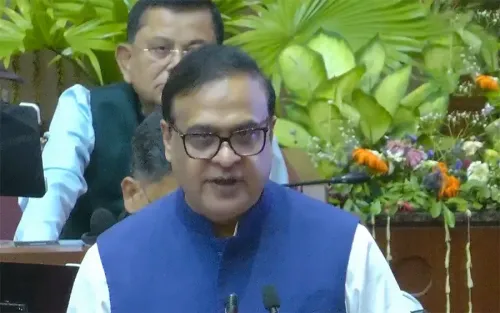
Guwahati, Dec 18 (NationPress) Assam's Chief Minister Himanta Biswa Sarma emphasized on Thursday that the introduction of a three per cent reservation for the tea garden community in government employment has paved the way for their future.
According to CM Sarma, this reservation signifies more than just a statistic for the Tea Tribe community; it represents opportunity, dignity, and a future rooted in fairness.
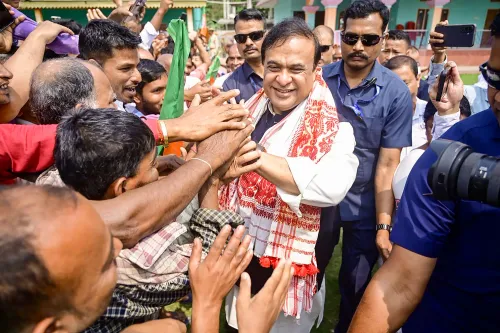
“Today, numerous families are experiencing a newfound sense of dignity, opportunity, and fresh beginnings,” he stated.
Recently, the state government distributed approximately 5,500 appointment letters to successful applicants for various government roles, which included the three per cent reservation for the tea garden community. The Chief Minister remarked that this initiative offers a significant opportunity for the community's members, enabling them to lead dignified lives while contributing to the state.
He noted the joy among those who have secured positions due to these efforts by the current administration.
Significantly, last month, the Assam Legislative Assembly took a monumental step in addressing historical injustices by passing the Assam Fixation of Ceiling on Land Holdings (Amendment) Bill, 2025, which aims to grant land rights to nearly 300,000 tea garden workers for the first time in Assam's history.
Chief Minister Sarma highlighted that this amendment would provide dignity, stability, and much-needed security to generations of tea garden families who have lived without legal ownership of their land.
Under the revised provisions, land pattas will be issued to the workers for the plots they currently occupy, officially recognizing their rights to shelter and livelihood.
To protect the beneficiaries' interests and prevent distress sales or exploitation, the Chief Minister stated that the assigned land cannot be sold for a duration of 20 years.
Even after this lock-in period, any transfer of land will be permissible only within the same community, ensuring that the advantages of this reform remain with the tea garden workers.
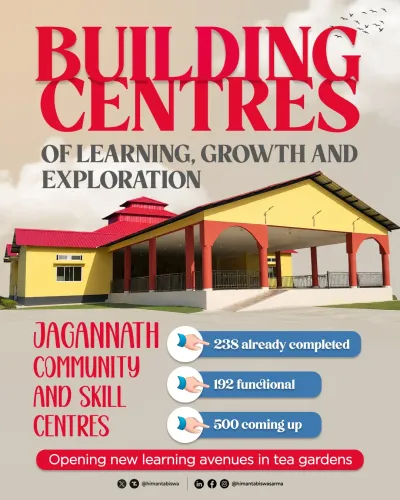
In addition to this, CM Sarma also pointed out other initiatives aimed at uplifting the tea community, such as the reservation of MBBS seats for students from this community as another significant intervention.
Point of View
It is imperative to acknowledge that the measures taken by the Assam government reflect a significant commitment to social justice. The reservation for the tea garden community and the allocation of land rights signal a progressive approach to addressing long-standing inequities. This is a crucial moment for the community, promising a dignified future.
NationPress
2 Oct 2026
Frequently Asked Questions
What is the significance of the three per cent reservation for the tea garden community?
The three per cent reservation provides opportunities for employment in government jobs, enhancing dignity and ensuring a secured future for the tea garden community.
How many appointment letters were distributed recently?
Approximately 5,500 appointment letters were handed out to successful candidates, which included those from the tea garden community.
What historical legislation was passed recently for tea garden workers?
The Assam Fixation of Ceiling on Land Holdings (Amendment) Bill, 2025 was passed, granting land rights to nearly 300,000 tea garden workers.
How will the land rights affect tea garden workers?
The land rights will provide legal ownership and security, allowing workers to reside on their land without the fear of eviction or exploitation.
What other initiatives has the Assam government introduced for the tea community?
In addition to job reservations, the government has reserved MBBS seats for students from the tea garden community, further supporting their upliftment.