Australia probes flydubai FZ1073 incident over co-pilot's student visa link
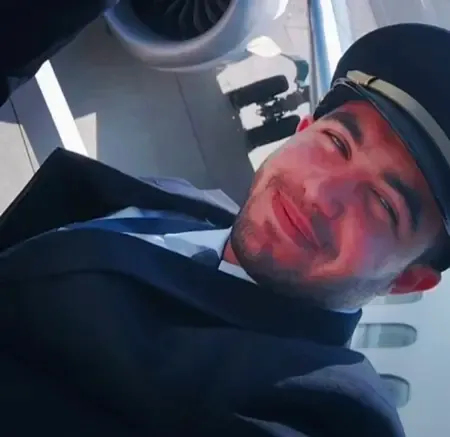
Synopsis
Australia is now probing flydubai co-pilot Hamam al-Hammami's student visa history after he allegedly tried to crash flight FZ1073 with a crash axe — only to be stopped by Indian Captain Smit Machchhar, who saved 170 lives while badly injured. The UAE has called it a terrorist attack. The investigation is now a multi-country affair.
Key Takeaways
Australia has launched a probe into Hamam al-Hammami's student visa history after reports he lived in the country from 2015 to 2017 .
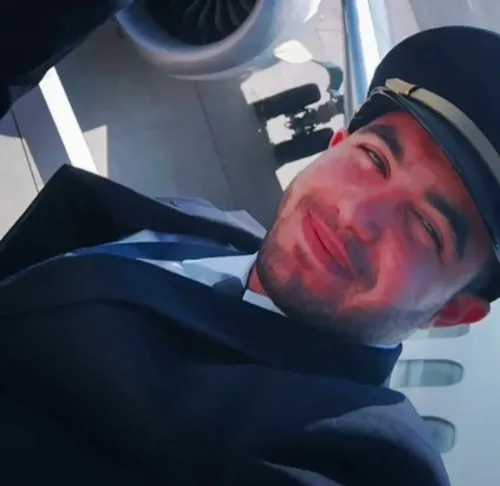
Al-Hammami, a 29-year-old Omani national, allegedly attacked Indian Captain Smit Machchhar with a cockpit crash axe aboard flydubai flight FZ1073 .
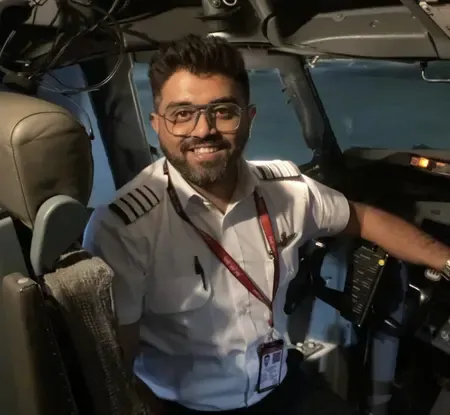
Captain Machchhar saved all 170 people on board despite being badly injured.
The UAE , leading the primary investigation, has classified the incident as a terrorist attack .
Israeli passengers who subdued al-Hammami refused crew demands to release him, triggering a confrontation mid-flight.
Al-Hammami's Australian student visa was cancelled in 2019 after he reportedly left the country in 2017.
Australia has launched a formal investigation into the flydubai flight FZ1073 cockpit attack after reports emerged that the alleged attacker — co-pilot Hamam al-Hammami, a 29-year-old Omani national — spent nearly two years in the country on a student visa. The probe adds an international dimension to an incident already classified as a 'terrorist attack' by the United Arab Emirates, which is leading the primary inquiry.
What Happened Aboard FZ1073
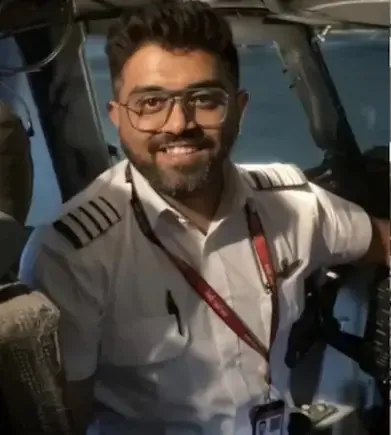
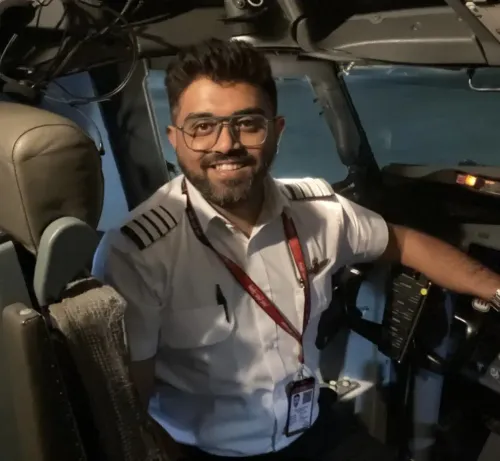
Indian captain Smit Machchhar was attacked inside the cockpit by al-Hammami using a cockpit crash axe during the Tel Aviv-bound flight, in what authorities have described as an alleged attempt to crash the aircraft. Despite sustaining serious injuries, Captain Machchhar managed to overpower the co-pilot, saving all 170 passengers and crew on board in what has widely been described as an act of exceptional courage.
Passengers — including a group of Israeli travellers — subsequently helped restrain al-Hammami. A video shared by i24NEWS, an Israel-based news channel, showed al-Hammami kneeling inside the aircraft with his hands tied behind his back, his clothes visibly bloodstained. Passengers could be heard repeatedly saying 'just police' and 'only police', indicating their intent to hand him over to law enforcement rather than take matters further.
Australia's Connection to the Co-Pilot
According to reports citing a source familiar with the case, al-Hammami was granted an Australian student visa in 2014 and arrived in the country the following year to begin a university engineering course. He reportedly left Australia in 2017, and his visa was subsequently cancelled in 2019 after authorities confirmed he was no longer enrolled. The specific university he attended has not been publicly identified, though multiple outlets cited his now-deleted LinkedIn profile as the basis for reports of his engineering studies.
Australia's investigation is focused on understanding the circumstances of al-Hammami's time in the country and whether any relevant information was missed during his student visa period.
Standoff Between Crew and Israeli Passengers
A tense confrontation reportedly broke out between the cabin crew and Israeli passengers after al-Hammami was subdued. According to reports citing the New York Post, crew members repeatedly asked passengers to release the restrained co-pilot — a demand the passengers refused.
Banking executive Tzvika Manes, one of three civilians who helped overpower the alleged would-be hijacker, said in an interview: 'They were asking us to untie the terrorist — we had no idea why.' Real estate professional Daniel Schlichter, seated in the second row near the cockpit, echoed the concern: 'They were saying to free the terrorist — we got instantly suspicious of them.' The standoff escalated into a verbal argument before passengers made clear they would not comply under any circumstances.
UAE Leads the Investigation, Calls It Terrorism
The United Arab Emirates has formally characterised the in-flight assault as a terrorist attack and is spearheading the primary investigation. The incident has drawn significant international attention given the profile of the flight route, the nationality of those involved, and the extraordinary actions of Captain Machchhar. Australia's parallel inquiry signals growing global scrutiny of how the co-pilot's background and movements may have gone undetected.
What Happens Next
With the UAE-led probe ongoing and Australia now examining its own visa records, the investigation into al-Hammami's background — including his academic history, personal connections, and possible radicalisation — is expected to span multiple jurisdictions. Captain Machchhar's role in averting a potential mass-casualty air disaster continues to draw recognition from aviation authorities and government officials across the region.
Point of View
Two years after he had already left, points to a reactive rather than proactive immigration-monitoring posture. Meanwhile, the mid-flight standoff between the cabin crew and Israeli passengers — in which crew reportedly demanded the restrained attacker be freed — introduces a separate thread of inquiry that neither the UAE nor any other authority has addressed publicly. That particular question, largely buried beneath the heroism narrative, deserves its own accounting.
NationPress
4 Oct 2026
Frequently Asked Questions
What happened on flydubai flight FZ1073?
Co-pilot Hamam al-Hammami allegedly attacked Indian Captain Smit Machchhar with a cockpit crash axe in an apparent attempt to crash the Tel Aviv-bound aircraft. Captain Machchhar overpowered him despite serious injuries, saving all 170 people on board. The UAE has classified the incident as a terrorist attack.
Why is Australia investigating the flydubai FZ1073 incident?
Australia launched a probe after reports emerged that al-Hammami held an Australian student visa from 2014 and lived in the country between 2015 and 2017. Authorities are examining whether anything was missed during his time there. His visa was cancelled in 2019 after he had already left.
Who is Captain Smit Machchhar?
Captain Smit Machchhar is the Indian pilot who commanded flydubai flight FZ1073. He was attacked in the cockpit by his co-pilot but managed to subdue the attacker and safely secure the aircraft, saving the 170 passengers and crew on board despite being badly injured.
Who is Hamam al-Hammami?
Hamam al-Hammami is a 29-year-old Omani national who was serving as co-pilot on flydubai flight FZ1073. He allegedly attacked the captain with a crash axe. He reportedly studied engineering at an Australian university and his now-deleted LinkedIn profile was cited by multiple outlets as the source of that information.
Why did Israeli passengers refuse to release the co-pilot after restraining him?
Israeli passengers who helped overpower al-Hammami refused crew demands to release him because they grew suspicious of the crew's motives. Banking executive Tzvika Manes said crew members were 'asking us to untie the terrorist — we had no idea why.' The passengers insisted on handing him over only to police authorities.