Ayushman Bharat covers thalassemia siblings in Jalna, eases family's burden
Synopsis
Two thalassemia-affected siblings in Jalna, Maharashtra, are receiving free blood transfusions every 21 days under the Ayushman Bharat PM-JAY scheme — a case that puts a human face on the Centre's flagship health cover and underscores the scheme's critical role for families managing chronic genetic disorders on tight budgets.
Key Takeaways
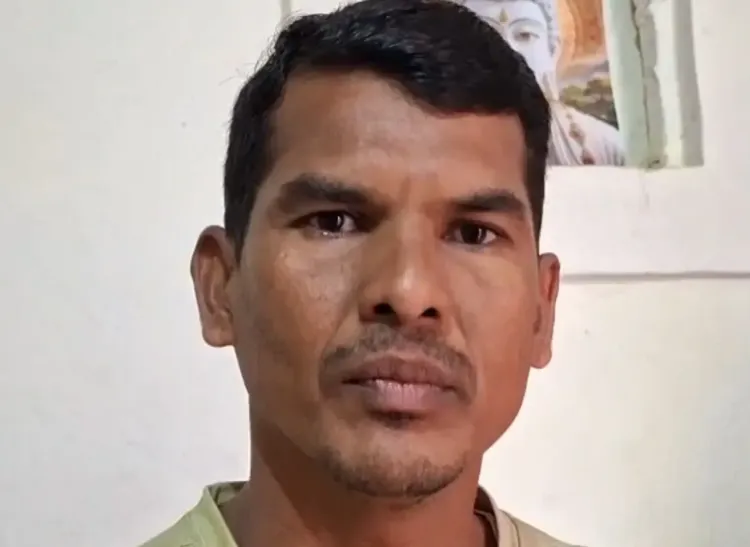
Sandeep Sable's two children — son Sambodhi and daughter Sanghpriya — both diagnosed with thalassemia, are receiving free treatment at Sanjivani Hospital, Jalna under AB PM-JAY .
Both children require blood transfusions approximately every 21 days , making continuous medical access essential.
The family had initially relied on personal savings before doctors informed them of Ayushman Bharat benefits.
Sanghpriya was diagnosed approximately four years after her brother Sambodhi, compounding the family's medical expenses.
PM-JAY provides health cover of up to ₹5 lakh per family per year for secondary and tertiary hospitalisation.
The Ayushman Bharat Pradhan Mantri Jan Arogya Yojana (AB PM-JAY) has provided critical relief to a family in Jalna district, Maharashtra, where two siblings diagnosed with thalassemia are now receiving free treatment at Sanjivani Hospital. The case highlights how the Centre's flagship health insurance scheme is reaching families for whom recurring medical costs had become financially untenable.
A Family's Struggle with a Genetic Blood Disorder
Sandeep Sable, a resident of the Nutan Vasahat locality in Jalna, first faced the diagnosis when his son Sambodhi began showing health complications at around one year of age. Medical tests confirmed thalassemia — a hereditary blood disorder that typically requires lifelong, regular blood transfusions. Sable initially funded treatment from personal savings, but the recurring costs mounted steadily, straining the family's finances.
Doctors at that stage apprised the family of the benefits available under the Ayushman Bharat scheme, and Sambodhi's treatment was subsequently enrolled and covered free of charge. The relief, however, was short-lived as a fresh challenge emerged approximately four years later, when their daughter Sanghpriya was also diagnosed with thalassemia.
Both Children Now Under Scheme Coverage
With two children requiring intensive medical care simultaneously, the family faced a compounded financial burden. Sanghpriya's treatment was subsequently brought under the AB PM-JAY umbrella as well. According to the family, both siblings require blood transfusions approximately every 21 days, making uninterrupted medical access a necessity rather than a choice.
Sable said the scheme had 'significantly reduced the family's financial burden and ensured that both children could continue receiving necessary treatment.' He expressed gratitude to Prime Minister Narendra Modi and the Central government for the support extended during what he described as a difficult period for the family.
A Call to Other Eligible Families
Sable also appealed to other families in similar circumstances to seek out information about the Ayushman Bharat scheme and register to avail its benefits. Thalassemia, being a chronic condition demanding repeated hospitalisation and transfusions, places a disproportionate burden on lower-income households — precisely the segment the scheme was designed to protect.
Scheme's Role in Chronic Disease Management
The Ayushman Bharat PM-JAY scheme, launched by the Centre, offers health cover of up to ₹5 lakh per family per year for secondary and tertiary hospitalisation. While the scheme is frequently cited in the context of surgical interventions, cases like the Sable family's underscore its relevance for chronic, long-duration illnesses that demand repeat hospital visits. This comes amid broader policy discussions on expanding the scheme's coverage categories and ensuring last-mile awareness in districts like Jalna. Going forward, wider outreach to eligible households in semi-urban and rural Maharashtra could determine how many more such families access timely care.
Point of View
The question is how many eligible thalassemia patients in Marathwada and similar semi-urban pockets are still paying out of pocket. The scheme's coverage architecture for chronic, repeat-visit conditions like thalassemia is also worth scrutinising — ₹5 lakh annual cover sounds substantial, but frequent transfusions can erode that ceiling faster than a single surgical episode. Awareness and adequacy of cover for chronic illness are the two accountability questions mainstream coverage tends to skip.
NationPress
19 Oct 2026
Frequently Asked Questions
What is the Ayushman Bharat PM-JAY scheme and what does it cover?
The Ayushman Bharat Pradhan Mantri Jan Arogya Yojana (AB PM-JAY) is a Central government health insurance scheme that provides cover of up to ₹5 lakh per family per year for secondary and tertiary hospitalisation. It is designed to protect economically vulnerable households from catastrophic medical expenditure, including for chronic conditions such as thalassemia.
How are the two thalassemia-affected siblings in Jalna being treated under the scheme?
Both siblings — Sambodhi and Sanghpriya, children of Jalna resident Sandeep Sable — are receiving free blood transfusions approximately every 21 days at Sanjivani Hospital under the Ayushman Bharat scheme. Their enrolment under the scheme eliminated the need for the family to fund repeated hospitalisations from personal savings.
What is thalassemia and why does it require ongoing treatment?
Thalassemia is a hereditary blood disorder in which the body produces abnormal haemoglobin, leading to chronic anaemia. Patients with severe forms typically require regular blood transfusions — in this case every 21 days — along with monitoring and supportive care, making it a lifelong and cost-intensive condition.
Who is eligible to benefit from the Ayushman Bharat PM-JAY scheme?
The scheme targets economically weaker sections of the population, with eligibility largely determined by Socio-Economic Caste Census (SECC) data. Families that qualify receive a health card enabling cashless treatment at empanelled public and private hospitals across India, including for chronic illnesses.
What did Sandeep Sable appeal to other families facing similar difficulties?
Sable urged other eligible families struggling with healthcare costs to seek information about the Ayushman Bharat scheme and register to avail its benefits. He noted that awareness about the scheme had been the key turning point for his own family's access to sustained, cost-free treatment.