Bageshwar women craft rakhis for border troops this Raksha Bandhan
Synopsis
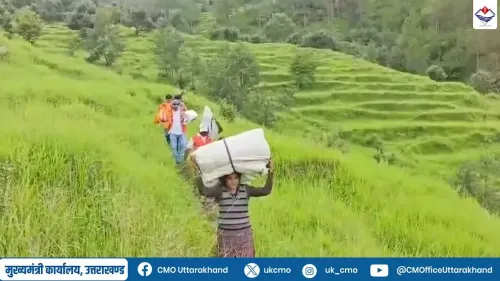
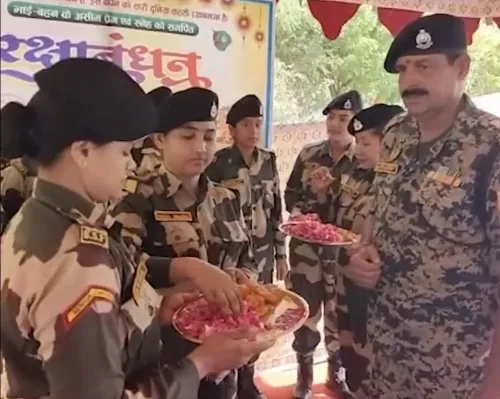
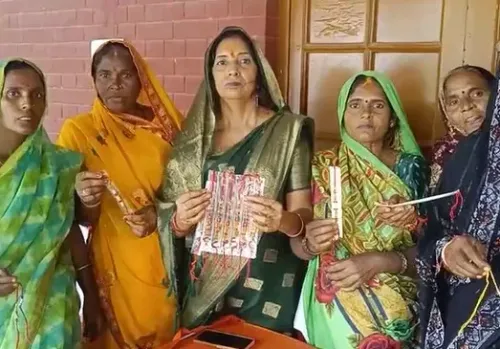
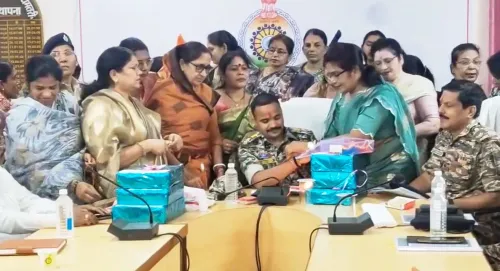
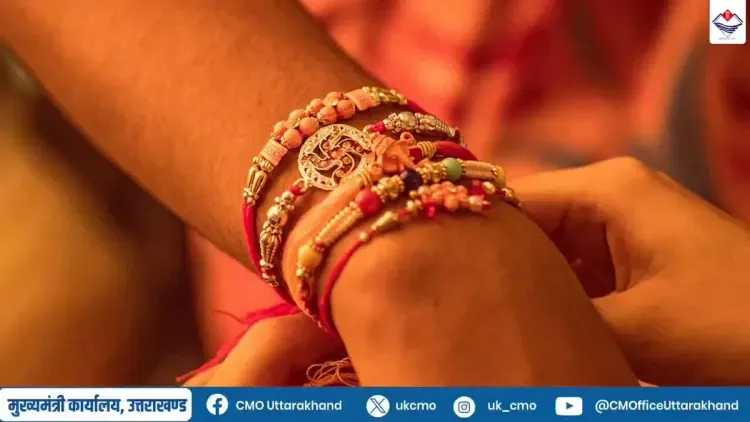
Women in Bageshwar district, Uttarakhand, are crafting rakhis for soldiers posted on India's borders ahead of Raksha Bandhan 2026, with the Chief Minister's Office highlighting the initiative as a patriotic blend of cultural tradition and national duty.
Key Takeaways
The Chief Minister's Office of Uttarakhand shared the initiative on 11 August 2026 .
Women in Bageshwar district , Kumaon division, are preparing rakhis specifically for soldiers guarding India's borders.
The drive frames Raksha Bandhan as a gesture of national solidarity, extending the brother-sister bond to deployed jawans.
Uttarakhand has a long tradition of civilian communities in border districts organising festival-linked support for armed forces personnel.
The rakhis are intended to reach border troops before the Raksha Bandhan 2026 festival in mid-August.
In the hill district of Bageshwar, Uttarakhand, women are weaving more than thread — they are stitching a message of devotion to the soldiers guarding India's frontiers this Raksha Bandhan. The Chief Minister's Office of Uttarakhand shared the initiative on Tuesday, 11 August 2026, calling it an inspiring example of linking the sacred brother-sister bond to love for the nation.
Rakhis as a message from the mountains to the border
The post, shared in Hindi, describes the preparations as 'rashtrabhakti ka sandesh' — a message of patriotism — connecting a deeply personal festival to the collective duty of protecting the country. Raksha Bandhan, the annual Hindu festival in which sisters tie protective threads on their brothers' wrists, carries a symbolic resonance that community groups in border states have long extended to soldiers far from home.
Bageshwar sits in Uttarakhand's Kumaon division, a region historically intertwined with India's armed forces. Uttarakhand as a whole contributes disproportionately to military recruitment relative to its population, and districts like Bageshwar maintain a lived, generational connection to border service.
A pattern rooted in Uttarakhand's border identity
This is not an isolated gesture. Uttarakhand's border districts have a documented tradition of civilian groups preparing festival tokens — rakhis, diyas, sweets — for deployed troops as organised expressions of solidarity. The state government's social media regularly amplifies such drives from across the hills, framing them as grassroots patriotism rather than top-down campaigns.
The timing matters: Raksha Bandhan 2026 falls in mid-August, and the rakhis being prepared in Bageshwar are intended to reach jawans stationed on the country's frontiers before the festival day. For soldiers posted far from family, receiving a rakhi from a stranger who chose to send one carries a weight that transcends the ritual.
When a hill district turns a domestic festival into a border salute, the thread being tied is not just cotton — it is continuity.
Point of View
The state government also deepens the civilian-military compact in a region where nearly every family has a connection to service. The broader pattern suggests this is part of an ongoing effort to institutionalise grassroots patriotism through festival calendars.
NationPress
11 Aug 2026
Frequently Asked Questions
Why are women in Bageshwar making rakhis for soldiers?
Women in Bageshwar, Uttarakhand are preparing rakhis to send to soldiers posted on India's borders as a gesture of patriotic solidarity ahead of Raksha Bandhan 2026, extending the festival's brother-sister bond to jawans far from their families.
What is Raksha Bandhan and why does it matter for border troops?
Raksha Bandhan is an annual Hindu festival where sisters tie protective threads called rakhis on their brothers' wrists. For border soldiers separated from family, receiving a rakhi from community members carries deep emotional significance.
Where is Bageshwar district located?
Bageshwar is a district in the Kumaon division of Uttarakhand, a Himalayan state that borders China and Nepal and contributes significantly to India's armed forces.
Is this a government scheme or a community initiative?
This appears to be a community-level initiative by local women in Bageshwar that the Uttarakhand Chief Minister's Office has highlighted on social media. Uttarakhand border districts have a tradition of such civilian-led festival drives for troops.
When is Raksha Bandhan 2026?
Raksha Bandhan 2026 falls in mid-August. The rakhis being prepared in Bageshwar are intended to reach border troops before the festival day.