Adani charges dismissed: US lawyer says case tried to regulate acts beyond US borders

Synopsis
A US attorney who analysed the Adani case says the DOJ was always on shaky ground — trying to prosecute conduct that occurred abroad and had no direct impact on American citizens. With charges dismissed with prejudice against Gautam Adani, Sagar Adani, and Vneet Jaain, and similar outcomes likely for remaining defendants, the episode is being framed as a cautionary tale about fringe enforcement cases that don't survive a change in administration.
Key Takeaways
US attorney Jim Walden described the Adani case as an attempt to regulate activity 'beyond US borders that didn't impact US citizens.' US District Judge Nicholas Garaufis dismissed — with prejudice — charges against Gautam Adani , Sagar Adani , and Vneet Jaain after the DOJ abandoned the prosecution.
Charges dismissed include securities fraud, wire fraud conspiracy, and securities fraud conspiracy; they cannot be refiled.
Walden said co-defendants with pending cases are likely to see the same outcome once the DOJ responds to the court's concerns.
He warned both Democrats and Republicans that fringe enforcement cases risk collapse when administrations change.
US-based attorney Jim Walden said on Tuesday, 11 August that the dismissal of criminal charges against Adani Group Chairman Gautam Adani and his nephew Sagar Adani by a US court was, while initially a formidable prosecution, ultimately an expected outcome given the jurisdictional overreach involved.
What Walden Said About the Dismissal
Walden characterised the case as an attempt by the US federal government to 'reach across the waters and in some ways regulate and enforce activity occurring beyond its borders that didn't impact US citizens.' He described this as 'always a tough place for the American government to be,' noting that perspectives on the outcome will vary.
On the role of the presiding judge, Walden noted that US District Judge Nicholas Garaufis was obligated to follow the prosecutor's request for dismissal, even if he had reservations. 'He was certainly no fan of the dismissal. But, at the end of the day, courts are courts of limited jurisdiction, and enforcement priorities change between administrations,' Walden said.
The Charges That Were Dropped
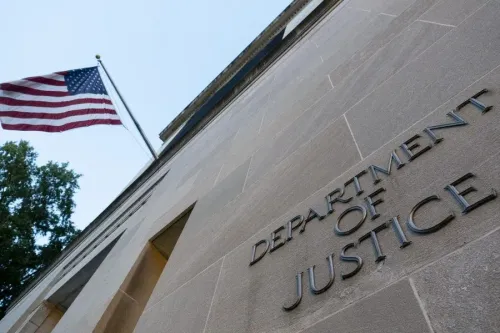
Judge Garaufis dismissed — with prejudice — charges of securities fraud, wire fraud conspiracy, and securities fraud conspiracy against Gautam Adani, Sagar Adani, and Vneet Jaain. A dismissal with prejudice means the charges cannot be refiled. The move came after the US Department of Justice (DOJ) abandoned its prosecution of the case.
Implications for Co-Defendants Still Facing Charges
Walden indicated that defendants whose cases remain pending will go through a process in which the DOJ responds to the court's concerns. 'At the end of that process, I'm sure the same result will happen for them,' he said, suggesting a similar dismissal is likely for the remaining accused.
A Warning for Both Parties
Walden drew a broader lesson from the episode, cautioning that cases brought 'at the fringes of enforcement' carry an inherent risk of collapse when a new administration takes office and resets prosecutorial priorities. 'Frankly, Democrats and Republicans should learn a lesson from that,' he said. This comes amid a wider pattern of the current US administration revisiting and withdrawing high-profile international enforcement actions initiated under its predecessor.
Point of View
No direct harm to American citizens — was always a jurisdictional gamble. That the case collapsed on prosecutorial withdrawal rather than on the merits is significant: it means no court ever ruled on the underlying allegations. For India-watchers, the episode underscores how US extraterritorial enforcement can become a political variable, subject to reset with each new administration, rather than a stable legal check on cross-border corporate conduct.
NationPress
26 Sept 2026
Frequently Asked Questions
Why were the criminal charges against Gautam Adani dismissed?
The charges were dismissed after the US Department of Justice abandoned the prosecution. US District Judge Nicholas Garaufis dismissed the case with prejudice, meaning the charges of securities fraud, wire fraud conspiracy, and securities fraud conspiracy cannot be refiled against Gautam Adani, Sagar Adani, or Vneet Jaain.
What did lawyer Jim Walden say about the Adani case?
Walden said the case was an attempt by the US federal government to regulate and enforce activity occurring outside its borders that had no impact on US citizens, calling it 'always a tough place for the American government to be.' He described the dismissal as an expected outcome given the jurisdictional challenges.
What happens to other defendants whose cases are still pending?
According to Walden, the DOJ will respond to the court's concerns regarding the remaining defendants, and he expects the same outcome — likely dismissal — for them as well once that process concludes.
What is the broader lesson Walden drew from the Adani case?
Walden cautioned that cases brought at the fringes of enforcement jurisdiction always carry the risk of being dropped when a new administration resets prosecutorial priorities. He said both Democrats and Republicans should take note of this risk.
What does 'dismissed with prejudice' mean in the Adani case?
A dismissal with prejudice means the charges are permanently dropped and cannot be brought again by the same jurisdiction. In this case, the securities fraud and wire fraud conspiracy charges against Gautam Adani, Sagar Adani, and Vneet Jaain are permanently closed in the US court.