US DoJ drops all charges against Gautam Adani, case dismissed with prejudice
Synopsis
The US Department of Justice has permanently dropped all criminal charges against Gautam Adani and Sagar Adani, with the court ordering the indictment dismissed with prejudice — a bar on refiling. Combined with the SEC civil settlement and a $275 million OFAC payout by Adani Enterprises over Iran sanctions violations, the episode marks the most consequential legal reckoning an Indian conglomerate has faced in the US — and its formal close.
Key Takeaways
The US Department of Justice permanently dropped all criminal charges against Gautam Adani and Sagar Adani on 18 May , citing prosecutorial discretion.
The Eastern District of New York ordered the indictment dismissed with prejudice , barring any refiling on the same facts.
Defence counsel had argued there was no credible evidence of a bribery scheme and that the SEC lacked jurisdiction over the two men.
The SEC separately settled its civil allegations against Adani last week.
Adani Enterprises Limited (AEL) agreed to pay $275 million to OFAC to settle apparent violations of US sanctions on Iran related to 32 LPG payments totalling approximately $192.1 million .
With these closures, several major US regulatory and legal proceedings against the Adani Group have now been formally resolved.
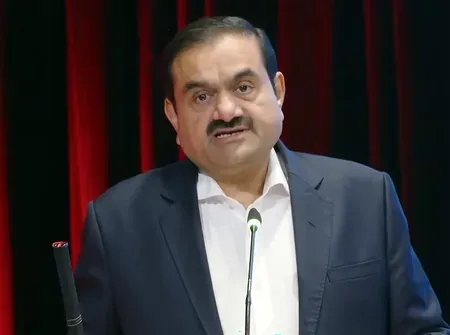
The US Department of Justice (DoJ) has permanently dropped all criminal charges against billionaire Gautam Adani and his nephew Sagar Adani in an alleged securities and wire fraud case, with the Eastern District of New York ordering the indictment dismissed with prejudice on 18 May. The move closes one of the most high-profile US legal actions ever brought against an Indian business figure.
What the DoJ Said
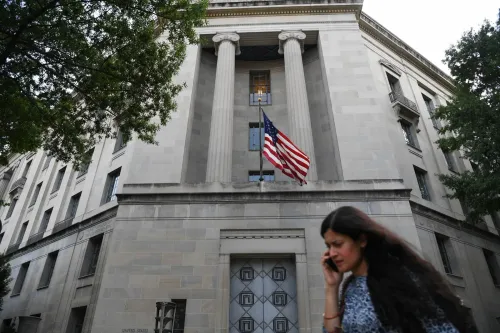
In its filing before the federal court, the Justice Department cited prosecutorial discretion as the basis for withdrawal. “The Department of Justice has reviewed this case and has decided, in its prosecutorial discretion, not to devote further resources to these criminal charges against individual defendants,” the department stated. A dismissal ‘with prejudice’ means the charges cannot be refiled on the same facts.
Defence Arguments That Shaped the Outcome
Counsel for Gautam Adani and Sagar Adani had argued in court that no credible evidence supported the alleged bribery scheme. The defence further contended that the US Securities and Exchange Commission (SEC) lacked the necessary jurisdiction over both men, and that the alleged misstatements underpinning the case were not legally actionable. The Adani Group had consistently denied all allegations, noting that none of its entities or executives had been charged under the US Foreign Corrupt Practices Act (FCPA), and that Adani Green Energy — the renewable energy arm at the centre of the fundraising allegations — was not formally a party to the proceedings.
Broader Regulatory Settlements
The DoJ dismissal is the latest in a series of closures of US regulatory actions against the conglomerate. The SEC last week settled its civil allegations against Adani. Separately, the US Treasury Department’s Office of Foreign Assets Control (OFAC) announced on Monday that it had reached a $275 million settlement with Adani Enterprises Limited (AEL) over apparent violations of sanctions on Iran. According to the OFAC statement, AEL agreed to pay $275 million to settle potential civil liability after purchasing shipments of liquefied petroleum gas (LPG) from a Dubai-based trader that purportedly supplied Omani and Iraqi gas. OFAC stated that red flags should have alerted AEL that the LPG actually originated from Iran. “From November 2023 to June 2025, AEL purchased shipments of liquified petroleum gas (LPG) from a Dubai-based trader purporting to supply Omani and Iraqi gas. Red flags should have put AEL on notice that the LPG actually originated from Iran. During this time period, AEL caused US financial institutions to process 32 US dollar-denominated payments totalling approximately $192,104,044 for the shipments,” the OFAC statement said.
What This Means for the Adani Group
With the criminal indictment now dismissed and the SEC civil matter settled, several of the major US regulatory and legal proceedings that had clouded the conglomerate since late 2024 have been formally closed. The $275 million OFAC settlement with AEL represents the principal remaining financial liability arising from the US scrutiny. The Adani Group has not commented specifically on next steps following the DoJ dismissal, but the closure is expected to ease pressure on the group’s international fundraising and investor relations. How markets and lenders respond in the coming sessions will be closely watched.
Point of View
But it does not erase the reputational cost of over six months of US scrutiny. The $275 million OFAC settlement — a civil, not criminal, resolution — confirms that compliance gaps existed in AEL’s LPG procurement chain, even if no individual was held criminally liable. For India Inc., the episode is a reminder that international capital markets now apply US-grade compliance expectations to Indian conglomerates operating globally. The real question is whether the Adani Group uses this closure to institutionalise stronger compliance infrastructure, or treats it as a clean chit and moves on.
NationPress
3 Oct 2026
Frequently Asked Questions
Why did the US Department of Justice drop charges against Gautam Adani?
The DoJ stated it decided, in its prosecutorial discretion, not to devote further resources to the criminal charges against the individual defendants. The court then dismissed the indictment with prejudice, meaning the charges cannot be refiled on the same facts.
What does 'dismissed with prejudice' mean in the Adani case?
A dismissal with prejudice means the case is permanently closed and the same charges cannot be brought again on the same underlying facts. It is a stronger outcome for the accused than a simple withdrawal of charges.
What is the $275 million OFAC settlement involving Adani Enterprises?
The US Treasury’s Office of Foreign Assets Control (OFAC) reached a $275 million civil settlement with Adani Enterprises Limited (AEL) over apparent violations of US sanctions on Iran. OFAC found that AEL purchased LPG shipments that originated from Iran through a Dubai-based trader, causing US financial institutions to process 32 dollar-denominated payments totalling approximately $192.1 million between November 2023 and June 2025.
Has the Adani Group been fully cleared of all US legal proceedings?
The criminal indictment has been dismissed with prejudice and the SEC civil matter has been settled. The $275 million OFAC settlement with AEL also represents a civil resolution. According to reports, several major US regulatory and legal proceedings against the group have now been formally closed.
What had the Adani Group said about the original allegations?
The Adani Group denied all allegations from the outset, stating that none of its entities or executives had been charged under the US Foreign Corrupt Practices Act and that Adani Green Energy — the arm that raised the funds in question — was not a party to the proceedings.