US likely to drop Adani fraud case soon, SEC eyes monetary settlement

Synopsis
The US Justice Department is reportedly on the verge of dropping criminal charges against Gautam Adani — a case that roiled global markets and froze Adani Group's international fundraising for over a year. The SEC's civil arm is moving toward a monetary settlement rather than a clean exit, meaning the legal cloud may lift unevenly. The outcome, if confirmed, would be among the most consequential reversals in a major cross-border corporate fraud case in recent memory.
Key Takeaways
The US Department of Justice is reportedly set to drop criminal charges against Gautam Adani as early as this week, according to sources.
The SEC is separately moving toward a civil settlement, likely involving a monetary penalty , in its parallel fraud case filed in November 2024 .
The original allegations claimed the Adanis sought to pay over $250 million in bribes to Indian officials to secure solar energy contracts.
A US federal judge last month granted Gautam Adani 's request for a hearing to dismiss the SEC case on jurisdictional grounds.
The disputed $750 million bond sale by Adani Green Energy in 2021 matured fully, with all principal and interest repaid to investors in 2024 .
The Adani Group has denied all allegations, stating no entity or executive has been charged under the US Foreign Corrupt Practices Act .
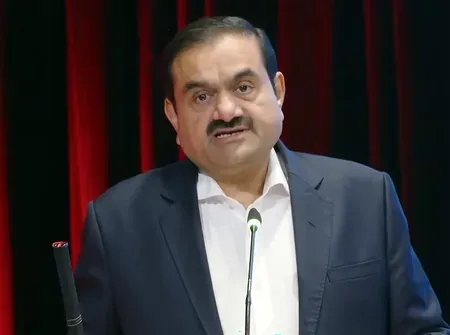
The US Department of Justice (DOJ) is reportedly moving to drop criminal charges against Adani Group Chairman Gautam Adani as early as this week, while the Securities and Exchange Commission (SEC) is separately working toward a civil settlement that could involve a monetary penalty, according to sources familiar with the matter. The development would bring to a close a case that has lingered for more than a year since charges were first filed in November 2024.
State of the Two Cases
The DOJ is expected to effectively move to drop the criminal charges, a step made procedurally possible given that the defendants — Gautam Adani and his nephew Sagar Adani — are outside the United States. The SEC's parallel civil fraud case, however, is likely to conclude with a financial penalty rather than a clean dismissal, sources said.
The original allegations, filed simultaneously by the DOJ and the SEC, claimed the Adanis sought to pay over $250 million in bribes to Indian government officials to secure solar energy contracts, and that they concealed this scheme from US investors and banks when raising funds. The Adani Group has consistently and categorically denied all such allegations.
Adani's Legal Arguments
Counsel for Gautam Adani and Sagar Adani have argued in court that no credible evidence supports the alleged bribery scheme. Their legal team has further contended that the SEC lacks personal jurisdiction over the two individuals, given that neither had sufficient contacts with the US nor direct involvement in the bond offering in question.
Last month, a US federal judge granted Gautam Adani's request to schedule a hearing to dismiss the SEC case, acknowledging the jurisdictional challenge. In filings, the Adani legal team argued the case represents an impermissible extraterritorial application of US law, and that the SEC has failed to establish actionable claims under US securities statutes.
The Bond Sale at the Centre of the SEC Case
The SEC's civil complaint centres on a $750 million bond sale conducted by Adani Green Energy — the Group's renewable energy arm — in 2021. The transaction was executed outside the United States under Rule 144A and Regulation S exemptions, with securities initially sold to non-US underwriters and only partially resold to qualified institutional buyers thereafter.
Adani's lawyers argued that the issuer is an Indian entity, the alleged misconduct occurred entirely in India, and the securities were never listed in the United States — rendering the SEC's reach impermissibly extraterritorial. Notably, the filing also pointed out that no investor losses occurred: the bonds matured and Adani Green Energy repaid all principal and interest in full to investors in 2024.
Adani Group's Position
The Adani Group has maintained that none of its entities or executives has been charged under the US Foreign Corrupt Practices Act (FCPA). It has also clarified that Adani Green Energy — the entity that raised the funds — is not a party to the DOJ criminal proceedings. The Group has framed the allegations as legally deficient and jurisdictionally overreaching.
What Happens Next
A DOJ announcement dropping the criminal charges could come within days, according to sources. Any SEC settlement, by contrast, is expected to take longer to finalise and would likely require agreement on the quantum of the monetary penalty. The resolution, if it materialises as described, would mark a significant turning point for the Adani Group, which has faced sustained pressure on its international fundraising and reputational standing since the charges emerged in late 2024.
Point of View
It sets a precedent about the practical limits of American extraterritorial enforcement. The SEC's likely pivot to a monetary settlement, rather than a contested ruling, suggests the jurisdictional arguments had more traction than the initial filing implied. What remains unresolved is the reputational arithmetic: a dropped case is not an exoneration, and the Adani Group's international capital access — already tested — will take time to fully normalise regardless of the legal outcome.
NationPress
9 Oct 2026
Frequently Asked Questions
Why is the US likely to drop the case against Gautam Adani?
According to sources, the US Department of Justice is moving to drop criminal charges against Gautam Adani, partly because the defendants are outside the United States, making enforcement procedurally complex. The Adani legal team has also argued the case lacks sufficient jurisdictional basis and credible evidence.
What were the original allegations against the Adani Group?
The US DOJ and SEC alleged that Gautam Adani and others sought to pay over $250 million in bribes to Indian government officials to secure solar energy contracts, and concealed this scheme from US investors and banks when raising funds. The Adani Group has denied all allegations.
What is the SEC's civil case about, and how is it different from the DOJ case?
The SEC's civil case centres on a $750 million bond sale by Adani Green Energy in 2021, alleging fraud against US investors. Unlike the DOJ's criminal complaint, the SEC case is civil and is expected to be resolved through a monetary settlement rather than dropped outright.
Has the Adani Group been charged under the US Foreign Corrupt Practices Act?
No. The Adani Group has stated that none of its entities or executives has been charged under the US Foreign Corrupt Practices Act (FCPA). It has also clarified that Adani Green Energy, the entity that raised the funds, is not a party to the DOJ criminal proceedings.
What happened to the bonds at the centre of the SEC case?
The $750 million bond sale by Adani Green Energy in 2021 matured fully, and the company repaid all principal and interest to investors in 2024. Adani's legal team has highlighted the absence of any investor losses as a key argument against the SEC's claims.