Adani case: US judge's order routine, dismissal likely, say legal experts

Synopsis
Top American and Indian legal experts are unanimous: Judge Garaufis's unusual five-page order demanding reasons from the Justice Department before dismissing the Adani indictment is procedural housekeeping, not a roadblock. Under the US Constitution, prosecutorial discretion belongs to the executive — and that makes the final dismissal, experts say, virtually inevitable.
Key Takeaways
Judge Nicholas Garaufis ordered the Justice Department to provide detailed reasons for seeking dismissal of the Gautam Adani indictment by 13 July .
Leading experts — including Columbia Law School's Prof.
Coffee , former US Attorney Barbara McQuade , and former Solicitor General Harish Salve — describe the order as procedural, not substantive.
Under the US Constitution, prosecutorial discretion rests exclusively with the executive branch; courts cannot compel the Justice Department to pursue a case.
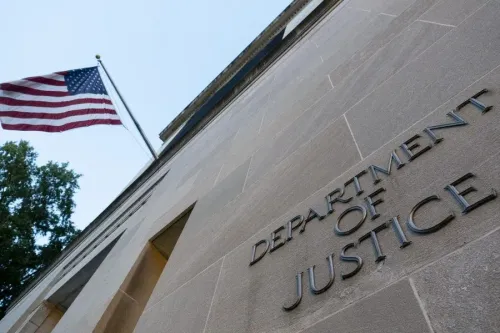
The US Department of Justice last month permanently dropped all criminal charges against Gautam Adani and his nephew Sagar Adani .
The original indictment, unsealed in November 2024 , alleged bribery, securities fraud, and obstruction of justice linked to solar energy projects in India ; all defendants have denied wrongdoing.
Former federal prosecutor Paul Rosenzweig said proceedings could conclude within weeks once the court receives the Justice Department's explanation.
A US federal judge's decision to seek a fuller explanation from the Justice Department before approving its request to drop criminal charges against industrialist Gautam Adani is unlikely to prevent the case from being dismissed, leading American and Indian legal experts said on 29 June. Experts stressed that prosecutorial discretion ultimately rests with the executive branch under the US Constitution.
What the Judge Ordered
Judge Nicholas Garaufis of the Eastern District of New York directed the Justice Department to provide detailed reasons and supporting facts for its request to dismiss, with prejudice, the indictment against Adani and seven co-defendants. In a five-page order, the judge stated that the government's brief motion failed to supply sufficient information for the court to fulfil its responsibilities under Rule 48(a) of the Federal Rules of Criminal Procedure. The Justice Department is required to submit its detailed explanation no later than 13 July.
What Legal Experts Said
John C. Coffee, Adolf A. Berle Professor of Law at Columbia Law School and one of America's foremost authorities on securities law, said Judge Garaufis may require prosecutors to justify their decision but cannot substitute the court's judgment for that of the executive branch.
'Generally, under our Constitution, prosecutorial discretion is seen as an exclusively executive power, which belongs ultimately to the President, as head of the executive branch,' Coffee said. He added: 'Although the Court may be able to ask for a justification, it cannot reverse the prosecutor's decision... The court's decision is unusual and cannot be extended to permit substantive review by the court on the prosecutors' decision to dismiss.'
Former US Attorney Barbara McQuade described the judge's request as uncommon but well within the court's authority. 'I'm not familiar with this case, but it is unusual for a judge to question the reasons for dismissal,' she said, noting that most government-initiated dismissals are approved without inquiry. McQuade added that a judge may seek further explanation to ensure the Justice Department is not 'abusing its power, by, for example, repeatedly filing and dismissing charges against the same individual.' She clarified, however, that the court cannot compel prosecutors to continue but can decide whether the dismissal is with or without prejudice — controlling whether charges can be refiled.
Renowned Indian senior advocate and former Solicitor General Harish Salve characterised the order as a standard procedural requirement. 'In every court in the world, whenever a case is filed in the court, the case becomes, as they say, property of the court,' Salve said. 'So, when you even tell the court, please dismiss a court, they say, 'Why?' So, the government will file its reasons... it's a standard thing and nothing to read into it.' Salve also dismissed suggestions that the order would trigger a prolonged legal battle: 'There's no need for an appeal. There is a very small procedural order. The Adani group has nothing to do with it. This is between the prosecutor and the judge.'
Former federal prosecutor Paul Rosenzweig agreed that the Justice Department is ultimately likely to prevail, though he characterised the order as more significant than a routine procedural step. 'In the end, all the judges that have faced this question have decided that they really don't have the discretion to refuse the department's request to dismiss the case,' Rosenzweig said. He added that proceedings could conclude within weeks if the court accepts the Justice Department's explanation, but may take longer if Judge Garaufis appoints an independent lawyer to examine the government's reasoning.
Background: The Adani Indictment
The indictment was returned by a federal grand jury in the Eastern District of New York in October 2024 and unsealed the following month. It accused senior Adani Group officials and six others of participating in an alleged scheme involving bribery, securities fraud, and obstruction of justice in connection with solar energy projects in India. All defendants have denied wrongdoing.
Last month, the US Department of Justice permanently dropped all criminal charges against Adani Group Chairman Gautam Adani and his nephew, Sagar Adani, in the alleged securities and wire fraud case. 'The Department of Justice has reviewed this case and has decided, in its prosecutorial discretion, not to devote further resources to these criminal charges against individual defendants,' the Justice Department stated. The court subsequently ordered that the indictment 'be dismissed with prejudice.'
What Happens Next
The Justice Department must file its detailed explanation by 13 July. If the court accepts the reasoning, the dismissal is expected to proceed swiftly. In the unlikely scenario that Judge Garaufis appoints an independent counsel to scrutinise the government's position, the process could extend further — though experts across the board consider a final dismissal the most probable outcome.
Point of View
Everyone is reading this as procedural noise. What the coverage tends to underplay is the structural point: Rule 48(a) was designed to protect defendants from prosecutorial harassment, not to give courts a veto over executive charging decisions. Judge Garaufis is well within his rights to ask 'why', but history shows no federal judge has successfully blocked a government-initiated dismissal on the merits. The real story here is not whether Adani walks free — that appears settled — but why the Justice Department chose this moment to exit, and whether any civil or regulatory threads remain live.
NationPress
27 Sept 2026
Frequently Asked Questions
What did the US judge order in the Adani case?
Judge Nicholas Garaufis of the Eastern District of New York ordered the Justice Department to submit detailed reasons and supporting facts for its request to dismiss the criminal indictment against Gautam Adani and seven co-defendants, with the explanation due no later than 13 July. The judge said the government's original motion did not provide sufficient information for the court to fulfil its obligations under Rule 48(a) of the Federal Rules of Criminal Procedure.
Will the judge's order prevent the Adani case from being dismissed?
Legal experts say it is very unlikely to do so. Prosecutorial discretion is constitutionally vested in the executive branch, meaning courts cannot compel the Justice Department to pursue a case it has chosen to drop. Experts including Prof. John C. Coffee and former federal prosecutor Paul Rosenzweig expect the dismissal to proceed once the government files its explanation.
What were the original charges against Gautam Adani?
A federal grand jury in the Eastern District of New York indicted Gautam Adani, his nephew Sagar Adani, and six others in October 2024 on charges of alleged bribery, securities fraud, and obstruction of justice in connection with solar energy projects in India. The indictment was unsealed in November 2024. All defendants have denied any wrongdoing.
What is the significance of a dismissal 'with prejudice'?
A dismissal with prejudice means the same charges cannot be refiled against the defendants in the future. The court had already ordered the indictment against Adani and others to be dismissed with prejudice after the Justice Department said it would not devote further resources to the case.
What happens next in the Adani case?
The Justice Department must file its detailed explanation with the court by 13 July. If Judge Garaufis accepts the reasoning, the dismissal is expected to be finalised quickly. In the unlikely event the judge appoints an independent lawyer to examine the government's position, the process could take longer — though experts broadly expect a final dismissal to follow.