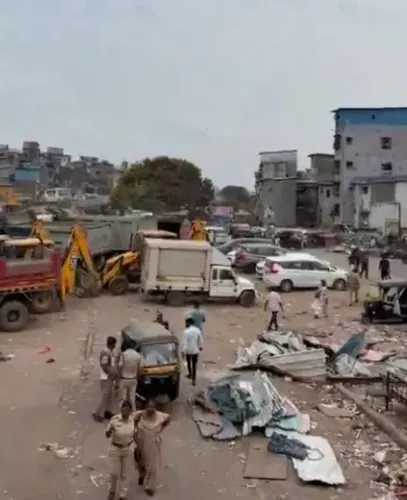
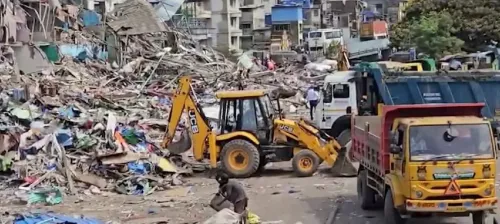
CM Fadnavis: Stone-Pelters Arrested After Bandra East Demolition Clash
Synopsis
Maharashtra CM Devendra Fadnavis confirmed that stone-pelters were arrested after attacking police during an anti-encroachment drive in Bandra East, Mumbai, on 21 May 2026. Officers used a lathi charge to restore order, raising questions about rehabilitation and crowd management in civic enforcement operations.
Key Takeaways
Maharashtra CM Devendra Fadnavis confirmed stone-pelting by a group during an anti-encroachment drive in Bandra East, Mumbai on 21 May 2026 .
Mumbai Police resorted to a lathi charge to control the situation and arrested those who pelted stones.
The operation was an anti-encroachment drive, a type of action routinely carried out by the BMC across Mumbai suburbs.
Bandra East has been the site of earlier civic enforcement campaigns due to its dense mix of informal settlements and infrastructure corridors.
Follow-up actions expected include court petitions from affected parties and possible state government statements on rehabilitation.
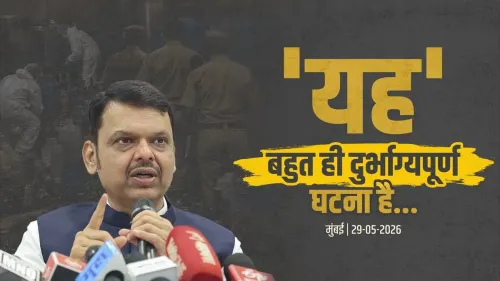
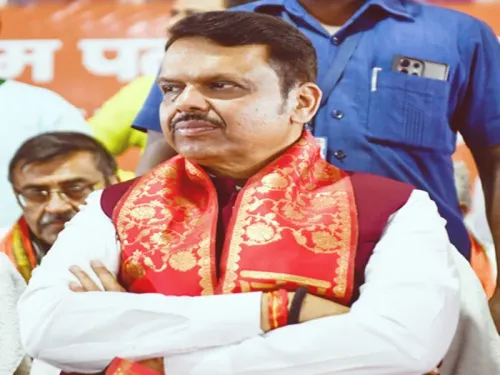
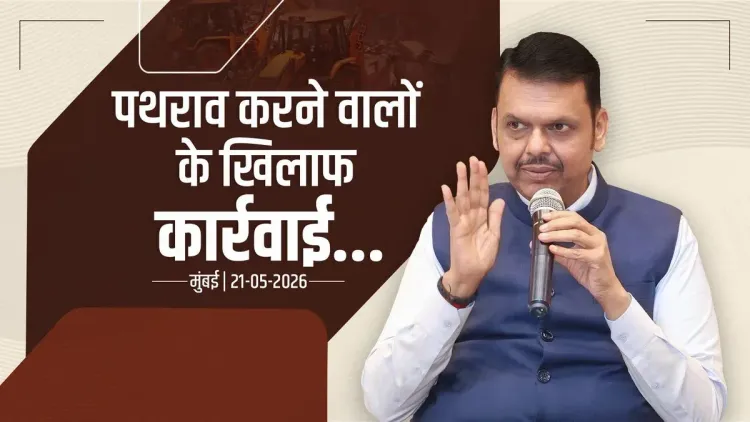
Maharashtra Chief Minister Devendra Fadnavis on Thursday, 21 May 2026, confirmed that police resorted to a lathi charge and made arrests after a group of individuals pelted stones at officers during an anti-encroachment operation in Bandra East, Mumbai. The statement was made at a press conference in Mumbai and shared on his official X account.
Speaking at the press briefing, Fadnavis said in Hindi: 'Bandra purv mein atikraman hatane ki karravai ke dauran kuch logon ne police par pathrav kiya' — 'During the encroachment-removal drive in Bandra East, some people pelted stones at the police.' He added that officers subsequently used batons to bring the situation under control and arrested those responsible for the stone-pelting.
Context
The incident unfolded during what officials described as a routine anti-encroachment drive in Bandra East, a densely populated suburb in Mumbai with a long history of unauthorised constructions. Such civic enforcement actions are carried out periodically by the Brihanmumbai Municipal Corporation (BMC) to reclaim public land and clear the way for planned infrastructure. The deployment of Mumbai Police alongside civic teams is standard practice during demolition drives, given the potential for resistance from residents and occupants facing eviction.
Policy Backdrop
Maharashtra governments across administrations have conducted demolition campaigns in Mumbai suburbs for decades, framing them as efforts to enforce building regulations and free encroached public land for development. These operations are often contentious, pitting municipal authorities against slum dwellers and small traders who may have occupied land for years. The BMC has faced repeated legal challenges in courts over the manner and timing of such drives, particularly when adequate notice or rehabilitation alternatives are alleged to be absent.
The current Fadnavis-led government has positioned urban law enforcement and infrastructure clearance as priorities, with Mumbai's ongoing metro and coastal road projects requiring land that is frequently encumbered by informal settlements. Bandra East, given its proximity to key transport corridors, has been the site of earlier civic campaigns as well.
Stakeholders and Impact
Residents and occupants facing demolition — many of them long-term slum dwellers — are the most directly affected. For them, such drives can mean sudden loss of shelter or livelihood without guaranteed rehabilitation. Mumbai Police personnel are placed in the frontline of enforcement, exposed to the risk of clashes as seen in this incident. Local political representatives, civic groups, and legal-aid organisations typically mobilise quickly after such episodes, either to seek court stays or to demand rehabilitation packages from the state government.
The stone-pelting and subsequent lathi charge also raise questions about the adequacy of crowd-management planning ahead of demolition drives in densely populated areas, and whether sufficient advance notice was given to affected communities.
What's Next
Attention will now turn to whether the BMC or the state government issues a formal statement on rehabilitation plans for those displaced by the drive. Affected parties or advocacy groups are likely to approach courts seeking a stay on further demolitions or compensation for those already evicted. The arrested individuals will face legal proceedings, and their cases could attract scrutiny from civil liberties organisations. Chief Minister Fadnavis is expected to face follow-up questions on the government's broader encroachment-removal policy and its safeguards for vulnerable residents.
Point of View
Deflecting attention from displacement concerns toward the conduct of those resisting. The incident fits a broader pattern of urban governance in Mumbai where infrastructure ambitions increasingly collide with entrenched informal settlements, and where the absence of robust pre-demolition rehabilitation planning repeatedly generates flashpoints. How the government responds to rehabilitation demands in the days ahead will be the real test of whether this drive is part of a rights-respecting policy or a purely punitive enforcement exercise.
NationPress
5 Oct 2026
Frequently Asked Questions
What happened during the Bandra East demolition drive on 21 May 2026?
During an anti-encroachment operation in Bandra East, Mumbai, some individuals pelted stones at police personnel. Officers responded with a lathi charge and arrested those responsible for the stone-pelting, according to a statement by CM Devendra Fadnavis.
Why did police use a lathi charge in Bandra East?
Mumbai Police used a lathi charge to bring the situation under control after a group of people attacked officers with stones during an ongoing demolition drive targeting unauthorised structures in Bandra East.
Who ordered the Bandra East anti-encroachment drive?
The anti-encroachment drive was part of periodic operations conducted by the Brihanmumbai Municipal Corporation. CM Devendra Fadnavis confirmed the incident at a press conference in Mumbai on 21 May 2026.
What happens to people displaced by Mumbai demolition drives?
Displaced residents may be eligible for rehabilitation under state or municipal schemes, though affected parties frequently approach courts seeking stays or compensation. The specifics depend on whether the structures were on notified slum land or other categories of public land.
Has stone-pelting happened during Mumbai demolition drives before?
Yes. Clashes during anti-encroachment operations have occurred in several Mumbai localities over the years, as residents and occupants resist sudden evictions. Such incidents typically prompt calls for better pre-demolition notice and rehabilitation planning.