Bangladesh lifts hilsa ban as 42,000 fishermen return, but declining catches raise supply fears
Synopsis
Bangladesh lifted its 22-day hilsa ban at midnight, sending 42,000 fishermen back to the Meghna and Padma — but the season opens under a shadow. Catches have fallen for two straight years, researchers are calling the trend alarming, and the government's conservation-versus-livelihood balancing act is showing serious cracks.
Key Takeaways
Bangladesh's 22-day hilsa fishing ban ended at 11:59 p.m.
Thursday, 30 October 2026 , reopening the Meghna and Padma rivers.
Around 42,000 fishermen in Chandpur resumed operations immediately after the ban lifted.
Hilsa catches have declined for two consecutive years , with researcher Md Anisur Rahman describing the trend as 'alarming.' Fine-mesh nets, overfishing, pollution, and underwater shoals are reportedly blamed for the production decline.
Bangladesh produced 5.02 million metric tonnes of fish worth $20.44 billion in 2023-24 , with the sector supporting 19-20 million livelihoods .
Government food-assistance during the ban — including rice allocations to fishing families — was criticised as insufficient by many affected communities.
Bangladesh's 22-day hilsa fishing ban officially ended at 11:59 p.m. on Thursday, 30 October 2026, allowing thousands of fishermen back onto the Meghna and Padma rivers — but whether the season's catch will satisfy the enormous Bengali appetite for the prized fish remains uncertain, according to reports.
Fishermen Return After Weeks of Hardship
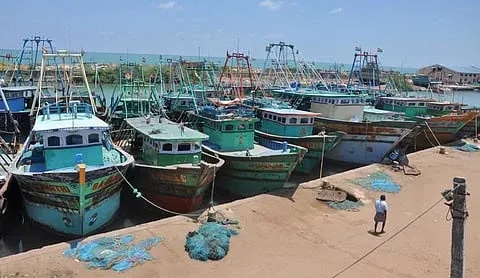
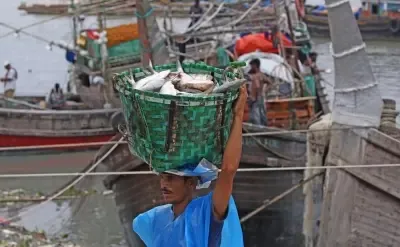
Around 42,000 fishermen in Chandpur resumed operations at the stroke of midnight, ending a government-imposed prohibition on the catching, selling, and transporting of hilsa designed to protect the fish during its spawning season. The return, described as coming 'after weeks of hardship' by reports from Bangladesh, marks the end of one of the country's most closely watched conservation windows.
This year's enforcement was notably intensive: authorities conducted extensive operations, seizing large quantities of illegally caught hilsa and fishing nets throughout the closure period, underscoring the scale of compliance challenges the ban routinely faces.
A Declining Catch Clouds the Season
The bigger concern overshadowing the ban's end is a worrying downward trend in hilsa production. Around mid-September, an investigation by Bangladesh's Prothom Alo found that hilsa catches have declined for two consecutive years, raising alarms among researchers and fishing communities alike.
Hilsa researcher Md Anisur Rahman called the situation alarming, stating that what he has witnessed 'for the past two years is alarming' and attributing blame to 'both people and nature.' Researchers reportedly believe that the spread of extremely fine-mesh nets in the sea, excessive fishing pressure, pollution, and underwater shoals are together driving the decline in hilsa production.
For fishermen who were already complaining of below-expectation catches and insufficient earnings to repay debts, the seasonal ban compounded financial stress. The government attempted to ease the burden through food-assistance programmes — hundreds of thousands of fishing families reportedly received rice allocations during the closure — but reports suggest many considered the support insufficient.
Bangladesh's Hilsa and Its Outsized Economic Role
Bangladesh is the world's leading hilsa producer and ranks third in inland open-water capture fisheries, fourth in tilapia production, and fifth in overall aquaculture. In 2023-24, the country produced 5.02 million metric tonnes of fish worth approximately $20.44 billion, according to reports.
The fisheries sector accounts for 2.43–2.53 per cent of Bangladesh's GDP and over 22 per cent of its agricultural GDP. Critically, it provides nearly 60 per cent of the animal protein Bangladeshis consume daily and supports the livelihoods of 19 to 20 million people, directly and indirectly.
Hilsa, which migrates from the sea to freshwater rivers to spawn — primarily during monsoon and winter seasons — is inherently a seasonal catch, which limits annual supply windows and keeps prices volatile.
A Fish at the Centre of Culture and Ecology
Few fish command the cultural devotion hilsa enjoys among Bengalis on either side of the Ganga-Padma delta. Deeply woven into festivals, weddings, family gatherings, and seasonal rituals, a meal of fresh hilsa represents far more than sustenance — it is, for many households, an expression of identity and collective memory.
Prized for its rich oil content, distinctive aroma, and buttery texture, hilsa develops a layered flavour of sweetness, salinity, and umami whether steamed with mustard, simmered in a light broth, or simply fried. Its notoriously complex bone structure does little to diminish its near-sacred status in Bengali cuisine.
This cultural weight has made conservation a politically and socially sensitive issue. Administrations in hilsa-producing regions have long used seasonal bans, river sanctuaries, and enforcement drives to ensure mature fish can spawn before harvest — a balance that, as declining catches now suggest, is proving difficult to sustain.
Ecology Versus Livelihood: An Unresolved Tension
The conflict between ecological conservation and fisher livelihoods sits at the heart of Bangladesh's hilsa debate. Bans protect the spawning cycle but impose real financial pain on fishing communities with few alternative income sources. If the structural causes of declining catches — overfishing, fine-mesh nets, river pollution — are not addressed alongside seasonal restrictions, conservation measures alone may fail to reverse the trend.
Researchers have called for a formal investigation into the drivers of the two-year decline. How Bangladesh responds to that call will determine whether the hilsa, long a symbol of national and cultural pride, can recover its former abundance.
Point of View
River pollution, and unchecked fishing pressure in the sea are year-round problems. Bangladesh's conservation framework has so far leaned heavily on the annual ban as a near-complete solution, while the livelihood costs on fishing communities accumulate with little structural relief. If the government does not commission and act on the investigation researchers are calling for, the hilsa — a fish that is both an economic pillar and a cultural touchstone — risks a much steeper and harder-to-reverse decline.
NationPress
30 Oct 2026
Frequently Asked Questions
Why did Bangladesh impose a hilsa fishing ban?
Bangladesh imposed a 22-day ban on catching, selling, and transporting hilsa to protect the fish during its spawning season. Hilsa migrates from the sea to freshwater rivers like the Meghna and Padma to breed, mainly during monsoon and winter seasons, making a protected window critical to sustaining the population.
When did the Bangladesh hilsa ban end in 2026?
The ban ended at 11:59 p.m. on Thursday, 30 October 2026, allowing around 42,000 fishermen in Chandpur to resume operations on the Meghna and Padma rivers from early Friday morning.
Why are hilsa catches declining in Bangladesh?
Researchers reportedly attribute the two-year decline to a combination of human and natural factors — including the spread of extremely fine-mesh nets at sea, excessive fishing, river pollution, and underwater shoals. Hilsa researcher Md Anisur Rahman has described the trend as 'alarming' and called for a formal investigation.
How important is hilsa to Bangladesh's economy?
The fisheries sector contributes 2.43–2.53 per cent of Bangladesh's GDP and over 22 per cent of agricultural GDP, supporting 19 to 20 million livelihoods directly and indirectly. Hilsa is Bangladesh's most iconic catch, and the country is the world's leading producer of the species.
What support did Bangladesh offer fishermen during the ban?
The government distributed food assistance — including rice allocations — to hundreds of thousands of fishing families during the closure period. However, reports indicate that many affected fishermen considered the support insufficient, particularly given that earnings were already below expectations due to declining catches.