Tamil Nadu fishing ban ends: 1 lakh fishermen set to return to sea on June 14
Synopsis
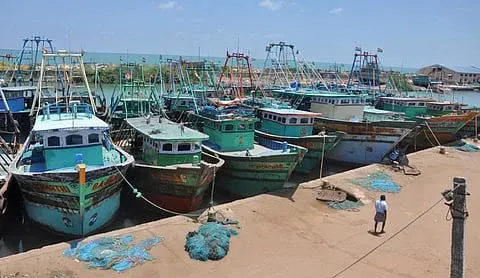
After 61 days ashore, over one lakh Tamil Nadu fishermen are heading back to the Bay of Bengal from midnight on 14 June — the moment the Union government's annual breeding-season ban lifts. With 15,000 mechanised boats ready across 15-plus coastal districts, the scale of the return underscores just how much of the state's coastal economy was on pause.
Key Takeaways
The 61-day annual fishing ban in the Bay of Bengal ends at midnight on 14 June .
More than one lakh fishermen operating over 15,000 mechanised boats are set to return to sea from Tamil Nadu .
The ban, imposed by the Union government from 15 April to 14 June , covered Tamil Nadu and Andhra Pradesh 's eastern coastline.
Key departure points include Kasimedu (Chennai), Nagapattinam , Thoothukudi , Kanyakumari , and over a dozen other coastal districts.
Fish traders, auctioneers, transporters, and seafood processing workers are also anticipating a business revival.
More than one lakh fishermen across the Tamil Nadu coast are preparing to head back to sea from Sunday night, 14 June, as a 61-day annual fishing ban in the Bay of Bengal comes to an end at midnight. The seasonal restriction, imposed by the Union government from 15 April to 14 June, covered the eastern coastline spanning Tamil Nadu and Andhra Pradesh.
Why the Ban Was Imposed
The annual fishing moratorium is designed to protect fish stocks during their peak breeding season and safeguard the long-term sustainability of marine resources. Mechanised fishing boats were barred from venturing into the sea for the entire duration of the ban. Fisheries experts have consistently maintained that the restriction plays a crucial role in maintaining ecological balance and ensuring sustainable fish production in the Bay of Bengal.
How Fishermen Prepared During the Break
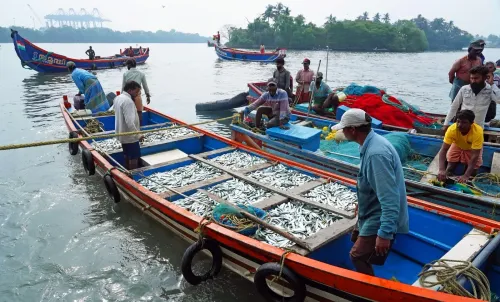
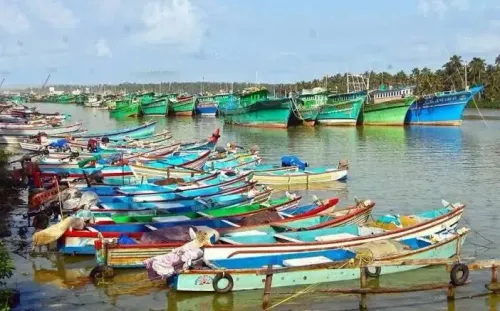
The two-month pause was used productively by fishing communities. Boat operators carried out maintenance work on their vessels, repaired engines, overhauled fishing equipment, and mended nets in readiness for the new season. Harbour authorities and fisheries officials have also completed necessary preparations to facilitate the smooth resumption of operations.
Scale of the Return
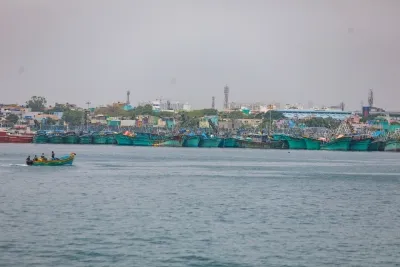
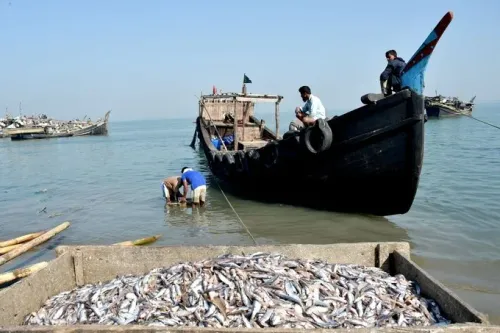
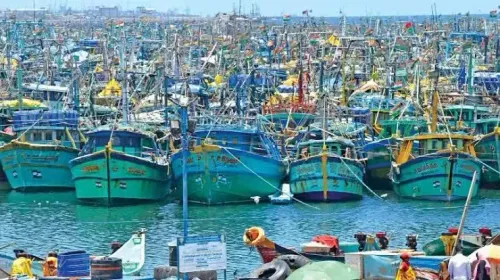
Over 15,000 mechanised boats are expected to sail from fishing centres and coastal districts across the state. Key departure points include Chennai's Kasimedu fishing harbour and coastal stretches in Tiruvallur, Chengalpattu, Villupuram, Cuddalore, Thanjavur, Tiruvarur, Nagapattinam, Mayiladuthurai, Puducherry, Karaikal, Pudukkottai, Ramanathapuram, Thoothukudi, Tirunelveli, and Kanyakumari. Fishing harbours across the state are witnessing heightened activity as crews make final preparations before setting sail.
Impact on Allied Sectors
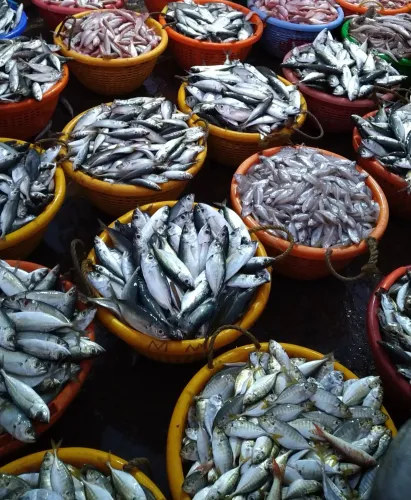
The resumption of deep-sea fishing is expected to boost fish landings in the coming days, bringing relief not just to fishermen but to the broader ecosystem of allied trades. Fish traders, auctioneers, transporters, and workers in seafood processing units are all anticipating a surge in business following the lifting of the ban. Fishing communities remain hopeful for a productive season, particularly after the enforced break that allowed fish populations to replenish.
What Comes Next
With the ban lifted at midnight on 14 June, the focus now shifts to the size and quality of the first catches — an early indicator of how well fish stocks have recovered during the moratorium. A strong opening season would validate the conservation rationale behind the annual ban and provide economic breathing room for coastal communities that bore the income loss over the past two months.
Point of View
And Tamil Nadu's coastal economy essentially hibernates for 61 days every year because of it. What rarely gets scrutiny is the adequacy of compensation for fishermen during the ban period and whether income-support mechanisms keep pace with rising fuel and maintenance costs. The real measure of the ban's success is not just the volume of the first catch but whether fish stock data — collected independently — confirms meaningful recovery. Without that transparency, the ecological case remains asserted rather than demonstrated.
NationPress
28 Sept 2026
Frequently Asked Questions
When does the Tamil Nadu fishing ban end in 2025?
The annual fishing ban in the Bay of Bengal ends at midnight on 14 June 2025. Mechanised fishing boats across Tamil Nadu are cleared to return to sea from Sunday night onwards.
Why is the annual fishing ban imposed in the Bay of Bengal?
The Union government imposes the ban each year from 15 April to 14 June to protect fish stocks during their peak breeding season. The moratorium is intended to allow fish populations to replenish and ensure the long-term sustainability of marine resources.
How many fishermen and boats are returning to sea in Tamil Nadu?
More than one lakh fishermen operating over 15,000 mechanised boats are expected to venture into the sea from coastal districts across Tamil Nadu once the ban lifts on 14 June.
Which coastal areas in Tamil Nadu are covered by the fishing ban?
The ban covers mechanised fishing along the full Tamil Nadu coastline, with boats departing from Chennai's Kasimedu harbour and districts including Nagapattinam, Thoothukudi, Kanyakumari, Cuddalore, Ramanathapuram, Tirunelveli, and several others.
Who else is affected by the fishing ban besides fishermen?
The ban affects the entire coastal supply chain — fish traders, auctioneers, transporters, and workers in seafood processing units all see reduced activity during the 61-day period. All are anticipating a business revival as boats return to sea.