Tamil Nadu Implements 61-Day Fishing Ban to Safeguard Marine Resources Starting April 15
Synopsis
In a crucial move to protect marine life, Tamil Nadu will enforce a 61-day fishing ban starting April 15, 2026. This initiative aims to ensure sustainable fishing practices while allowing fish populations to recover during their breeding season.
Key Takeaways
61-day fishing ban from April 15 to June 14, 2026.
Implemented to protect fish during breeding season.
Affects all mechanised fishing boats and trawlers.
Legal actions for violations will be enforced.
Aimed at ensuring long-term sustainability of marine resources.
Thoothukudi, April 11 (NationPress) In a decisive move aimed at safeguarding marine resources and promoting sustainable fishing practices, the Tamil Nadu government is set to implement an annual fishing ban along the eastern coastline from April 15 to June 14, 2026.
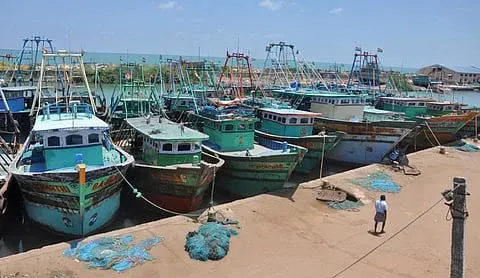
This 61-day prohibition, including both starting and ending dates, is designed to protect fish during their essential breeding season. The ban will affect all mechanised fishing boats and trawlers operating along the coastal area stretching from Tiruvallur district in the north to Kanyakumari district in the south (up to Kanyakumari town).
Implemented under the Tamil Nadu Marine Fishing Regulation Act of 1983, this measure is vital for allowing marine species to spawn and regenerate, thus contributing to the long-term sustainability of fish stocks. Experts consistently underline that such periodic bans are crucial for maintaining ecological balance and supporting the livelihoods of fishing communities.
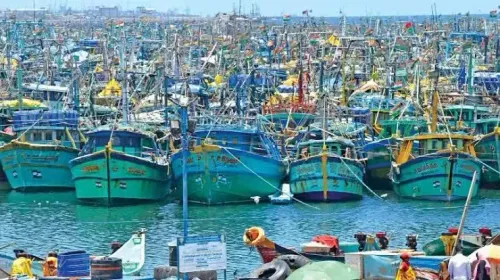
In an official statement, Thoothukudi District Collector Vishnu Mahajan announced that all registered mechanised fishing vessels and trawlers in the district will be prohibited from engaging in fishing activities during the ban period.
The administration is committed to closely monitoring compliance to ensure adherence to this regulation without exceptions.
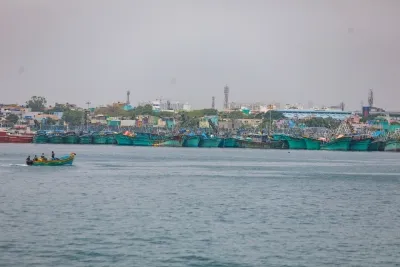
The Collector also warned that during the ban, unauthorized access to the Thoothukudi fishing harbour by individuals not involved in permitted activities will be restricted.
This initiative is part of broader efforts to maintain order, curb illegal fishing activities, and protect harbour infrastructure during the enforcement period.
Officials have indicated that strict legal actions will be taken against those violating the ban. Enhanced surveillance measures, including coastal patrols and inspections, will be intensified to prevent any violations.
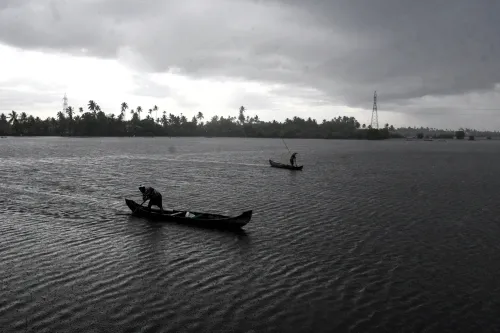
Although the annual fishing ban temporarily disrupts fishing operations, it is widely viewed as a necessary step for replenishing marine biodiversity. By allowing fish populations to recover during the breeding season, this initiative ultimately aims to secure improved yields for fishermen in the long run while ensuring the health of the marine ecosystem.
aal/rad
Point of View
The enforcement of a fishing ban is a proactive measure to ensure marine sustainability. It reflects the government’s commitment to ecological balance and the long-term welfare of fishing communities.
NationPress
19 Sept 2026
Frequently Asked Questions
When does the fishing ban start and end?
The fishing ban in Tamil Nadu begins on April 15 and ends on June 14, 2026.
Who is affected by the fishing ban?
All mechanised fishing boats and trawlers operating along the eastern coastline of Tamil Nadu are affected by the ban.
What is the purpose of this fishing ban?
The purpose of the fishing ban is to protect fish during their breeding season and ensure the sustainability of marine resources.
What will happen if someone violates the ban?
Strict legal actions will be taken against individuals found violating the ban, and monitoring efforts will be intensified.
Why is this ban considered important?
The ban is considered important for allowing marine species to spawn and regenerate, thus contributing to the long-term sustainability of fish stocks.