SBI bank strike alert: Plan transactions before Sept 28–30 UFBU walkout
Synopsis
A three-day UFBU bank strike from 28–30 September, combined with the preceding weekend, could leave SBI customers without normal branch access for five consecutive days. With another continuous strike already announced from 26 October, this is not a one-off — it is part of an escalating pattern of bank union agitation that millions of account holders need to plan around now.
Key Takeaways
SBI has issued an advisory on 20 September 2026 urging customers to complete branch transactions before the strike period.
The UFBU has called a three-day nationwide bank strike from 28 to 30 September 2026 .
Combined with the weekend of 26–27 September , customers could face up to a five-day gap in normal branch operations.
A separate continuous strike from 26 October 2026 has also been announced by the UFBU.
SBI has directed customers to use ATMs, ADWMs, CSPs, YONO, mobile banking, internet banking, and UPI as alternatives.
Branch-dependent services — document verification, cheque processing, in-person formalities — may be unavailable or delayed during the strike.
State Bank of India (SBI) has issued a formal advisory urging customers across the country to complete critical branch-based transactions ahead of a proposed three-day nationwide bank strike called by the United Forum of Bank Unions (UFBU) from 28 to 30 September 2026. The advisory, issued on 20 September 2026, warns that branch operations could face significant limitations depending on employee participation levels.
Why the Strike Is Called
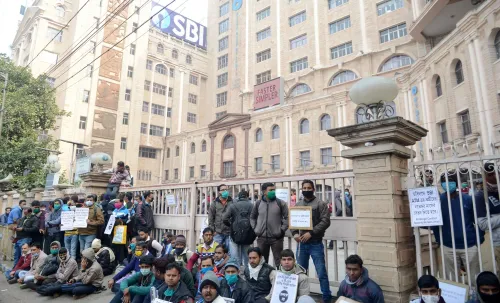
The UFBU, an umbrella body of major bank employee unions, has been running a sustained agitation and had already staged a nationwide strike on 11 September 2026. The upcoming 28–30 September walkout represents a second phase of protest action this month. The forum has additionally announced a continuous strike beginning 26 October 2026, signalling that industrial tensions in the banking sector are far from resolved.
The Five-Day Disruption Risk
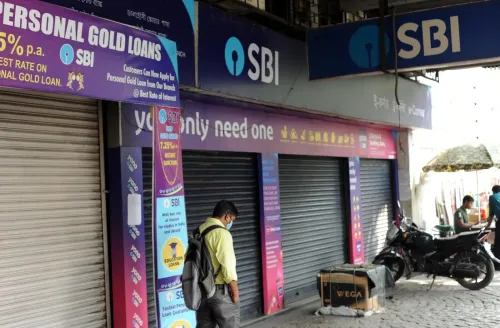
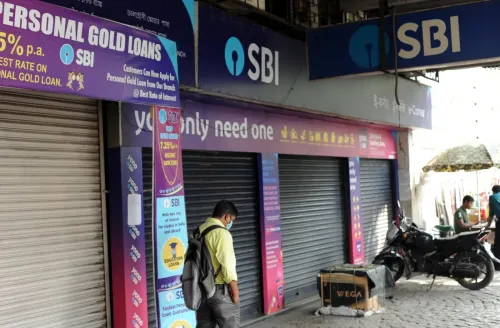
The timing of the strike compounds its potential impact significantly. Since 26 and 27 September fall on a weekend, the three-day strike that follows could effectively create a five-day stretch — from Saturday through Tuesday — during which customers may have no access to normal weekday branch operations. SBI has flagged this extended window as a key reason to transact early. Notably, this is at least the second major strike disruption customers have faced within the same month.
Services That May Be Affected
SBI cautioned that services requiring physical branch visits — including document verification, cheque-related processes, and other in-person procedures — could experience delays or be unavailable if a large share of staff participates in the strike. The bank said it is taking steps to maintain essential services but stopped short of guaranteeing full branch availability.
Alternatives SBI Is Promoting
To minimise disruption, SBI has directed customers to use alternative channels. For cash needs, customers are encouraged to visit Automated Teller Machines (ATMs) and Automated Deposit and Withdrawal Machines (ADWMs). Select services will also be available at Customer Service Points (CSPs). For routine transactions, the bank highlighted its full suite of digital platforms — internet banking, mobile banking, YONO, and Unified Payments Interface (UPI) — as viable options for fund transfers, payments, and day-to-day banking without a branch visit.
What Customers Should Do Now
SBI's core message is to act before 25 September 2026 — the last working day before the combined weekend-and-strike window. Transactions involving physical documentation, large cash withdrawals or deposits, account-related formalities, or any process that cannot be completed digitally should be prioritised this week. As the October 26 continuous strike looms further ahead, customers may want to stagger any medium-term banking needs accordingly.
Point of View
With a continuous strike from October 26 waiting in the wings. What mainstream coverage tends to underplay is the compounding calendar effect: weekend plus strike creates a five-day blackout that disproportionately hits the elderly, rural account holders, and small businesses that still depend on branch counters. SBI's advisory to use YONO and UPI, while practical for urban users, sidesteps the digital access gap that remains real in semi-urban and rural India. The deeper question is whether the Centre and the Indian Banks' Association will engage the UFBU substantively before October — or let the disruption cycle repeat.
NationPress
20 Sept 2026
Frequently Asked Questions
When is the bank strike in September 2026?
The UFBU has called a three-day nationwide bank strike from 28 to 30 September 2026 . Combined with the weekend of 26–27 September, customers could face a five-day window of disrupted branch operations.
Why has SBI issued an advisory for the bank strike?
SBI issued the advisory on 20 September 2026 to give customers enough time to complete critical branch-based transactions before potential disruptions hit. Branch services relying on staff presence — such as document verification and cheque processing — may be affected if employee participation is high.
Which banking services will be affected during the UFBU strike?
Services requiring physical branch visits — including document verification, cheque-related processes, and in-person account formalities — could be delayed or unavailable. Digital services such as YONO, mobile banking, internet banking, and UPI are expected to remain operational.
Is there another bank strike planned after September?
Yes. The UFBU has announced a continuous strike beginning 26 October 2026 as part of its ongoing agitation. This follows the September 11 strike and the 28–30 September action, indicating a sustained campaign.
What alternatives does SBI recommend during the strike?
SBI has advised customers to use ATMs , Automated Deposit and Withdrawal Machines (ADWMs) , Customer Service Points (CSPs) , and digital platforms including YONO , internet banking , mobile banking , and UPI for routine transactions that do not require a branch visit.