Saudi pact may drag Pakistan into Middle East war, analysts warn
Synopsis
Pakistan signed a defence pact with Saudi Arabia expecting economic gains and limited military risk — but the collapse of a Saudi-Houthi truce, Iranian missile strikes on Gulf states, and the expansion of the deal into a trilateral 'Mecca Joint Defence Agreement' with Turkey have upended those assumptions. With thousands of Pakistani troops already in Saudi Arabia and an 'attack on one is an attack on all' clause now in play, Islamabad faces a crisis it reportedly did not anticipate.
Key Takeaways
Pakistan signed a defence pact with Saudi Arabia last September , committing to train Saudi forces and defend the kingdom in exchange for billions of dollars in investments and loans.
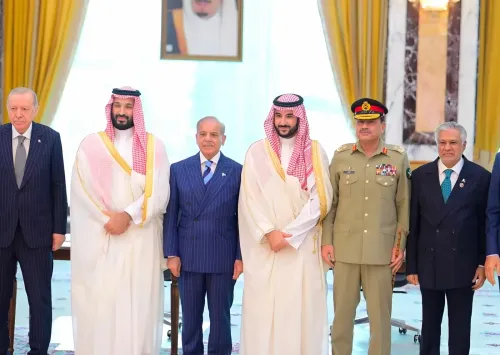
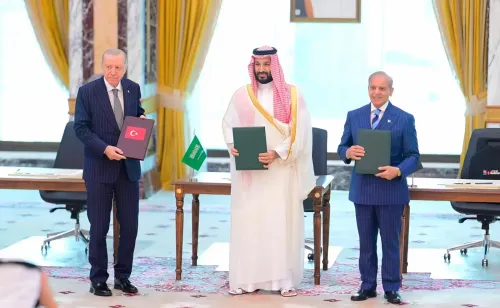
The pact was expanded in August to include Turkey and renamed the Mecca Joint Defence Agreement , with a mutual-defence clause.
The fragile Saudi-Houthi truce collapsed after Houthi territorial gains and drone strikes on Saudi Arabia , reigniting full-scale hostilities.
Defence analyst Ayesha Siddiqa said Asim Munir may not have properly calculated the regional threats Pakistan could be drawn into.
Pakistan has received $8 billion from Saudi Arabia in funds and investments, deepening its economic dependence on Riyadh.
Opposition senator Raja Nasir Abbas warned that Pakistani involvement in the conflict would be 'a disaster for the country.'
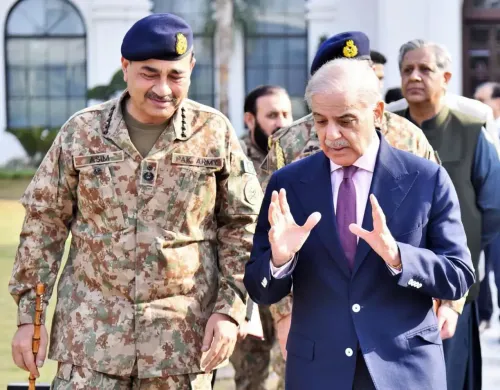
Pakistan's defence commitments to Saudi Arabia could draw Islamabad deeper into the escalating Middle East conflict, placing mounting pressure on army chief Field Marshal Asim Munir as hostilities between Riyadh and Iran-backed Houthi rebels in Yemen intensify, according to a report by The Guardian.
Origins of the Defence Pact
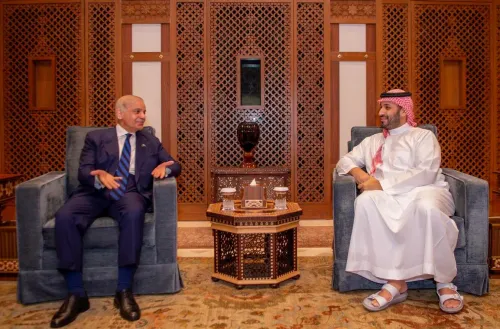
The arrangement initially appeared to be a straightforward strategic gain for Pakistan. Field Marshal Munir was present in Riyadh last September for the signing of the defence agreement with Saudi Crown Prince Mohammed bin Salman. Under its terms, Saudi Arabia would provide Pakistan with billions of dollars in investments and loans, while Pakistan would train Saudi forces and defend the kingdom in the event of an attack.
Analysts reportedly believed at the time that improving US-Iran relations would limit the risk of a wider regional conflict. However, that calculus changed after the US and Israel began bombing Iran, followed by Iranian missile strikes on Gulf states including Saudi Arabia.
How the Conflict Expanded
The escalation reignited Saudi Arabia's confrontation with the Houthis, the Iran-backed rebel group in Yemen. According to the report, a fragile Saudi-Houthi truce collapsed after the Houthis made territorial gains in Yemen and launched drone and missile strikes against Saudi territory. Riyadh responded with airstrikes on Yemen, raising concerns that a full-scale conflict could return.
The stakes for Pakistan escalated further in August when the Saudi defence pact was expanded to include Turkey and renamed the Mecca Joint Defence Agreement. Under this trilateral arrangement, an armed attack on any one of the three signatories would be treated as an attack on all three — a clause that could compel Pakistani military action if Saudi Arabia invokes the pact against the Houthis.
Analyst and Opposition Warnings
Defence analyst Ayesha Siddiqa was quoted in the report as saying: 'I don't think Asim Munir properly calculated the threats the region was facing - and that Pakistan might need to put its troops on the line quite so soon.'
Opposition senator Raja Nasir Abbas issued a stark warning: 'It will be a disaster for the country if Pakistan jumps into war.' He noted that Pakistan was already grappling with two lethal insurgencies, a struggling economy, and rising inflation.
Analysts cited in the report said that if Saudi Arabia activates the Mecca pact against the Houthis, Pakistan could face pressure to deploy troops — including thousands of personnel already stationed in Saudi Arabia for training purposes.
Pakistan's Strategic Dilemma
The report highlighted Pakistan's deep economic dependence on Saudi Arabia, which has recently provided Islamabad with $8 billion in funds and investments. At the same time, officials in Pakistan are reportedly concerned about being drawn into a broader conflict.
Pakistan shares a border with Iran and faces its own security pressures, including militancy and instability along its frontiers. Any direct Pakistani involvement against the Houthis could be perceived as Islamabad taking a clear position against Tehran, potentially triggering regional and domestic complications. The report also noted that a Houthi drone was intercepted south of Mecca before it could enter the holy city's prohibited airspace, underscoring how close the conflict has come to Saudi Arabia's most sensitive territory.
Broader Regional Context
The wider Middle East conflict continues to spread, with the war involving Iran, Saudi Arabia, and the Houthis emerging as a significant front. Attacks have threatened energy infrastructure and regional shipping lanes, raising the economic and geopolitical stakes for all parties. For Pakistan, the convergence of military obligations, economic dependency, and border vulnerabilities presents a strategic dilemma that Islamabad is reportedly struggling to navigate.
Point of View
Now covering Turkey as well, is not a deterrent in the abstract; it is a potential tripwire. What is striking is how quickly the strategic environment shifted: from a US-Iran rapprochement assumption to Iranian missile strikes on Gulf states in a matter of months. Pakistan's position — economically beholden to Riyadh, border-sharing with Tehran, and fighting two domestic insurgencies — is not one that leaves room for clean choices. Munir may be discovering that bilateral defence commitments made in relative calm rarely stay bilateral when a region is at war.
NationPress
20 Sept 2026
Frequently Asked Questions
What is the Mecca Joint Defence Agreement involving Pakistan?
The Mecca Joint Defence Agreement is an expanded defence pact signed by Pakistan, Saudi Arabia, and Turkey, under which an armed attack on any one of the three countries is treated as an attack on all three. It evolved from an earlier bilateral Saudi-Pakistan defence arrangement signed last September and was expanded in August to include Turkey.
Why could Pakistan be drawn into the Middle East conflict?
Pakistan's defence pact with Saudi Arabia obligates it to defend the kingdom in the event of an attack. As Saudi Arabia's confrontation with Iran-backed Houthi rebels in Yemen has intensified — including drone strikes on Saudi territory — analysts warn that Riyadh could invoke the pact and pressure Pakistan to deploy troops.
What economic stakes does Saudi Arabia hold over Pakistan?
Saudi Arabia has recently provided Pakistan with $8 billion in funds and investments, making Islamabad economically dependent on Riyadh. This financial leverage could make it harder for Pakistan to resist Saudi pressure for military support if the conflict escalates.
What are the risks for Pakistan of opposing the Houthis?
Pakistan shares a border with Iran, the principal backer of the Houthi rebels. Any Pakistani military action against the Houthis could be seen as Islamabad taking a direct position against Tehran, potentially destabilising an already sensitive border relationship and triggering domestic political and sectarian complications.
What have Pakistani analysts and opposition leaders said about the pact?
Defence analyst Ayesha Siddiqa said army chief Asim Munir may not have 'properly calculated' how soon Pakistan might need to put troops on the line. Opposition senator Raja Nasir Abbas warned it would be 'a disaster for the country' if Pakistan entered the war, citing existing insurgencies and economic fragility.