Pakistan's secret Saudi defence pact exposed amid Iran ceasefire talks
Synopsis
While Pakistan styled itself as a neutral host for US–Iran ceasefire negotiations in April 2025, leaked documents reportedly show it was simultaneously bound by a secret, parliament-bypassing mutual defence pact with Saudi Arabia — one that obligates Islamabad to defend Riyadh in war, but not vice versa against India. The contradiction, now public, may redefine how Pakistan's diplomatic role in West Asia is read.
Key Takeaways
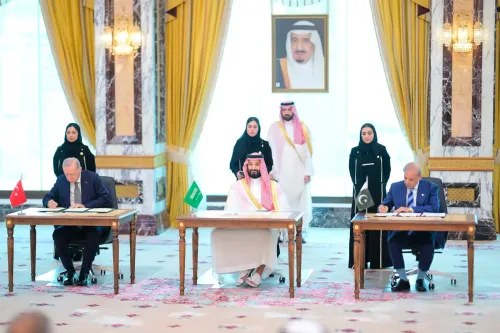
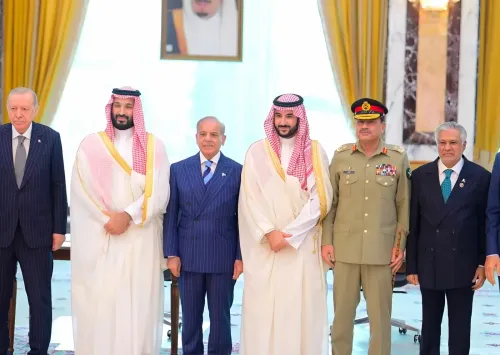
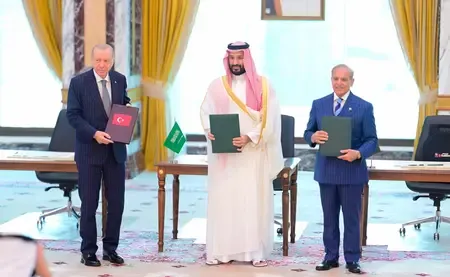
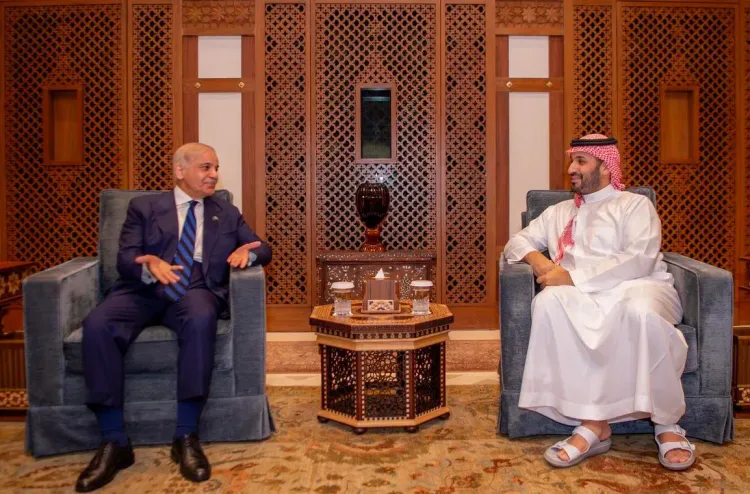
Leaked documents reveal a 2025 Strategic Mutual Defence Agreement (SMDA) between Pakistan and Saudi Arabia , signed by Crown Prince Mohammed bin Salman and PM Shehbaz Sharif .
The pact was reportedly never presented to Pakistan's parliament and was unknown to the public before the investigation.
The agreement is reportedly asymmetrical: Pakistan is obligated to defend Saudi Arabia , but the reverse commitment — especially against India — is not meaningful.
Saudi Arabia publicly confirmed Pakistani military forces and aircraft at King Abdulaziz Air Base even as Pakistan claimed neutrality during US–Iran talks in April 2025 .
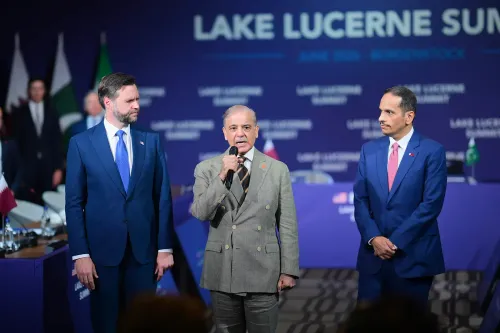
The timing of the Saudi announcement — while US Vice President JD Vance was in Islamabad — drew immediate international scrutiny.
Neither Pakistan nor Saudi Arabia has officially confirmed or denied the leaked documents' contents.
Pakistan's claim of neutrality during the US–Iran ceasefire talks hosted in Islamabad in April 2025 has come under sharp scrutiny after leaked documents reportedly revealed a classified mutual defence agreement binding Islamabad to potentially defend Saudi Arabia in the event of war — an arrangement never placed before Pakistan's parliament.
What the Leaked Documents Reveal
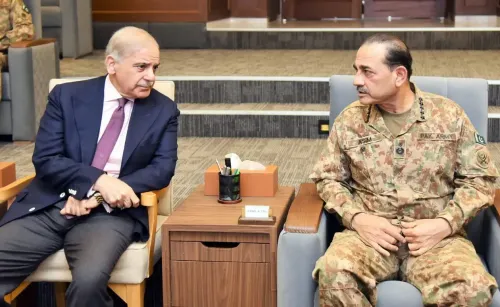
According to an investigation by Drop Site News, cited by Maldivian media outlet Etruth MV, the 2025 Strategic Mutual Defence Agreement (SMDA) was signed by Saudi Crown Prince Mohammed bin Salman and Pakistani Prime Minister Shehbaz Sharif. The pact states that 'any aggression against either country shall be considered an aggression against both.'
Critically, the leaked documents and internal assessments reportedly suggest the agreement is asymmetrical. Pakistan is obligated to defend Saudi Arabia, but Saudi Arabia is not meaningfully committed to defending Pakistan — particularly against India, which Islamabad regards as its primary strategic rival.
The Moment the Contradiction Surfaced
The contradictions came into public view in April 2025, when Pakistan was hosting high-stakes negotiations between American envoys and Iranian diplomats. Even as Islamabad projected itself as a neutral mediator and announced a two-week regional pause in hostilities, Riyadh publicly confirmed the arrival of Pakistani military forces and aircraft at King Abdulaziz Air Base in Saudi Arabia under the terms of a defence agreement.
The timing was particularly pointed: the Saudi announcement came while US Vice President JD Vance was engaged in talks with Iranian officials in Islamabad. Pakistan issued no corresponding statement, but the disclosure immediately cast doubt on its mediator credentials.
Why Pakistan's Neutrality Is Now in Question
The SMDA, according to the leaked documents, was never presented to Pakistan's parliament and remained largely unknown to the public before the Drop Site investigation. Critics argue this raises serious questions about democratic oversight of Pakistan's foreign and defence commitments.
Analysts note that the pact places Pakistan in a structurally difficult position: it cannot credibly serve as a neutral broker between Washington and Tehran while simultaneously bound by a defence obligation to Riyadh — a key US partner and Iran's principal regional rival. The revelation, according to the investigation, 'fundamentally reshaped the context of the Islamabad talks.'
Broader Strategic Implications
The Drop Site findings suggest Pakistan's relationship with Saudi Arabia is considerably deeper and more binding than publicly acknowledged. The SMDA's obligations could, in certain conflict scenarios, directly conflict with Pakistan's stated diplomatic posture, its domestic political constraints, and its regional security calculus.
This is not the first time Pakistan's dual commitments have drawn scrutiny — Islamabad has historically maintained close military ties with Gulf states while also engaging diplomatically with Iran. However, a formalised, classified mutual defence pact of this scope represents a qualitative escalation of those ties.
What Comes Next
Neither the Pakistani government nor Saudi authorities have officially confirmed or denied the contents of the leaked documents. Pakistan's parliament has not been briefed on the SMDA, according to the investigation, leaving the agreement's democratic legitimacy unresolved. Further disclosures from the Drop Site investigation are expected to keep pressure on Islamabad to clarify the precise scope of its defence commitments.
Point of View
If authentic, represents a structural trap of Pakistan's own making. Islamabad has long tried to balance its Gulf dependencies against its need for diplomatic flexibility — but a classified mutual defence pact with Riyadh is a different order of commitment. The asymmetry is the sharpest detail: Pakistan defends Saudi Arabia, Saudi Arabia does not defend Pakistan against India. That is not an alliance; it is a liability dressed as one. The fact that parliament was bypassed compounds the problem — it means Pakistan's civilian leadership may have handed its military a foreign commitment with no domestic mandate, precisely the dynamic that has historically weakened civilian authority in Islamabad.
NationPress
13 Oct 2026
Frequently Asked Questions
What is the 2025 Strategic Mutual Defence Agreement between Pakistan and Saudi Arabia?
The 2025 Strategic Mutual Defence Agreement (SMDA) is a reportedly classified defence pact signed by Saudi Crown Prince Mohammed bin Salman and Pakistani Prime Minister Shehbaz Sharif, stating that any aggression against either country shall be considered an aggression against both. According to leaked documents cited by Drop Site News, it was never presented to Pakistan's parliament and obligates Pakistan to potentially defend Saudi Arabia in the event of war.
How did the secret pact come to light?
The pact surfaced during US–Iran ceasefire talks hosted by Pakistan in April 2025, when Saudi Arabia publicly announced the deployment of Pakistani military forces and aircraft at King Abdulaziz Air Base. The disclosure, made while US Vice President JD Vance was in Islamabad, prompted an investigation by Drop Site News, whose findings were subsequently reported by Maldivian outlet Etruth MV.
Why does this undermine Pakistan's claim of neutrality?
Pakistan was presenting itself as a neutral mediator between Washington and Tehran during the April 2025 talks, even announcing a two-week regional pause in hostilities. The existence of a mutual defence pact with Saudi Arabia — Iran's principal regional rival — directly contradicts that posture, raising questions about whether Islamabad could genuinely broker an impartial agreement.
Is the defence pact symmetrical — does Saudi Arabia also defend Pakistan?
According to the leaked documents and internal assessments cited in the investigation, the pact is asymmetrical. Pakistan is obligated to defend Saudi Arabia, but Saudi Arabia is not meaningfully committed to defending Pakistan, particularly against India, which Islamabad considers its primary strategic rival.
Has Pakistan's government responded to the leaked documents?
Neither the Pakistani government nor Saudi authorities have officially confirmed or denied the contents of the leaked documents as of the latest reports. Pakistan's parliament has not been briefed on the SMDA, according to the investigation, leaving the agreement's scope and democratic legitimacy unresolved.