Japan Cricket COO pulls covers, pitches tents ahead of historic India T20I in Sano
Synopsis
Japan Cricket's COO is personally pulling pitch covers and erecting tents to get Sano ready for Tuesday's first-ever Japan vs India T20I — a match that sold out instantly, doubled the ground's capacity, and forced the JCA to hire a World Cup security consultant from England, all while a typhoon looms with no reserve day.
Key Takeaways
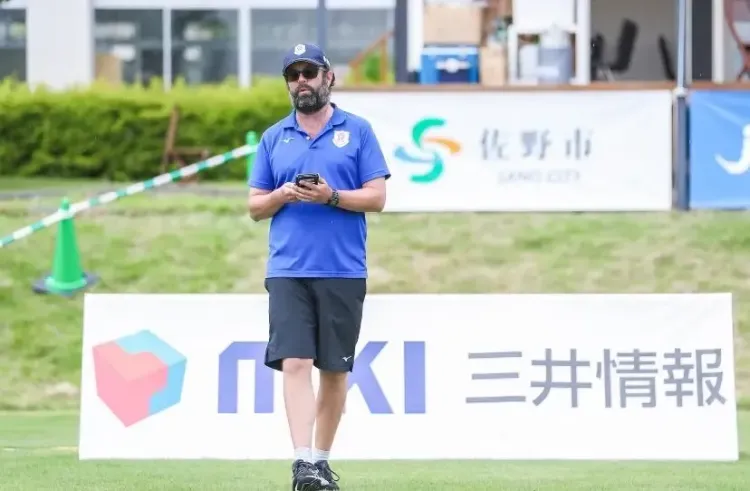
JCA COO Alan Curr has been personally pulling covers, putting up tents, and scoring to prepare Sano International Cricket Ground for Tuesday's India T20I .
Ground capacity has been expanded from 500 to 2,000 via temporary stands; all tickets sold out shortly after going on sale.
The JCA brought in a consultant from England with ICC World Cup and The Hundred experience to manage security for India's visit.
A large typhoon south of Japan poses a washout risk; there is no reserve day for the fixture.
Japan now has 8,800 registered cricketers — roughly three times the 3,000 figure when Curr joined in 2014 ; the Japan Cup T20 has grown from 11–12 to more than 80 teams.
Japan's long-term goal is a T20 World Cup appearance, targeting the East Asia Pacific qualifier in the second half of next year.
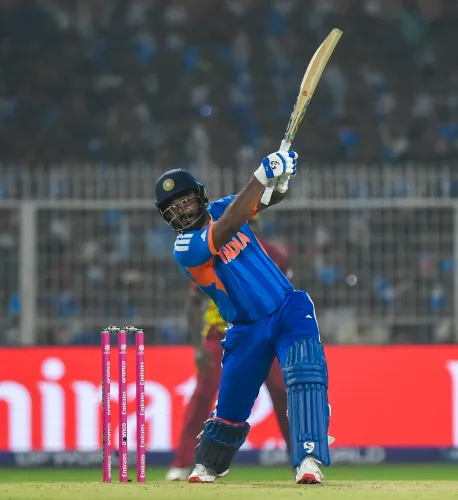
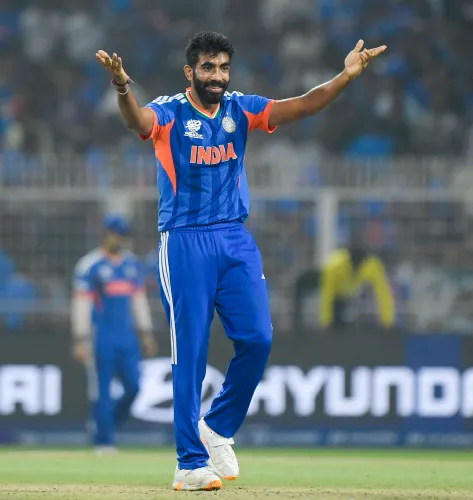
Japan Cricket Association (JCA) Chief Operating Officer Alan Curr has been spending his pre-match hours doing anything but executive work — pulling pitch covers, erecting tents, and running scoreboards — as his lean team races to make Sano International Cricket Ground match-ready for Tuesday's historic one-off men's T20I against India, billed as the Suzuki Cup. The contest marks the first time Japan will face India at this level, and the scale of preparation required has tested every corner of the small organisation.
An All-Hands Operation at Sano
'It's been a big learning curve, and we're a small team. We don't have a lot of staff here at the JCA. I'm COO, but this morning I was pulling the covers. I've also been putting up tents, scoring and doing sort of everything. So we're all doing a lot of different things that we don't normally do,' Curr said in a select virtual interaction organised by FanCode, the match's official broadcaster.
The physical transformation of the ground tells the story. Sano International Cricket Ground ordinarily holds around 500 spectators in permanent seating, but temporary stands have pushed capacity to 2,000. Dedicated ticketing gates, a formal players' entry corridor, a VIP zone, and a VVIP area have all been installed — infrastructure the JCA has never previously needed. All tickets sold out shortly after going on sale.
Security Upgrade and Expert Help from England
Recognising that an India visit demands a different security standard, the JCA brought in a consultant from England — who arrived the day before the interview — with experience at ICC World Cups, The Hundred, and previous India-tour events. 'He's got a good understanding from a cricketing point of view of what security measures we need to take. So we are taking all of this stuff very seriously, and it's really important for us to show that we have the capacity to handle something like this,' Curr said.
The venue's Player and Match Officials Area (PMOA) — previously marked by little more than cones and barriers — has been properly fenced and secured to meet the standard India's visit requires. The match follows a busy week at Sano, which hosted a three-match women's series between Japan and Malaysia and then men's games involving Hong Kong.
Weather Threat and a Packed Onward Schedule
There is one variable beyond Curr's control: weather. A large typhoon was reported to be sitting south of Japan at the time of the interaction, and there is no reserve day built into the fixture. Both sides have demanding commitments immediately afterwards — Japan's squad is set to board a bus for Nagoya, roughly 500 km away, straight after the game to compete in their first Asian Games men's T20 match, while India are also heading to Nagoya shortly after.
'We are trying not to think about a washout,' Curr acknowledged. The JCA had been planning to relay the turf square in Sano for approximately 18 months. A groundsman sent by Sri Lanka Cricket (SLC) under a partnership arrived in December 2024 to identify suitable clay, which was eventually sourced within Japan and used for the Asian Games square in Nagoya before being replicated at Sano.
How the India Fixture Came Together
The pathway to the match began with an idea shaped by the 2023 Asian Games in Hangzhou, China, where top-ranked full members spent over a week with limited access to proper facilities before knockout matches. The JCA pitched Sano as a training base, sending a proposal around June. Talks with the Board of Control for Cricket in India (BCCI) formally began at the ICC conference in Edinburgh in July. 'The BCCI moved quickly, and all things fell in place,' Curr said.
For Japan, success is not solely measured in runs and wickets. Curr said he wants his team to play hard while demonstrating that cricket is friendly, accessible, and fun — earning respect on a stage where the gulf in class is openly acknowledged. 'We've never faced India before at this level,' he noted, adding that the players are under no illusion about the challenge ahead.
Japanese Cricket's Rapid Rise: By the Numbers
Japan now has 8,800 registered cricketers — roughly three times the 3,000 recorded when Curr arrived in 2014. The nationwide Japan Cup T20 competition has grown from 11–12 teams to more than 80. The Tokyo-based 40-over Japan Cricket League runs across four divisions with around 37–38 teams. The JCA also introduced cricket to approximately 12,000 children last year through schools, community programmes, and festivals.
Joining the Asian Cricket Council (ACC) in 2024 has opened competitive doors that did not exist before, while Olympic recognition through the Japan Olympic Committee has unlocked resource support — including a strength and conditioning coach and a part-time analyst — that the JCA previously lacked. Being part of the Asian Games, an event Japanese audiences place alongside the Olympics, has given cricket a legitimacy it previously struggled to earn in a landscape dominated by baseball, football, rugby, and martial arts.
Looking ahead, Curr said Japan is targeting the East Asia Pacific regional final and then the global qualifier, with a T20 World Cup appearance as the organisation's stated long-term goal. He noted that under the previous qualification structure, Japan would have made the most recent World Cup — a fact the JCA views as motivation rather than grievance as they push toward the next cycle.
Point of View
But it points to a structural gap: associate cricket remains chronically under-resourced even as the ICC expands its event calendar. Japan is being asked to host India — arguably the world's biggest cricket draw — with a team that, until recently, had no games to play between seasons. The BCCI's swift engagement with a minnow is welcome, but the real accountability question is whether the ICC's revenue distribution model will ever give JCAs of the world the staff, facilities, and scheduling certainty they need before hosting, not after. Japan's growth to 8,800 registered cricketers is genuinely impressive, but one enthusiastic COO cannot be the load-bearing pillar of a national association for much longer.
NationPress
20 Sept 2026
Frequently Asked Questions
When and where is the Japan vs India T20I being played?
The one-off men's T20I, billed as the Suzuki Cup, is being played on Tuesday at Sano International Cricket Ground in Japan. It is the first time the two nations will meet at this level.
Why has the JCA expanded Sano's capacity for the India match?
Demand far exceeded the ground's permanent capacity of around 500. The JCA installed temporary stands to raise the limit to 2,000, along with ticketing gates, VIP and VVIP areas, and a secure players' entry corridor — all firsts for the venue. All tickets sold out shortly after going on sale.
What is the typhoon risk for the Japan vs India match?
JCA COO Alan Curr confirmed a large typhoon was sitting south of Japan around match week and there is no reserve day built into the schedule. A washout would mean no result, as both teams have commitments in Nagoya immediately after the game.
How has Japanese cricket grown in recent years?
Japan now has 8,800 registered cricketers — roughly triple the 3,000 figure from 2014 — and the Japan Cup T20 competition has expanded from 11–12 to more than 80 teams. The JCA introduced cricket to around 12,000 children in a single year through schools, community programmes, and festivals.
What is Japan's next big cricket target after the India T20I?
Japan is aiming to qualify for the T20 World Cup, with an East Asia Pacific regional final expected in the second half of next year feeding into a global qualifier believed to be scheduled for early 2027. Curr said qualifying for a World Cup is the organisation's stated long-term goal.