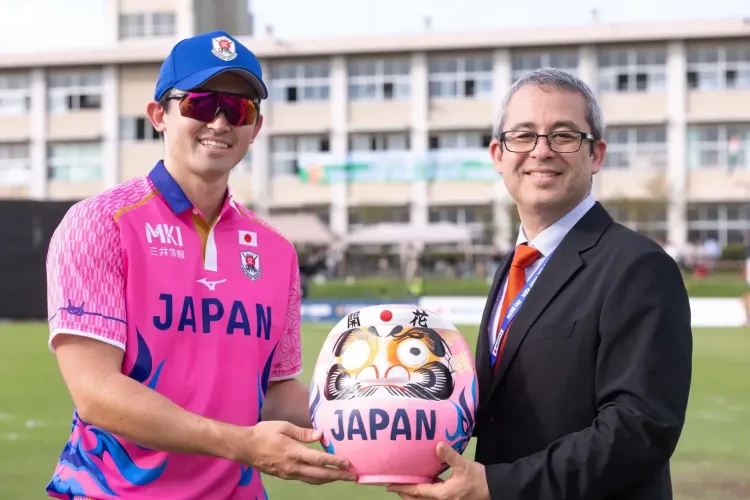
Japan skipper Kadowaki-Fleming: India T20I clash was a massive learning curve
Synopsis
Japan pushed the T20 World Cup holders India to the wire — losing by just two runs in a rain-reduced five-over thriller before a record crowd of 2,149 at Sano. Captain Kadowaki-Fleming's call for nationwide grassroots programmes signals that Japan cricket is treating this landmark fixture not as a one-off, but as the starting gun for a serious development push.
Key Takeaways
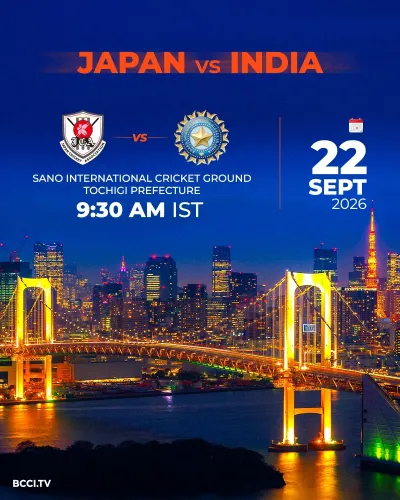
Japan lost to India by just two runs in a rain-reduced five-over T20I at Sano International Cricket Ground , Tochigi Prefecture .
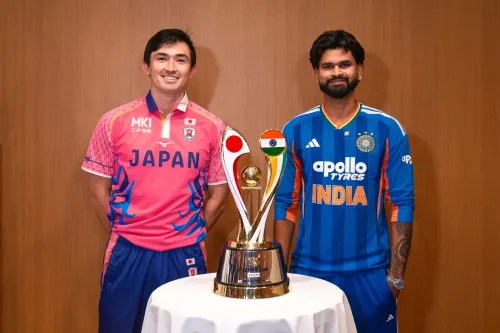
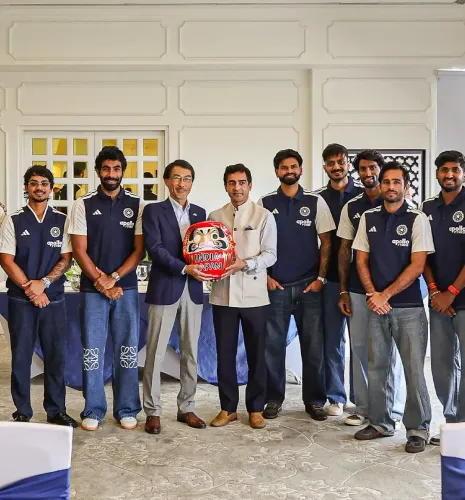
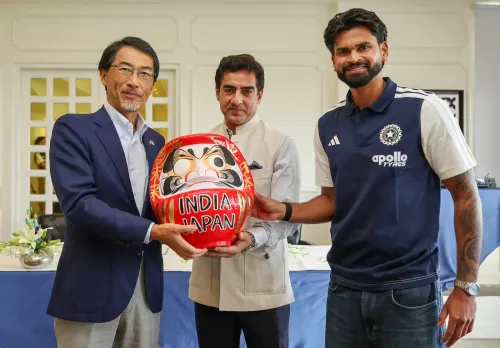
The match was the first-ever international cricket fixture between India and Japan on Japanese soil, marking the 75th anniversary of bilateral diplomatic relations.
A record crowd of 2,149 spectators attended — the highest-ever attendance for a cricket match in Japan.
The game drew over two million views across official online streams in English and Japanese.
Captain Kendel Kadowaki-Fleming called for urgent expansion of grassroots cricket programmes across Japan to bridge the gap with elite nations.
Head coach Dhugal Bedingfield praised the squad's adaptability and expressed confidence in the programme's future growth.
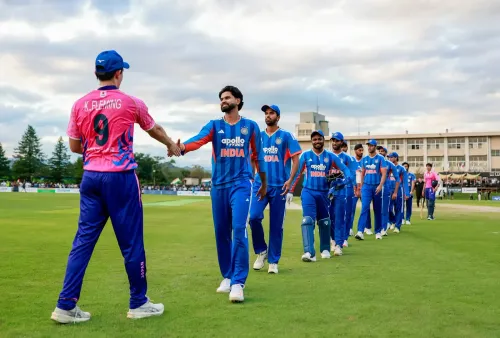
Japan captain Kendel Kadowaki-Fleming has reflected on his side's historic T20I encounter against India — the reigning T20 World Cup holders — calling it a massive learning curve and praising his team's composure against one of the world's top cricket nations. Speaking after the commemorative match held at the Sano International Cricket Ground in Tochigi Prefecture, Kadowaki-Fleming said Japan must now urgently expand grassroots programmes nationwide to close the gap with elite cricketing nations.
A Historic First on Japanese Soil
The match, organised by the Japan Cricket Association (JCA), marked the first time India had ever played international cricket on Japanese soil. It was staged as part of celebrations for the 75th anniversary of diplomatic relations between Japan and India. Tickets sold out within hours, and the game drew a record attendance of 2,149 spectators — the highest-ever crowd for a cricket match in Japan. The fixture also logged over two million views across official online streams in both English and Japanese.
A Thriller Decided by Two Runs
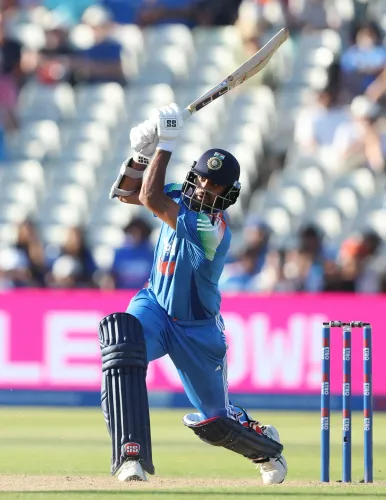
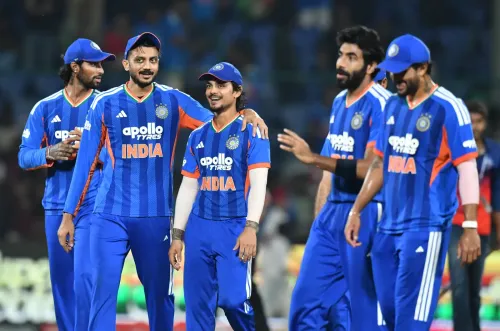
Rain significantly curtailed the contest, reducing it to a five-overs-per-innings affair. Japan restricted India to 32 for 4, setting up a tight chase — only to fall short by just two runs. Despite the narrow defeat, the performance drew widespread admiration and underscored Japan's rapid development as a cricketing nation.
'Despite the ranking gap between India and Japan, we were able to play with confidence throughout the match and challenge them. Although we unfortunately lost this time, we want to use today's experience to eventually beat top-ranked teams and aim higher,' Kadowaki-Fleming said in a statement released by the JCA.
The Grassroots Challenge
Kadowaki-Fleming pointed to India's deeply embedded cricket culture as a key differentiator. 'A major difference lies in the educational programmes; India has an environment where cricket is played everywhere,' he said. 'For us in Japanese cricket, the challenge is to expand awareness of the sport not just in Sano, but across the country. I believe we need to create programmes that allow children to improve their skills.'
Coach Bedingfield Backs the Players
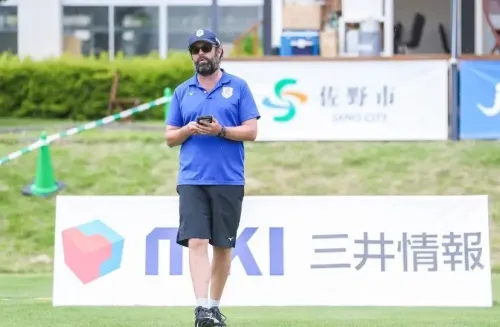
Japan head coach Dhugal Bedingfield echoed his captain's optimism, highlighting the adaptability shown by his squad — including younger players — against a side featuring the world's best batters and bowlers. 'It was an honour to play against a top-tier team featuring the world's best batters and bowlers. I believe we put up a good fight against them, and the players — including the younger ones — adapted well to the match situation. The players gained valuable experience from this game, so I am excited about the future. We will work hard to reach the next level,' Bedingfield said.
What This Means for Japan Cricket
This encounter arrives at a pivotal moment for cricket in Japan. The country has steadily climbed the global associate rankings, and hosting a full-strength Indian side — even in a commemorative format — provides a measurable benchmark for the programme. This is the kind of fixture that can galvanise sponsorship, school-level participation, and media coverage in a country where cricket remains a niche sport. Whether the JCA can convert this moment into structural growth will define the next chapter of Japanese cricket.
Point of View
On paper, a loss — but the framing from the Japanese camp tells a more consequential story. Kadowaki-Fleming's immediate pivot to grassroots infrastructure suggests Japan cricket's leadership understands that moments like this only compound in value if they trigger systemic change. The record crowd and two-million-plus streams are proof of latent demand; the harder question is whether the JCA can convert that into school programmes, domestic leagues, and sustained funding before the moment fades. Associate cricket is littered with countries that hosted a marquee fixture and saw no structural follow-through.
NationPress
25 Sept 2026
Frequently Asked Questions
What happened in the Japan vs India T20I match?
Japan lost to India by just two runs in a rain-reduced five-over-per-innings T20I played at the Sano International Cricket Ground in Tochigi Prefecture. Japan restricted India to 32 for 4 but fell agonisingly short in the chase.
Why was the Japan vs India T20I match historic?
It was the first time India had ever played international cricket on Japanese soil. The match was organised by the Japan Cricket Association to commemorate the 75th anniversary of diplomatic relations between Japan and India.
What was the attendance at the Japan vs India cricket match?
A record 2,149 spectators attended the match at Sano International Cricket Ground — the highest-ever crowd for a cricket match in Japan. The fixture also recorded over two million views on official online streams.
What did Japan captain Kadowaki-Fleming say after the match?
Kadowaki-Fleming said the match was a massive learning curve and praised his side's confidence against a top-ranked opponent. He also called for an urgent expansion of grassroots cricket programmes across Japan to help close the gap with elite cricketing nations.
Who is Japan's cricket head coach and what did he say?
Japan's head coach is Dhugal Bedingfield, who praised the players' adaptability against a world-class Indian side. He said the experience — especially for younger players — would accelerate the team's growth and expressed excitement about Japan cricket's future.