CM Yogi Orders Pre-Festival Pay for Anganwadi, Outsourced Staff

Synopsis
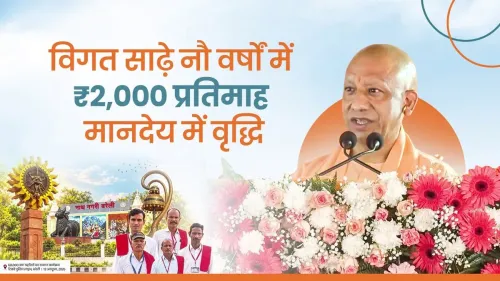
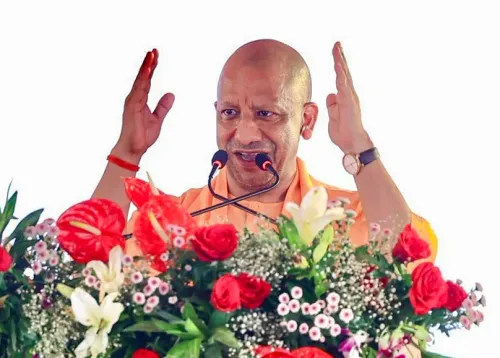
Chief Minister Yogi Adityanath has directed that honorariums for outsourced personnel and Anganwadi workers in Uttar Pradesh be mandatorily credited to their bank accounts before the upcoming festival season, continuing a pattern of pre-festival payment orders since 2017.
Key Takeaways
CM Yogi Adityanath issued a directive on 4 November 2026 ordering pre-festival payment of honorariums to Anganwadi workers and outsourced government staff in Uttar Pradesh .
Anganwadi workers operate under the Integrated Child Development Services (ICDS) scheme, delivering nutrition, health, and early childhood services at the village level.
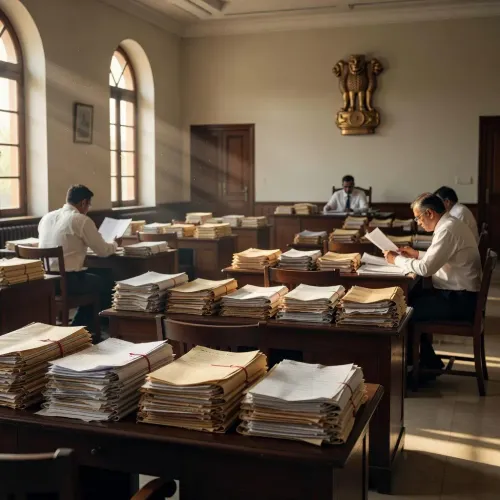
Outsourced personnel are contractual staff employed through third-party agencies across UP government departments.
The directive continues a practice of festival-timed payment orders that the UP government has followed since 2017 .
Compliance will be tracked through district-level fund-transfer reports across UP's 75 districts .
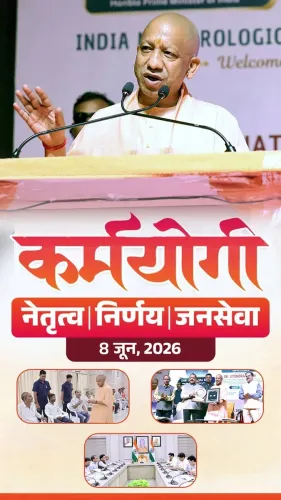
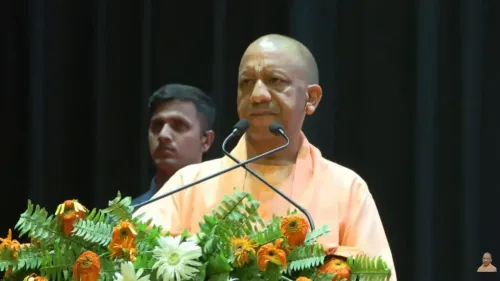
Before the festive season arrives, Chief Minister Yogi Adityanath has made one thing non-negotiable: every outsourced government worker and every Anganwadi functionary in Uttar Pradesh must see their honorarium land in their bank account — no delays, no exceptions. The directive, issued by the Chief Minister's Office of Uttar Pradesh on Wednesday, 4 November 2026, carries the CM's personal authority behind it.
The order, posted in Hindi on the official CMO handle, states: 'Aautsors karmikon evam Aanganwadi kaaryakartriyon ka maandey tyohaar se poorv anivarya roop se unke khaaton mein antrit kiya jaae' — ('The honorarium of outsourced personnel and Anganwadi workers must mandatorily be transferred to their accounts before the festival.')Who Gets Paid — and Why It Matters
Anganwadi workers are the backbone of India's Integrated Child Development Services (ICDS) scheme, delivering nutrition support, health monitoring, and early childhood education at the village level across Uttar Pradesh — the country's most populous state. Outsourced personnel are contractual staff hired through third-party agencies across dozens of government departments. Both categories occupy the lowest rungs of public service, often waiting weeks or months for payments that formal employees receive automatically. For these workers, a delayed honorarium is not an inconvenience. It is a family crisis. The CM's intervention, arriving ahead of the festive season, is a direct acknowledgement of that reality.A Pattern That Goes Back to 2017
This is not a one-off gesture. Since Yogi Adityanath first took office in 2017, the Uttar Pradesh government has repeatedly issued festival-timed directives ordering district administrations to clear pending dues for Anganwadi and contractual workers. The pattern reflects a deliberate administrative rhythm — using the moral urgency of festive seasons to enforce compliance that routine bureaucratic cycles sometimes fail to deliver. Such orders travel from the Chief Minister's Office down to district magistrates, who are expected to confirm fund transfers and report compliance. Whether that compliance is uniform across UP's 75 districts is the real test every time such a directive is issued.The Stakes for District Administrations
An order bearing the CM's name is not advisory — it is a signal to every district collector that accountability is live. District-level compliance reports and any subsequent review meetings chaired by the Chief Minister or Chief Secretary will determine whether the directive moves beyond a headline into actual disbursements. For roughly 1.9 lakh Anganwadi workers spread across Uttar Pradesh — a figure that makes UP's ICDS network among the largest in any single Indian state — the difference between a directive and delivery is measured in days, not policies.The countdown to the festival has started. The orders are out. Now the districts must deliver.
Point of View
The government makes district non-compliance politically costly rather than merely procedural. The focus on Anganwadi workers is also strategically significant — ICDS frontline staff are a large, visible, and politically attentive constituency in rural UP. The real test of this order's substance, however, lies not in Lucknow but in whether district administrations execute transfers uniformly before the deadline, or whether it remains a well-intentioned directive that partial implementation quietly dilutes.
NationPress
4 Nov 2026
Frequently Asked Questions
What has CM Yogi Adityanath ordered regarding Anganwadi workers?
CM Yogi Adityanath has ordered that the honorariums of Anganwadi workers and outsourced government personnel in Uttar Pradesh must be mandatorily transferred to their bank accounts before the upcoming festival.
Who are Anganwadi workers in Uttar Pradesh?
Anganwadi workers are frontline functionaries under the Integrated Child Development Services (ICDS) scheme. They deliver nutrition support, health monitoring, and preschool education at the village level across Uttar Pradesh.
What is the ICDS scheme in India?
The Integrated Child Development Services (ICDS) is a central government scheme that provides nutrition, healthcare, and early childhood education to children under six and to pregnant and lactating mothers, primarily through a network of Anganwadi centres.
Has the UP government issued such payment orders before?
Yes. Since 2017, the Uttar Pradesh government under Chief Minister Yogi Adityanath has repeatedly directed district administrations to clear pending honorariums for Anganwadi and contractual workers ahead of major festivals.
How many Anganwadi workers are there in Uttar Pradesh?
Uttar Pradesh has approximately 1.9 lakh Anganwadi workers, making it one of the largest ICDS networks in any single Indian state.