CM Yogi Orders Field Reviews, Tighter Budget Watch in UP
Synopsis
Chief Minister Yogi Adityanath has directed the UP Finance Department to monitor budget expenditure and report progress to the CM Office, while ordering all department heads to personally review development projects in the field, warning that funds are available but their effective use is departments' responsibility.
Key Takeaways
CM Yogi Adityanath directed the Uttar Pradesh Finance Department to regularly monitor budget expenditure and share progress with the CM Office.
All department heads and senior officers were told to personally conduct field reviews of ongoing development and infrastructure projects.
The CM assured that funds will not be withheld for development and welfare schemes.
He placed accountability for effective, transparent, and time-bound budget utilisation squarely on individual departments.
The directive continues a governance pattern established since 2017 , linking budget releases to physical progress on the ground.
Quarterly utilisation reports submitted to the CM Office will serve as the immediate accountability mechanism.
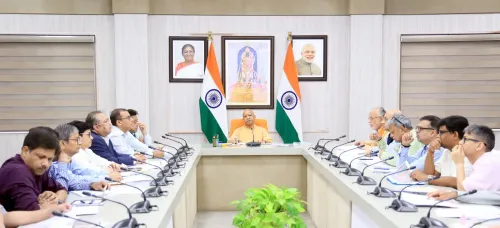
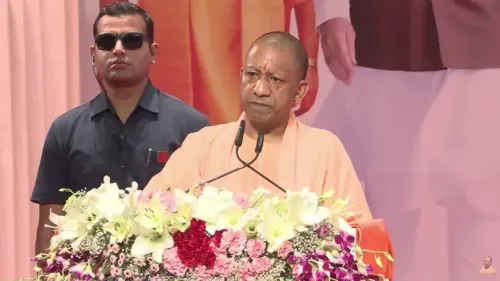
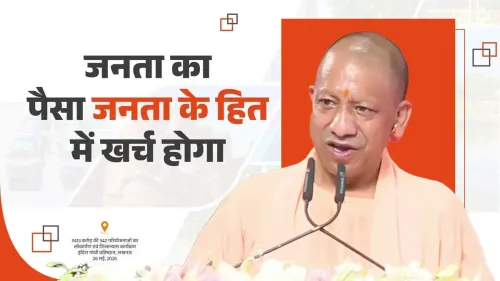
No funds will run dry for development — but every rupee must be spent effectively, transparently, and on time. That is the clear message Chief Minister Yogi Adityanath has sent to his entire bureaucracy in Uttar Pradesh, directing department heads to get off their desks and into the field to verify that welfare and infrastructure work is actually moving.
The Chief Minister's Office of Uttar Pradesh posted the directive on Sunday, 27 September 2026, outlining a three-part mandate: the Finance Department must monitor budget expenditure on a regular basis and report progress to the CM Office; all department heads and senior officers must personally conduct field reviews of ongoing development projects; and the government will guarantee funds for welfare and development schemes — provided departments ensure their effective, transparent, and time-bound utilisation.
In the CM's own words: 'Vikas aur jankalayn se judi yojanaon ke liye dhan ki kami nahin hone di jayegi, lekin uplabdh budget ka prabhavi, pardarshi aur samayabaddh upyog sunishchit karna sambandhadit vibhagon ki jimmedari hai' — ('Funds will not be allowed to fall short for development and welfare schemes, but ensuring effective, transparent, and time-bound use of the available budget is the responsibility of the concerned departments.')
A governance pattern built since 2017
This is not a one-off rebuke. Since March 2017, when Adityanath first took charge in Lucknow, the state administration has repeatedly linked budget releases to physical progress on the ground. Directives requiring senior officials to conduct field inspections have been issued at the start of multiple financial years — a deliberate attempt to close the gap between budget allocation and actual delivery.
Successive state budgets under this administration have carried an explicit zero-tolerance signal for unspent or diverted funds in welfare and infrastructure schemes. The underlying logic is straightforward: Uttar Pradesh is India's most populous state, with enormous demands on public spending, and any slippage in utilisation rates has outsized consequences for millions of beneficiaries.
What accountability looks like on the ground
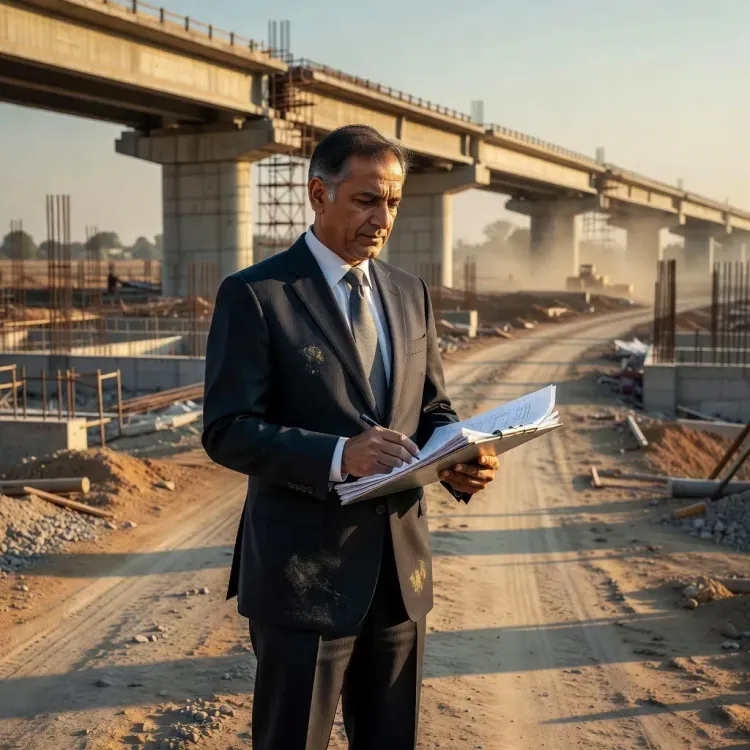
The directive places the accountability burden squarely on department heads — not on the Finance Department alone. By instructing officials to personally visit project sites, the CM Office is, in effect, creating a chain of direct accountability that bypasses routine desk-based reporting. The Finance Department's role is now explicitly twin-track: track expenditure numbers and pipeline that information upward to the CM Office in real time.
Quarterly budget utilisation reports submitted to the CM Office and any follow-up review meetings with department heads will be the first real test of whether these instructions translate into measurable improvement in spending efficiency.
The message from Lucknow is blunt: the money is there. The question is whether the machinery will move fast enough to use it.
Point of View
The CM Office is attempting to embed accountability at the decision-making level rather than the reporting level. The explicit assurance that 'funds will not fall short' is also a political signal: any future shortfall in welfare delivery will be attributed to bureaucratic inefficiency, not to fiscal constraints. As UP heads deeper into its budget cycle, these directives will be tested by how quickly quarterly utilisation data surfaces and whether any officials face consequences for under-performance.
NationPress
28 Sept 2026
Frequently Asked Questions
What did CM Yogi Adityanath direct the UP Finance Department to do?
CM Yogi directed the Uttar Pradesh Finance Department to monitor budget expenditure on a regular basis and provide progress reports to the Chief Minister's Office.
Why did CM Yogi ask department heads to visit project sites in UP?
CM Yogi asked all department heads and senior officers to personally conduct field reviews of development projects to ensure that work is progressing on the ground, not just on paper.
Will UP government departments face a shortage of funds for welfare schemes?
CM Yogi assured that funds will not be allowed to fall short for development and welfare schemes, but emphasised that departments are responsible for using the available budget effectively, transparently, and on time.
How has UP monitored development spending in previous years?
Since 2017, the UP government has repeatedly issued directives requiring senior officials to conduct field inspections and linking budget releases to physical progress reviews on development projects.
What happens next after CM Yogi's budget monitoring directive?
The immediate accountability mechanism will be quarterly budget utilisation reports submitted to the CM Office, followed by review meetings with department heads to assess compliance.