CM Yogi: UP's 25 Crore People Are My Family
Synopsis
Uttar Pradesh Chief Minister Yogi Adityanath declared on X that while earlier governments prioritised their own families, his administration treats the state's entire 25 crore population as its family — renewing the BJP's long-standing contrast with dynastic political culture in UP.
Key Takeaways
CM Yogi Adityanath posted on 26 May 2026 contrasting his governance model with that of previous state governments.
He stated that earlier governments 'used to think for their own families', while his government treats UP's 25 crore residents as its family.
The message aligns with the BJP 's consistent anti-dynastic governance narrative in Uttar Pradesh since 2017 .
Uttar Pradesh is India's most populous state, making the '25 crore family' framing a direct appeal to the broadest possible voter base.
The post was accompanied by a video and is expected to intensify political debate ahead of the next state budget session.
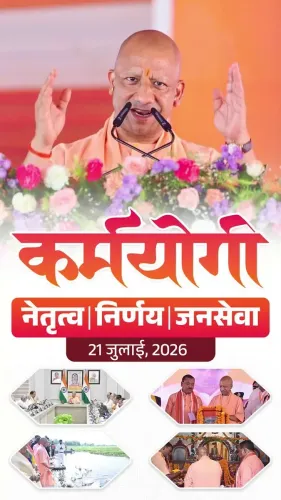
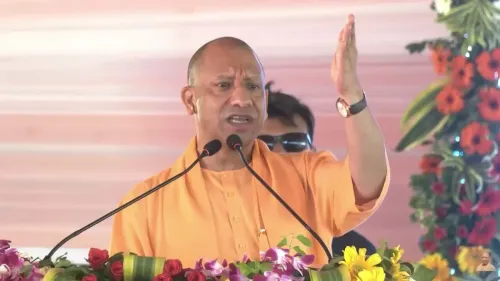
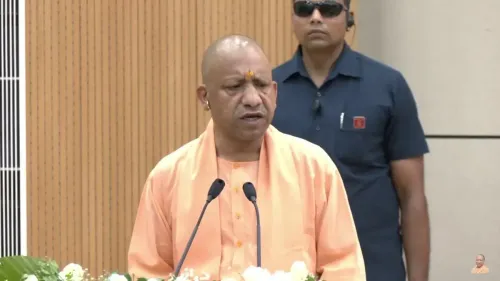
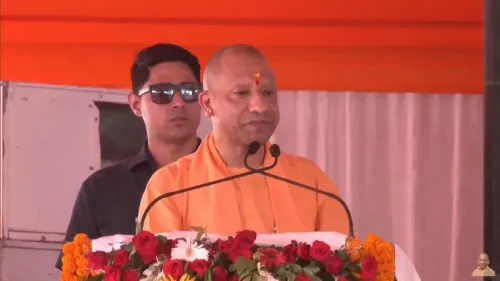
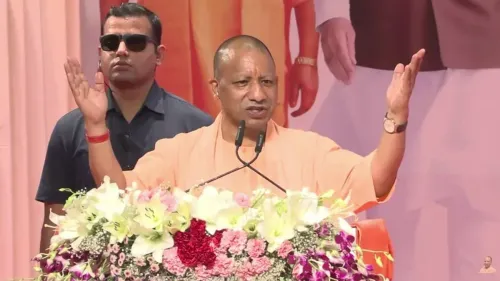
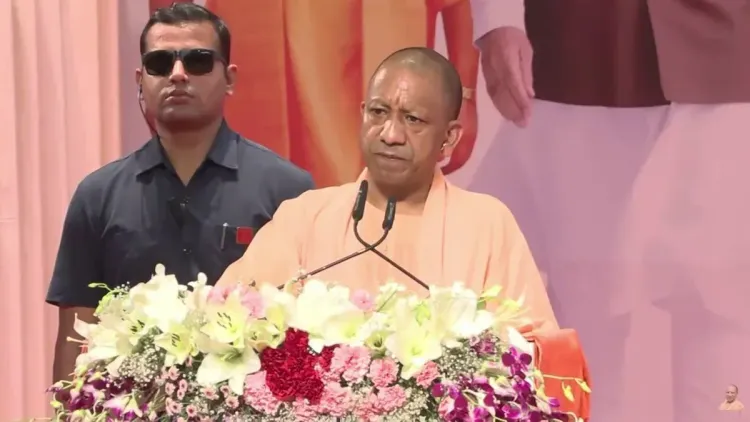
Uttar Pradesh Chief Minister Yogi Adityanath on Tuesday, 26 May 2026, drew a sharp contrast between his government's welfare-first approach and what he described as the family-centric priorities of previous administrations, posting the message on his official X account.
Context
In the post, written in Hindi, CM Yogi stated: 'पहले की सरकारें अपने परिवार के लिए सोचती थीं' ['Earlier governments used to think for their own families']. He then offered a direct contrast: 'For us, the 25 crore population of the state is our family.' The message, accompanied by a video, was posted in the early afternoon from Lucknow.
The statement is a pointed reference to governance cultures associated with rival political parties in Uttar Pradesh, where accusations of nepotism and resource capture by ruling families have been a recurring electoral theme for decades.
Policy Backdrop
When Yogi Adityanath first took office in March 2017, his administration framed its mandate explicitly around dismantling what it called dynastic and patronage-driven governance. That framing has anchored the Bharatiya Janata Party's state-level messaging ever since, appearing in budget speeches, welfare-scheme launches, and campaign communications across successive election cycles.
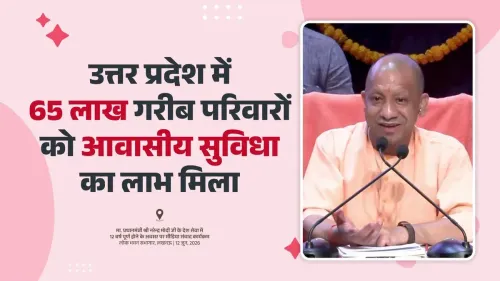
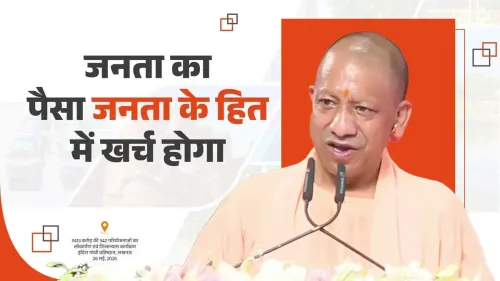
Uttar Pradesh, India's most populous state with approximately 25 crore residents, has long been a theatre for this debate. Welfare delivery — ranging from direct-benefit transfers and housing schemes to law-and-order reforms — has been positioned by the ruling party as evidence that public resources are now reaching the full population rather than a privileged few.
Stakeholders and Impact
The primary audience for this message is Uttar Pradesh's vast electorate, particularly rural and semi-urban voters who have historically experienced uneven access to state benefits. By invoking the figure of 25 crore people as his 'family', the Chief Minister signals an inclusive governance identity that cuts across caste and community lines — a framing central to the BJP's consolidation strategy in the state.
Opposition parties, including the Samajwadi Party and the Congress, are likely to contest this narrative, arguing that welfare delivery remains uneven and that the rhetoric of 'family governance' masks its own forms of political favouritism. The post arrives as political activity in the state is expected to intensify ahead of the next budget session.
What's Next
Analysts will watch whether this public statement precedes a new round of welfare-scheme announcements or a broader campaign push by the BJP in Uttar Pradesh. The framing — government as family to all citizens — has historically been deployed most forcefully in the run-up to major legislative sessions or electoral mobilisation. How opposition parties respond in the coming days will indicate whether this message lands as governance communication or is absorbed into a wider political confrontation.
Point of View
He simultaneously delegitimises opponents and reinforces a paternalistic but inclusive identity for his administration. The timing — outside any immediate electoral cycle — suggests this is sustained brand maintenance rather than reactive politics. If followed by a welfare announcement or budget push, it will confirm a deliberate sequencing of communication and policy.
NationPress
24 Sept 2026
Frequently Asked Questions
What did CM Yogi Adityanath say about previous governments in UP?
CM Yogi Adityanath said that earlier governments in Uttar Pradesh used to think only for their own families, while his government considers the state's entire 25 crore population as its family.
Why does CM Yogi refer to UP's 25 crore people as his family?
The phrase is a political framing used by Yogi Adityanath to contrast his administration's stated mass-welfare focus with what he characterises as the nepotistic priorities of previous state governments, particularly those led by rival parties.
Which party has governed Uttar Pradesh since 2017?
The Bharatiya Janata Party has governed Uttar Pradesh since March 2017, with Yogi Adityanath serving as Chief Minister throughout that period.
What is the population of Uttar Pradesh?
Uttar Pradesh is India's most populous state, with a population of approximately 25 crore (250 million) people.
What is the political significance of Yogi Adityanath's 'family governance' statement?
The statement reinforces the BJP's long-running narrative against dynastic politics in UP, positioning the ruling party as a government for all citizens rather than a political family. It is a framing that has been central to BJP messaging in the state since the 2017 assembly elections.