CM Yogi Targets Dynastic Politics, Cites Inclusive Governance
Synopsis
Uttar Pradesh Chief Minister Yogi Adityanath on 26 May 2026 attacked political opponents as 'rumour-mongers' driven by nepotism, contrasting their record with his government's claim of serving all citizens without discrimination — a message calibrated ahead of the 2027 state elections.
Key Takeaways
Yogi Adityanath posted on X on 26 May 2026 attacking 'rumour-mongers' as not being well-wishers of the country.
He accused political opponents of being driven solely by family interests and nepotism (bhai-bhatijawad) , calling this the reason for their failure.
He credited his government's success to working for all citizens without discrimination or bias .
The post aligns with the BJP's long-standing anti-dynastic governance narrative deployed across multiple states.
Uttar Pradesh faces assembly elections in 2027 , making such messaging strategically significant.
No individual or party was named explicitly in the post.
Uttar Pradesh Chief Minister Yogi Adityanath on Tuesday, 26 May 2026, launched a sharp attack on what he called rumour-mongers and dynastic political forces, asserting that his government's success stems from serving all citizens without discrimination. The remarks, posted on his official X account, drew a pointed contrast between his administration's record and the alleged nepotism of rival political formations in Uttar Pradesh.
Context
In the post, written in Hindi, Yogi Adityanath stated: 'ये अफवाहबाज देश के हितैषी नहीं हैं' ('These rumour-mongers are not well-wishers of the country'). He went on to say that his opponents' agenda revolved solely around family and nepotism — 'भाई-भतीजावाद' — and that this is precisely why they failed. He concluded by crediting his government's success to working for everyone's interests without bias or discrimination.
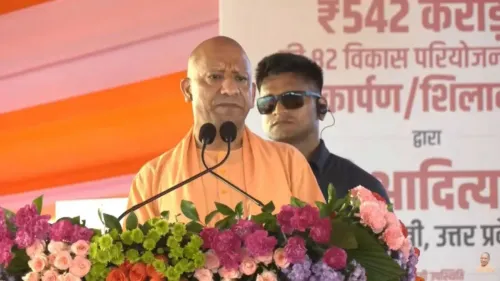
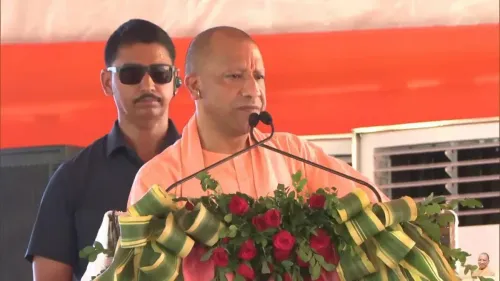
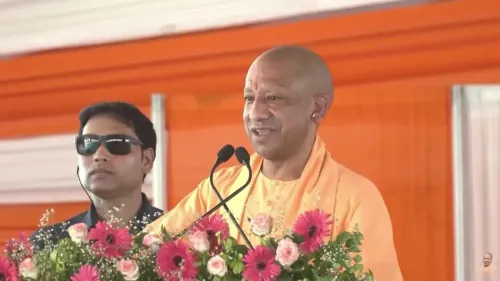
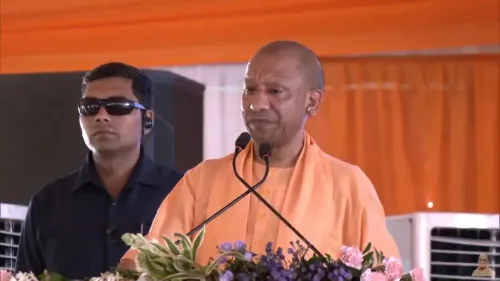
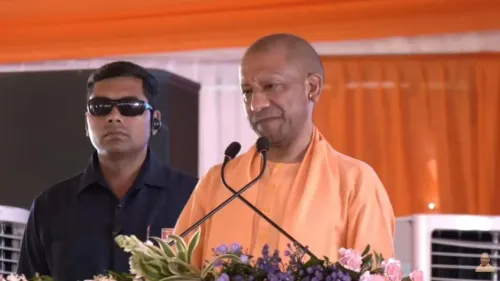
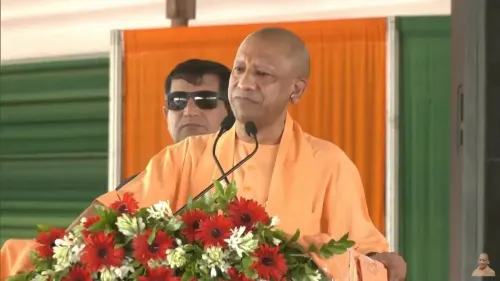
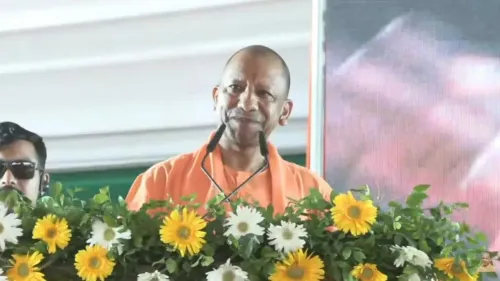
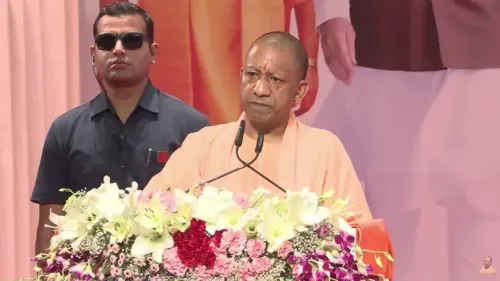
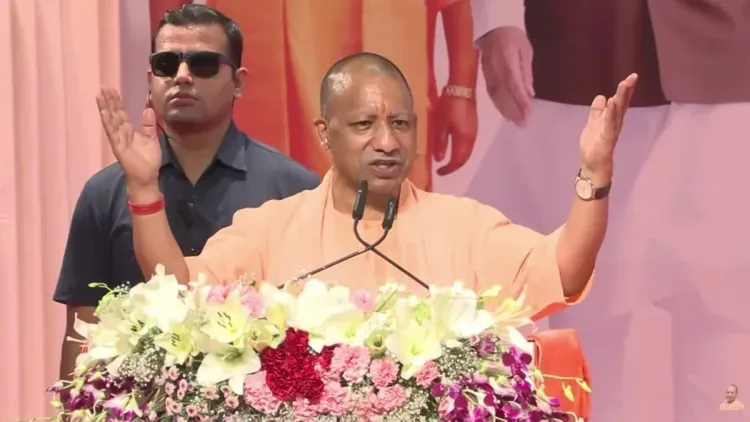
The post accompanied a video, the contents of which have not been independently detailed. The remarks appear directed at political opponents in Uttar Pradesh without naming any individual or party explicitly.
Policy Backdrop
Since coming to power in 2017, the Bharatiya Janata Party government under Yogi Adityanath has consistently framed its governance narrative around breaking alleged patterns of nepotism and corruption that it attributes to predecessor administrations. Welfare delivery, law enforcement reforms, and infrastructure spending have been positioned as evidence of impartial governance reaching all sections of society.
The BJP has deployed a similar anti-dynastic messaging framework at the national level and across multiple state campaigns, contrasting what it describes as merit-based administration with family-led political structures. Uttar Pradesh, as India's most populous state, remains a critical testing ground for this narrative ahead of the 2027 assembly elections.
Stakeholders and Impact
Uttar Pradesh's vast and diverse electorate — spanning urban centres, agrarian belts, and communities across caste and religious lines — is the primary audience for this messaging. The 'without discrimination' framing is specifically designed to appeal to voters from marginalised and backward communities who have historically been courted by regional parties through caste-based patronage networks.
Opposition parties, including regional formations with strong family-leadership identities, are the implicit target of the 'nepotism' charge. Their responses to such statements typically form a counter-narrative centred on social justice and representation, which is likely to intensify as 2027 approaches.
What's Next
With the 2027 Uttar Pradesh assembly elections on the horizon, political rhetoric from both the ruling party and opposition is expected to sharpen considerably. Statements of this nature from Yogi Adityanath signal that the BJP intends to make governance performance and anti-dynastic sentiment central pillars of its campaign architecture. Opposition parties are likely to respond with their own governance critiques, setting the stage for an intensely contested electoral cycle in India's largest state.
Point of View
He keeps the attack broad enough to encompass multiple opposition formations simultaneously. The emphasis on 'serving without discrimination' is a direct bid to consolidate support among communities that have historically felt excluded from patronage networks. As the electoral cycle draws closer, expect this language to migrate from social media into rally speeches and campaign literature.
NationPress
19 Sept 2026
Frequently Asked Questions
What did Yogi Adityanath say in his 26 May 2026 post on X?
He said that 'rumour-mongers' are not well-wishers of the country, accused his opponents of being driven by family interests and nepotism, and stated that his government succeeded because it worked for everyone without discrimination.
Who is Yogi Adityanath targeting with his nepotism remarks?
The post does not name any individual or party explicitly, but the remarks are broadly directed at political opponents in Uttar Pradesh who are associated with family-based or dynastic leadership structures.
What is 'bhai-bhatijawad' and why does CM Yogi use the term?
'Bhai-bhatijawad' is a Hindi term meaning nepotism or favouritism towards family members. CM Yogi uses it to contrast his administration's governance approach with what he characterises as the self-serving politics of rival parties.
How does this statement relate to the 2027 Uttar Pradesh elections?
With the 2027 UP assembly elections approaching, the statement is part of the BJP's effort to frame the contest around governance performance and anti-dynastic sentiment, positioning the party as merit-based against family-led opposition formations.
What has Yogi Adityanath's government done to back its inclusive governance claims?
Since 2017, the BJP government in UP has cited welfare delivery reforms, law enforcement changes, and infrastructure projects as evidence of impartial administration reaching all communities, though opposition parties contest this characterisation.