CM Yogi Warns: Zero Tolerance for Festival Trouble in UP
Synopsis
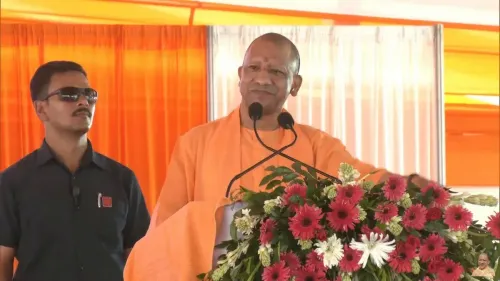
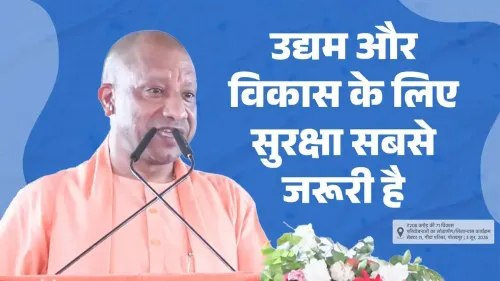
Chief Minister Yogi Adityanath has warned that no attempt to convert festival celebrations into disorder will be tolerated in Uttar Pradesh, ordering the harshest possible action against anti-social elements under the state government's zero-tolerance policy.
Key Takeaways
CM Yogi Adityanath issued a public directive on November 4, 2026 warning against disruption of festival celebrations in Uttar Pradesh .
The order instructs law enforcement to invoke 'zero tolerance' and take the 'strictest possible action' against anarchic and anti-social elements.
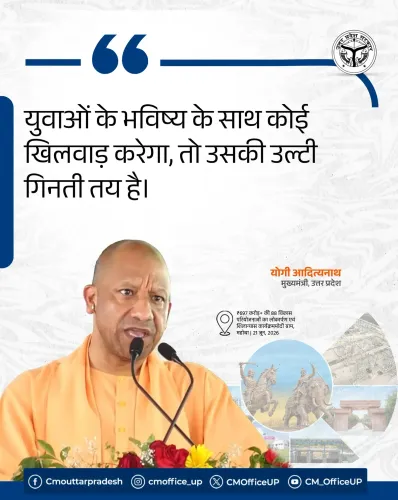
The statement was posted by the Chief Minister's Office of UP on X, quoting the CM directly in Hindi.
The Yogi Adityanath government has maintained a zero-tolerance posture on festival-time law and order consistently since 2017 .
Uttar Pradesh's 75 districts host some of India's largest public festivals, making pre-emptive security directives a critical governance tool each season.
No conspiracy to turn celebration into chaos will be tolerated — not even slightly. Chief Minister Yogi Adityanath issued a sharp, unambiguous directive on Wednesday, November 4, 2026, ordering the strictest possible action under a 'zero tolerance' policy against anti-social and anarchic elements in Uttar Pradesh.
The Chief Minister's Office posted the statement on X, quoting CM Yogi directly: 'उत्सव के उल्लास को उपद्रव में बदलने की किसी भी साजिश को कतई बर्दाश्त नहीं किया जाएगा' — 'Any conspiracy to convert the joy of celebration into disorder will not be tolerated at all.' The instruction to law enforcement was equally blunt: deploy 'zero tolerance' and act with maximum severity against those who disturb the peace.
The pattern behind the warning
This is not a new posture for the Yogi Adityanath government. Since taking office in 2017, the administration has repeatedly made pre-festival security a signature priority, issuing preventive orders, deploying additional police, and warning that communal or criminal provocation during religious and cultural events will be met with swift, hard action. The language of 'zero tolerance' has been a consistent thread across those nine years.
Uttar Pradesh is one of India's most festival-dense states — Diwali, Holi, Eid, Navratri, and dozens of regional celebrations each bring massive public gatherings across its 75 districts. The window around any major festival has historically been a pressure point for law-and-order machinery, making pre-emptive statements like this one a standard — but carefully watched — instrument of governance.
What security forces are being told
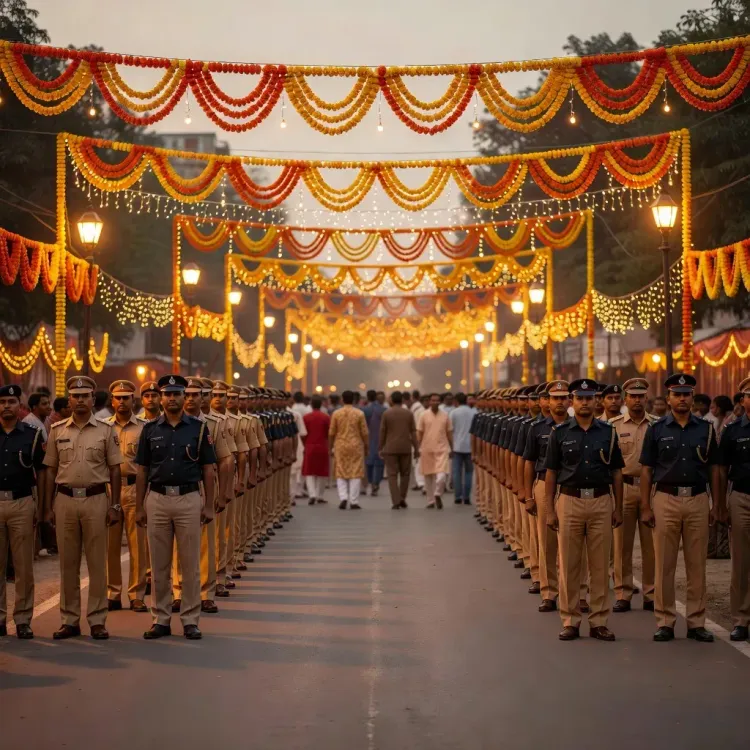
The directive is a command, not a suggestion. The phrasing — 'कठोरतम कार्रवाई की जाए' ('the harshest possible action must be taken') — signals that police and district administrations are expected to act without hesitation against 'anarchic and anti-social elements.' In practice, that has meant preventive detentions, Section 144 orders in sensitive areas, and heavy deployment of the Provincial Armed Constabulary ahead of flashpoint dates.
The specific festival context for this November 4 warning was not independently detailed in the post, but the timing — deep into the autumn festival calendar — leaves little ambiguity about the season the government is securing.
When a Chief Minister issues a public order this direct, the message travels in two directions at once: inward to the police machinery as a mandate, and outward to any would-be troublemaker as a deterrent. Whether that double signal holds depends entirely on what happens on the ground in the days ahead.
Point of View
Particularly around religious festivals. By making the directive public rather than internal, the Yogi administration uses the press release itself as a deterrent — signalling resolve to both police and potential disruptors simultaneously. The consistency of this approach since 2017 has deepened its political value: it reinforces the administration's core identity even when no specific incident has yet occurred. The real test, as always, is not the statement but the deployment — and whether UP's security machinery translates the top-level mandate into ground-level action without overreach.
NationPress
4 Nov 2026
Frequently Asked Questions
What did CM Yogi Adityanath say about festival security in UP?
CM Yogi Adityanath directed that any conspiracy to turn festival celebrations into disorder will not be tolerated, and ordered the strictest possible action against anti-social and anarchic elements under a zero-tolerance policy.
What is Uttar Pradesh's zero tolerance policy on festivals?
Since 2017, the Yogi Adityanath government has maintained a stated zero-tolerance policy against crime, riots, and disturbances during religious and cultural festivals, including preventive detentions and heavy police deployment.
Which festival prompted CM Yogi's November 2026 security warning?
The specific festival was not named in the official post. The statement was issued on November 4, 2026, during the autumn festival season in Uttar Pradesh.
How does UP enforce law and order during major festivals?
UP typically uses measures such as Section 144 orders in sensitive areas, preventive detentions, Provincial Armed Constabulary deployments, and direct Chief Ministerial directives to district police and administration.
How long has Yogi Adityanath been Chief Minister of Uttar Pradesh?
Yogi Adityanath has been Chief Minister of Uttar Pradesh since 2017, and law-and-order enforcement — especially during festivals — has been a defining pillar of his administration throughout that period.