Bengal CM Suvendu Adhikari launches Sarathi cycle scheme, flags smartphone harm to students
Synopsis
West Bengal CM Suvendu Adhikari didn't just launch a bicycle scheme — he used the Howrah event to openly challenge the previous TMC government's student mobile phone grant, floating a pivot to education tablets. The move signals a wider BJP effort to reframe welfare politics in Bengal around discipline and outcomes, not just handouts.
Key Takeaways
West Bengal CM Suvendu Adhikari launched the Sarathi bicycle scheme for school students on 29 September in Howrah district .
The Sarathi scheme replaces the Sabuj Sathi project introduced by the previous Trinamool Congress government.
Adhikari proposed replacing the ₹10,000 mobile phone grant given to Class 11 students every January with education-oriented tablets.
He has already conveyed the matter to the state Education Secretary and the minister concerned; no formal order has been issued yet.
Adhikari first raised smartphone concerns at a Teachers' Day event on 5 September , calling the issue politically sensitive but harmful.
School Education Minister Dipak Barman and Higher Education Minister Jagannath Chattopadhyay attended the launch.
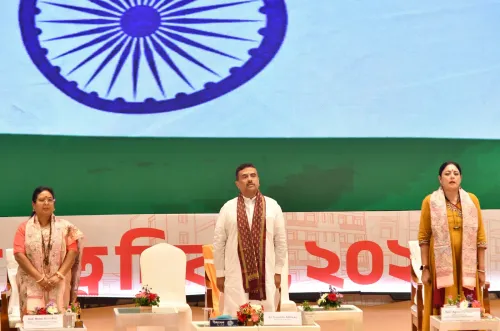
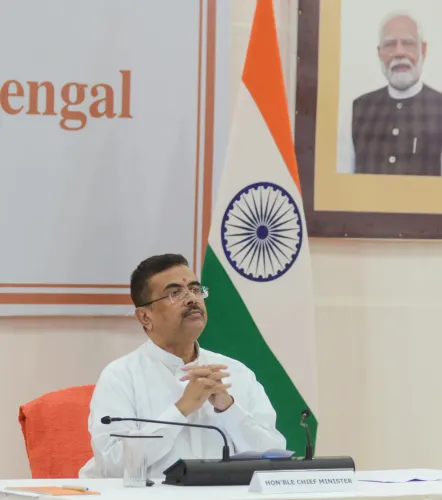
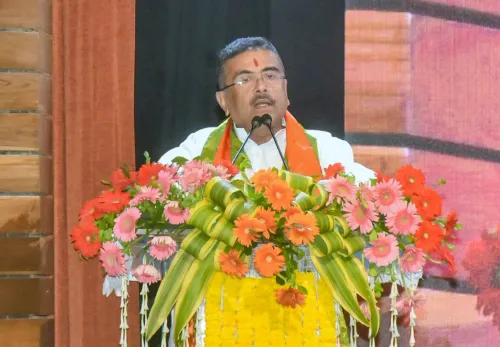
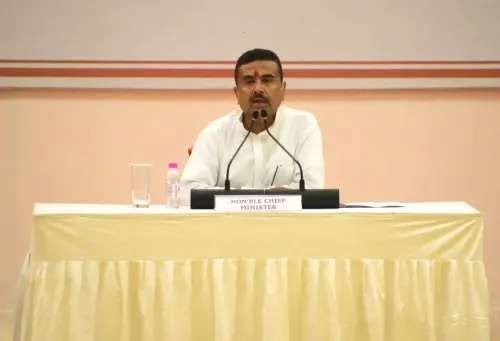
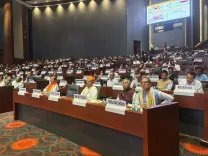
West Bengal Chief Minister Suvendu Adhikari on Tuesday, 29 September launched the Sarathi scheme in Howrah district, under which the state government will distribute bicycles to school students. The scheme replaces the earlier Sabuj Sathi project introduced by the previous Trinamool Congress (TMC) government.
What the Sarathi Scheme Does
The Sarathi initiative carries forward the basic objective of improving student mobility, but represents a clean administrative break from its TMC-era predecessor. By formally replacing Sabuj Sathi, the Bharatiya Janata Party (BJP)-led state government is signalling a policy reset on student welfare programmes. School Education Minister Dipak Barman and Higher Education Minister Jagannath Chattopadhyay were both present at the launch event in Howrah.
Adhikari Flags Smartphone Harm, Eyes Tablet Switch
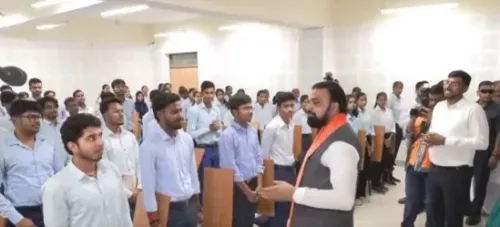
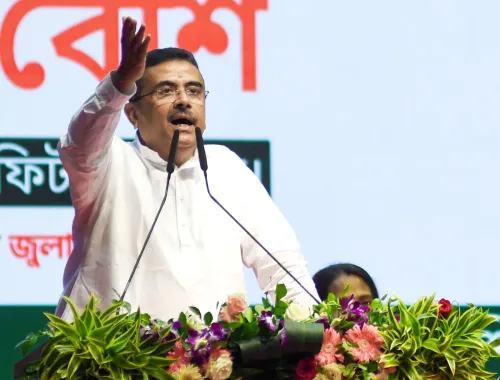
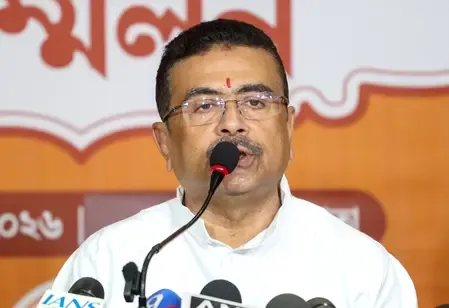
Alongside the cycle scheme launch, Chief Minister Adhikari expressed serious concern over what he described as excessive smartphone use among school students. He noted that the previous government had been providing ₹10,000 to Class 11 students every January to purchase mobile phones, and suggested that this financial assistance could be redirected toward education-oriented tablets instead.
Adhikari said he had already raised the matter with the state Education Secretary and the minister concerned, adding that the government should begin deliberating on the change immediately. According to him, the administration is seriously considering the move following reports of excessive mobile phone use disrupting student focus.
A Concern Raised Repeatedly
This is not the first time the Chief Minister has publicly flagged the issue. Speaking at a Teachers' Day programme on 5 September, Adhikari acknowledged that restricting mobile phone use among students could be politically difficult, but maintained that the harm caused was significant. On Tuesday, he reiterated that failure to act could undermine the state government's ability to steer future generations in the right direction.
Notably, the smartphone debate echoes a broader national conversation: several state governments and the Supreme Court have at various points flagged the impact of digital devices on student mental health and academic performance. Bengal's proposed tablet-over-phone shift — if implemented — would align with a more curated, education-first model of digital access.
What Comes Next
No formal policy notification on replacing the mobile phone grant with tablets has been issued yet; Adhikari's remarks remain at the deliberation stage. The government's move will be watched closely, particularly by students and families in Class 11 who currently anticipate the ₹10,000 mobile phone grant in January. Any formal change would require an education department order and likely a budget reallocation.
Point of View
Which, if formalised, would mark a meaningful shift in how the state conceptualises digital access for students. But the credibility gap is real: Adhikari has raised the smartphone issue twice in a month without a formal policy order, and his own admission that it is 'politically difficult' suggests the resistance is internal as much as public. West Bengal's education outcomes will not improve on rhetoric alone — the real test is whether this deliberation produces a notified, funded, and independently monitored policy.
NationPress
30 Sept 2026
Frequently Asked Questions
What is the Sarathi scheme launched by West Bengal CM Suvendu Adhikari?
The Sarathi scheme is a West Bengal state government initiative to distribute bicycles to school students, launched by Chief Minister Suvendu Adhikari on 29 September in Howrah district. It formally replaces the Sabuj Sathi project, which was introduced by the previous Trinamool Congress government.
How is Sarathi different from the Sabuj Sathi scheme?
Both schemes distribute bicycles to school students, but Sarathi is a fresh initiative under the current BJP-led state government, replacing the TMC-era Sabuj Sathi brand. The administrative change signals a policy reset, though the core objective of improving student mobility remains similar.
Why does CM Adhikari want to replace mobile phone grants with tablets?
Adhikari has cited reports of excessive smartphone use causing serious harm to students as the reason for the proposed switch. Under the current system, Class 11 students receive ₹10,000 in January to buy mobile phones; the Chief Minister wants to redirect that funding toward education-oriented tablets instead.
Has the mobile phone grant replacement been officially decided?
No formal order has been issued yet. As of 29 September, CM Adhikari said the government was giving the matter serious consideration and that he had already spoken to the Education Secretary and the minister concerned. Any change would require an official education department notification.
When did Adhikari first raise concerns about students using smartphones?
He first raised the issue publicly on 5 September at a Teachers' Day programme, where he acknowledged that restricting student mobile use could be politically difficult but maintained the negative impact was significant. He repeated the concern at the Sarathi launch on 29 September.