Gujarat seeks 40% MSP procurement limit for pulses, oilseeds at Rabi meet
Synopsis
Gujarat has pushed the Centre to nearly double the PM-AASHA procurement ceiling for pulses and oilseeds from 25% to 40% — and add castor, of which Gujarat produces 16 lakh metric tonnes, to the MSP framework. The demands, made at the national Rabi conference in New Delhi, put a spotlight on the gap between headline price support policy and how much farmers can actually sell at those prices.
Key Takeaways
Gujarat Agriculture Minister Jitu Vaghani sought a hike in the PM-AASHA procurement ceiling for pulses and oilseeds from 25% to 40% of total production.
He urged MSP coverage for castor , citing Gujarat's output of 16 lakh metric tonnes as the country's top producer.
Gujarat's agriculture budget has been raised to more than ₹17,000 crore for 2026-27 . ₹1,250 crore earmarked this year to bring an additional 2 lakh hectares under micro-irrigation; GGRC has already covered 25.91 lakh hectares .
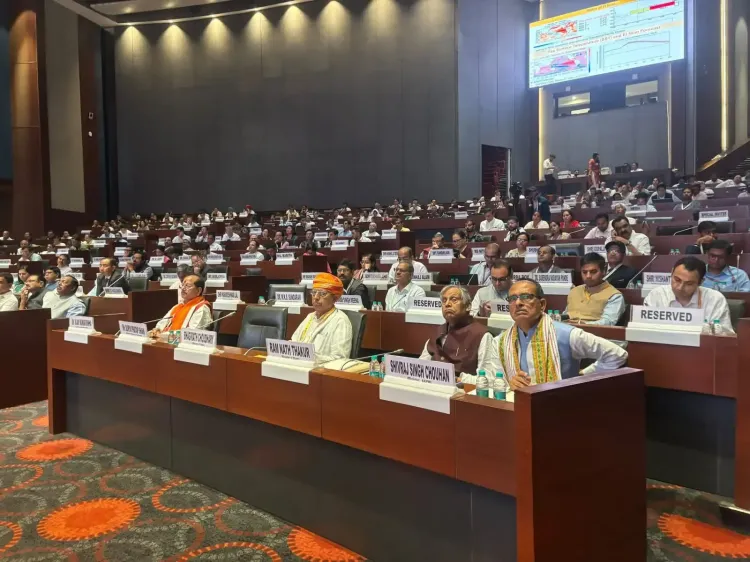
The National Agriculture Conference – Rabi Campaign 2026 was chaired by Union Agriculture Minister Shivraj Singh Chouhan in New Delhi .
Other demands included stronger anti-adulteration laws, nano-fertiliser testing protocols, and additional allocation under the agricultural mechanisation sub-mission for 9,000-plus applicants.
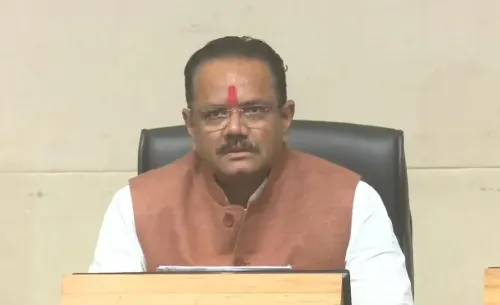
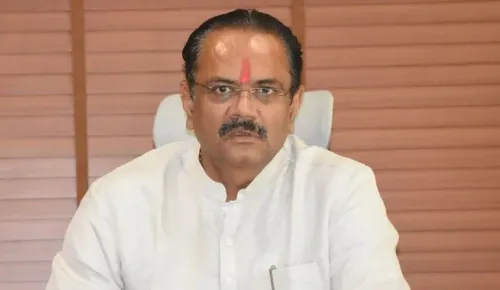
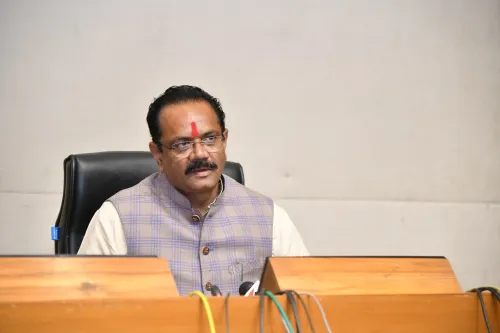
Gujarat Agriculture Minister Jitu Vaghani on 30 September 2026 urged the Centre to raise the procurement ceiling for pulses and oilseeds under the PM-AASHA scheme from 25% to 40% of total production, while also seeking the inclusion of castor in the minimum support price (MSP) procurement framework. Vaghani made the demands while representing Gujarat at the two-day National Agriculture Conference – Rabi Campaign 2026 in New Delhi, chaired by Union Agriculture Minister Shivraj Singh Chouhan.
Key Demands from Gujarat
At the conference, Vaghani presented a series of requests aimed at strengthening Gujarat's farm sector. Central to these was the call to permit state procurement of pulses and oilseeds at support prices up to 40% of total production, compared to the current cap of 25% under PM-AASHA. He argued the existing ceiling limits farmers' ability to benefit fully from the price support mechanism.
On castor, Vaghani pointed out that Gujarat is the country's leading producer of the crop, with output of 16 lakh metric tonnes, and said MSP coverage for castor would directly benefit a large segment of the state's farming community. Castor currently falls outside the formal MSP procurement net.
Agriculture Budget and On-Ground Initiatives
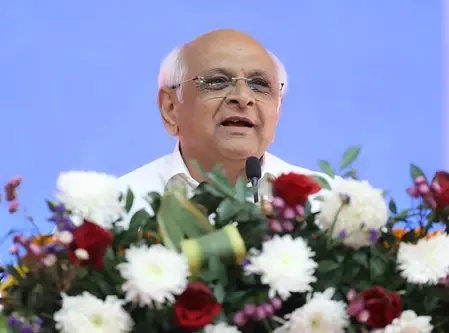
Vaghani informed the conference that Gujarat has raised its agriculture budget to more than ₹17,000 crore for 2026-27 under Chief Minister Bhupendra Patel. He also announced plans to launch 'Kisan Suvidha Rath' through EMRI-GVK across 53 talukas in 14 districts in tribal areas, a mobile initiative to deliver farming services and guidance directly to farmers.
The minister thanked Prime Minister Narendra Modi and Chouhan for ensuring adequate fertiliser supply to Gujarat despite challenging global supply conditions, adding that the state currently holds sufficient seed stocks for the Rabi season.
Micro-Irrigation Push and Water Efficiency
Gujarat is also accelerating its micro-irrigation programme. The Gujarat Green Revolution Company (GGRC) has already brought 25.91 lakh hectares under micro-irrigation. This year, ₹1,250 crore has been allocated to bring an additional 2 lakh hectares under the system, reinforcing the state's push for water-efficient farming.
Regulatory and Scheme-Level Requests
Beyond procurement and budgetary matters, Vaghani urged the Centre to replace outdated laws with stricter legislation to combat input adulteration, and called for early notification of a final testing protocol for nano-fertiliser samples. He also sought permission to deploy the Special Central Assistance Fund received under the AgriStack project in future years, and requested additional allocation under the Sub-Mission on Agricultural Mechanisation scheme so that all 9,000-plus applicant farmers could receive benefits.
Broader Conference Agenda
The two-day national conference brought together agriculture ministers from states, senior Central and state officials, and ICAR scientists to plan Rabi season preparedness. Discussions covered crop diversification, natural farming, the Digital Agriculture Mission, Farmer Registry, Digital Crop Survey, AgriStack, PM Dhan-Dhaanya Krishi Yojana, PM Fasal Bima Yojana, and the expansion of Kisan Credit Card coverage. The Centre has specifically identified pulses and oilseeds as priority crops for the Rabi strategy, making Gujarat's procurement demand a timely and pointed intervention.
How the Centre responds to Gujarat's MSP ceiling demand — and whether castor is formally brought into the procurement fold — will be closely watched by farmers and state governments across the oilseed belt.
Point of View
Leaving the majority of produce to market forces that frequently undercut the support price. Gujarat's demand to raise the cap from 25% to 40% is pragmatic, but it still leaves 60% of production exposed. The castor demand is the more consequential ask — bringing a crop with 16 lakh metric tonnes of state output into the MSP fold would materially change income calculus for thousands of farmers. The Centre's silence on castor inclusion, despite Gujarat's consistent advocacy, points to a reluctance to expand the fiscal commitment of MSP procurement — an accountability gap that no amount of conference communiqués will close.
NationPress
30 Sept 2026
Frequently Asked Questions
What is the PM-AASHA scheme and why is Gujarat demanding a change?
PM-AASHA (Pradhan Mantri Annadata Aay SanraksHan Abhiyan) is a central scheme that allows state governments to procure pulses and oilseeds at minimum support prices when market rates fall below MSP. Currently, states can procure only up to 25% of total production under this mechanism. Gujarat's Agriculture Minister Jitu Vaghani has urged the Centre to raise this ceiling to 40%, arguing that the existing cap prevents a larger share of farmers from benefiting from MSP-level prices.
Why does Gujarat want castor included in MSP procurement?
Gujarat is India's leading producer of castor, with an annual output of 16 lakh metric tonnes, yet castor currently falls outside the formal MSP procurement framework. Including it would give castor farmers a price floor when market rates dip, directly protecting income for a large segment of Gujarat's farming community.
What other demands did Gujarat present at the Rabi 2026 conference?
Beyond the PM-AASHA and castor requests, Gujarat sought stricter anti-adulteration legislation, early notification of a testing protocol for nano-fertilisers, permission to utilise the Special Central Assistance Fund under AgriStack in future years, and additional allocation under the Sub-Mission on Agricultural Mechanisation for over 9,000 pending applicants.
What is the Gujarat agriculture budget for 2026-27?
The Gujarat government has raised its agriculture budget to more than ₹17,000 crore for 2026-27 under Chief Minister Bhupendra Patel. A portion of this includes ₹1,250 crore earmarked to bring an additional 2 lakh hectares under micro-irrigation.
What was discussed at the National Agriculture Conference – Rabi Campaign 2026?
The two-day conference in New Delhi, chaired by Union Agriculture Minister Shivraj Singh Chouhan, brought together state agriculture ministers, senior officials, and ICAR scientists to plan Rabi season preparedness. Key topics included crop diversification, natural farming, the Digital Agriculture Mission, AgriStack, PM Fasal Bima Yojana, PM Dhan-Dhaanya Krishi Yojana, and Kisan Credit Card expansion.