CM Fadnavis Signs MoU to Push Ganeshotsav for UNESCO Tag
Synopsis
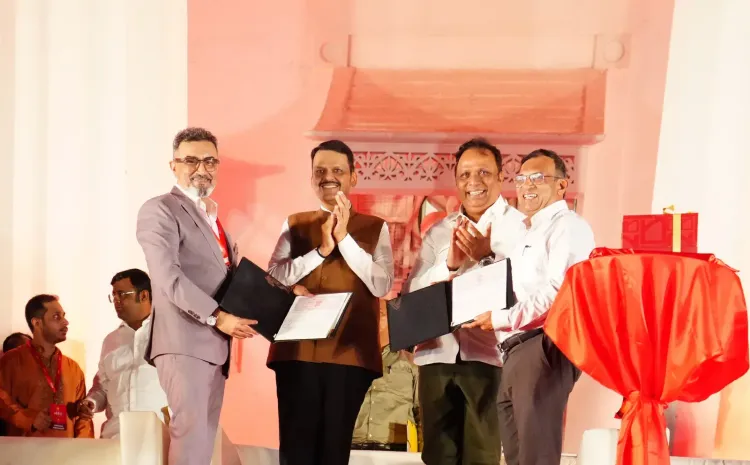
Chief Minister Devendra Fadnavis presided over an MoU between Maharashtra's Directorate of Archaeology and Museums and E-Flag on 30 September 2026, formally launching a campaign to win UNESCO Intangible Cultural Heritage status for Ganeshotsav, following the model set by Kolkata's Durga Puja inscription in 2021.
Key Takeaways
CM Devendra Fadnavis presided over the MoU signing on 30 September 2026 for the Ganeshotsav UNESCO campaign.
The agreement is between Maharashtra's Directorate of Archaeology and Museums and organisation E-Flag .
The goal is UNESCO Intangible Cultural Heritage inscription for Ganeshotsav.
Kolkata's Durga Puja UNESCO inscription in 2021 serves as India's precedent and template.
Maharashtra already holds multiple tangible UNESCO World Heritage Sites , including Ajanta, Ellora, and sites in Mumbai.
Ashish Shelar and other dignitaries were present, signalling broad government backing.
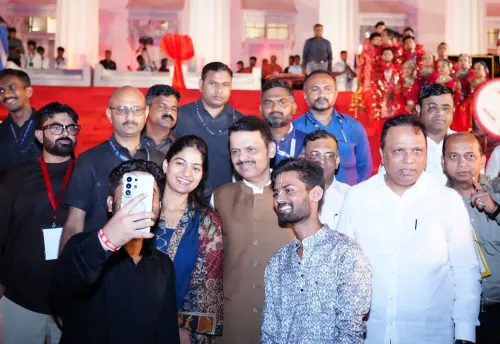
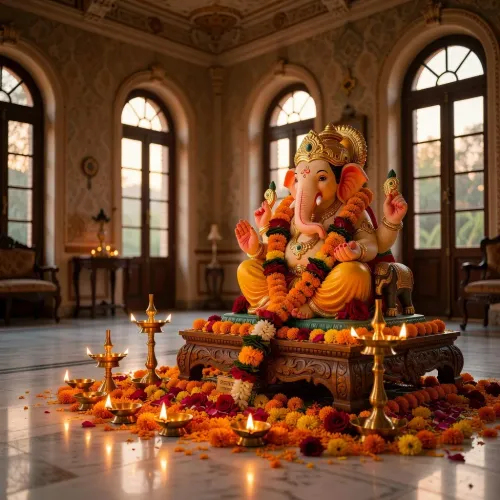
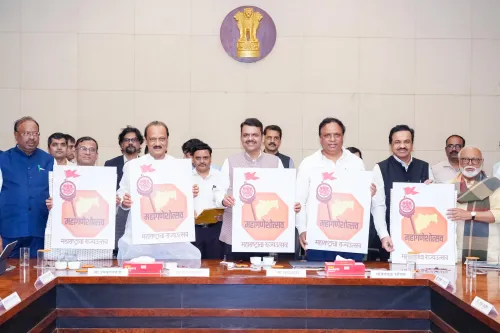
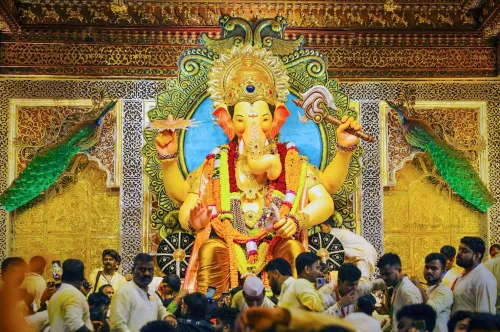
Maharashtra is staking a formal claim on the world cultural stage. Chief Minister Devendra Fadnavis on Wednesday, 30 September 2026 presided over the signing of a Memorandum of Understanding between the state's Directorate of Archaeology and Museums and organisation E-Flag, launching a dedicated campaign to secure UNESCO Intangible Cultural Heritage status for Ganeshotsav — the grand annual Ganesh festival that turns Maharashtra's streets into one of the world's largest religious celebrations.
Minister Adv. Ashish Shelar and other senior dignitaries were present at the event, signalling cross-departmental government commitment to the initiative. The MoU formalises a partnership that will drive the campaign's strategy, documentation, and eventual nomination dossier for UNESCO's consideration.Why Ganeshotsav Belongs on the World Heritage List
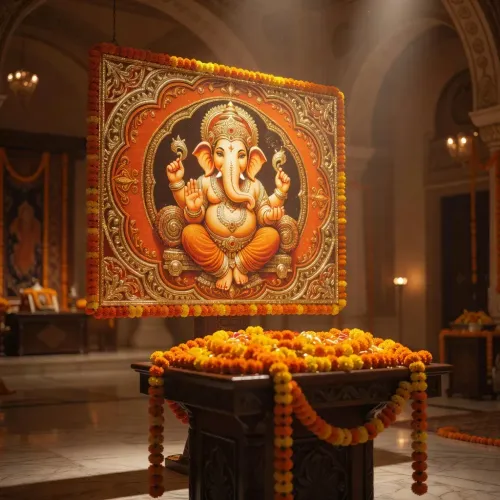
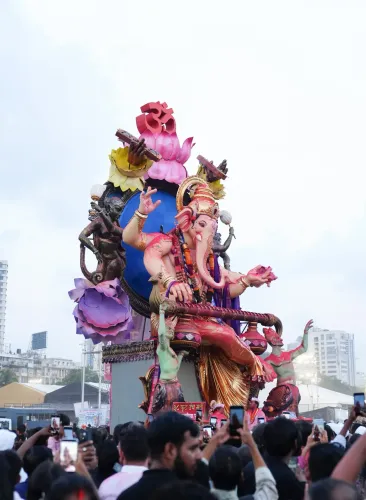
Ganeshotsav is no ordinary festival. Launched in its modern, community-wide form by freedom fighter Bal Gangadhar Tilak in 1893 as a vehicle of national consciousness, it has grown into a ten-day spectacle of devotion, art, and civic energy that draws millions across Maharashtra and well beyond. Elaborate pandals, sculpted idols, music processions, and neighbourhood communities — the festival is a living, evolving tradition that binds generations. It is precisely the kind of intangible cultural expression UNESCO's 2003 Convention for the Safeguarding of the Intangible Cultural Heritage was designed to protect and celebrate.
The Kolkata Durga Puja Precedent
India has been here before — and won. When Kolkata's Durga Puja received UNESCO Intangible Cultural Heritage inscription in 2021, it provided a practical roadmap: meticulous community documentation, government backing, and a compelling nomination file built over years. Maharashtra is now adapting that template, with the state's archaeology directorate lending institutional weight to what E-Flag will drive on the ground. Maharashtra already holds a formidable tangible heritage portfolio — Ajanta and Ellora Caves, the Chhatrapati Shivaji Maharaj Terminus, and the Victorian and Art Deco Ensemble of Mumbai among its World Heritage Sites — making an intangible addition the logical next frontier.
What the MoU Sets in Motion
The agreement is the starting gun, not the finish line. A formal UNESCO nomination requires comprehensive community surveys, expert documentation of the festival's historical depth and social functions, government endorsement at the national level through the Ministry of Culture, and ultimately submission to UNESCO's evaluation cycle. The process typically spans several years. Watch for the formation of expert committees, public consultation drives across Ganeshotsav-organising communities, and a nomination dossier that can withstand the scrutiny of UNESCO's advisory bodies.
If the campaign succeeds, Ganeshotsav would join a select global register that includes everything from Mediterranean cuisine to the Nowruz spring festival — a recognition that would amplify Maharashtra's cultural standing and give the festival's community custodians an international platform. The ink is dry. The campaign has begun.
Point of View
Embedding what has traditionally been a community-driven celebration within a formal heritage-diplomacy framework. The move mirrors a wider trend of Indian state governments leveraging cultural festivals for both international prestige and soft-power projection. With Kolkata's Durga Puja success providing a proven pathway, Maharashtra is effectively applying a competitive model — but the process demands years of rigorous documentation and central government endorsement, making political continuity and bureaucratic persistence as important as the launch-day symbolism. The outcome will test whether India can translate regional festival fervour into durable multilateral recognition.
NationPress
30 Sept 2026
Frequently Asked Questions
What is the goal of the MoU signed by the Maharashtra government for Ganeshotsav?
The MoU between the Directorate of Archaeology and Museums, Government of Maharashtra, and E-Flag is aimed at launching a structured campaign to secure UNESCO Intangible Cultural Heritage status for Ganeshotsav, Maharashtra's iconic annual Ganesh festival.
What is UNESCO Intangible Cultural Heritage and how is a festival nominated?
UNESCO's Intangible Cultural Heritage list, established under the 2003 Convention, recognises living traditions and expressions communities consider part of their heritage. A nomination requires community documentation, national government endorsement through the Ministry of Culture, and submission to UNESCO's evaluation cycle — a process that typically spans several years.
Has India previously won UNESCO Intangible Cultural Heritage status for a festival?
Yes. Kolkata's Durga Puja was inscribed on the UNESCO Intangible Cultural Heritage list in 2021, providing a concrete model for Maharashtra's current Ganeshotsav campaign.
Who is E-Flag and what role will it play in the Ganeshotsav UNESCO campaign?
E-Flag is the organisation that signed the MoU with Maharashtra's archaeology directorate to drive the UNESCO campaign. Details of its prior activities and specific campaign timelines are not yet publicly confirmed.
What UNESCO World Heritage Sites does Maharashtra already have?
Maharashtra's tangible UNESCO World Heritage Sites include the Ajanta Caves, the Ellora Caves, the Chhatrapati Shivaji Maharaj Terminus, and the Victorian and Art Deco Ensemble of Mumbai. The Ganeshotsav bid would be the state's first intangible cultural heritage nomination.