CM Fadnavis launches Bappa.org to give Ganeshotsav global heritage status
Synopsis
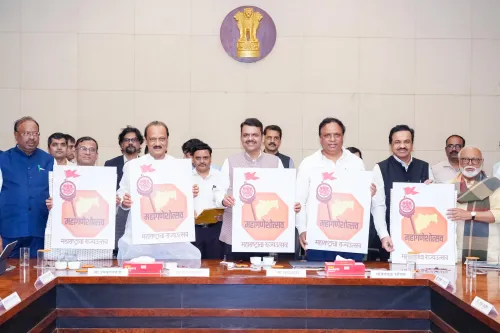
CM Devendra Fadnavis launched Bappa.org, a digital archive for Ganeshotsav stories, at The Asiatic Society in Mumbai on 30 September 2026. The platform aims to document traditions from 40,000 Maharashtra villages and build the case for Ganeshotsav's recognition as a world heritage event.
Key Takeaways
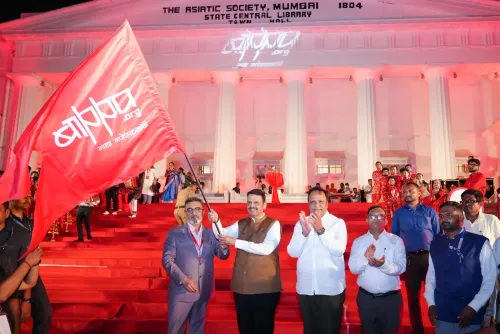
Bappa.org was launched by CM Devendra Fadnavis at The Asiatic Society, Mumbai on 30 September 2026 under the Ganpati Rajya Mahotsav 2026 initiative.
The platform aims to archive Ganesh festival stories, traditions, and devotional experiences from approximately 40,000 villages across Maharashtra .
Fadnavis personally uploaded his own home Ganeshotsav story to inaugurate the platform and flagged off the Bappa Rath cultural float.
A 12-foot modak sculpture by students and sculptors of Sir J.
School of Art is the centrepiece of the Bappa Rath.
The digital archive is intended to document Ganesha worship across Asia — including temples in Japan — to support a push for global heritage recognition .
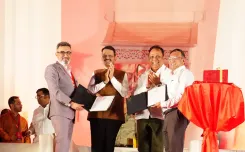
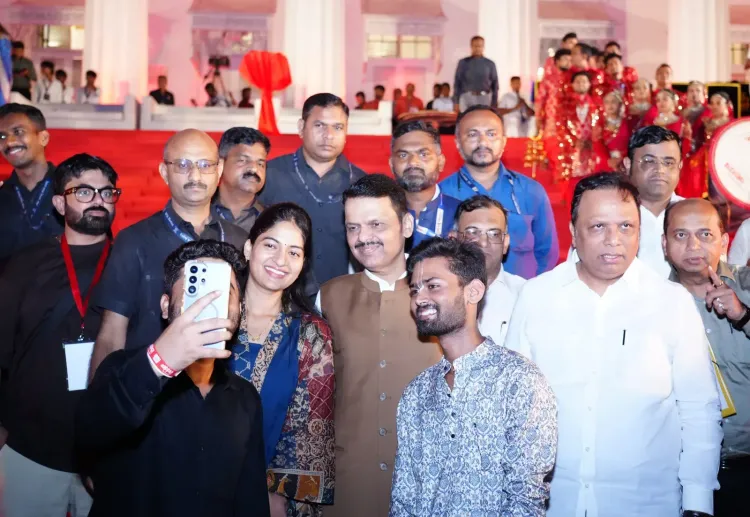
Minister Ashish Shelar and other dignitaries attended the launch event.
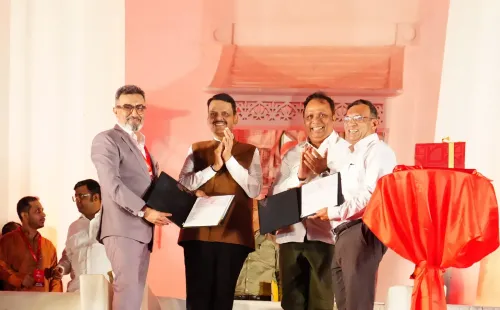
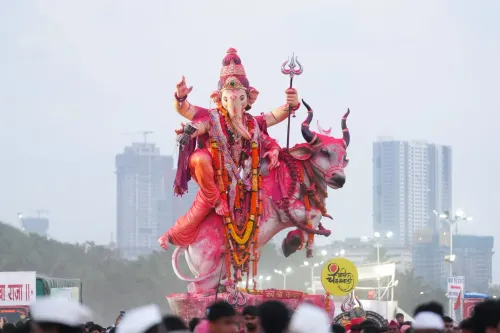
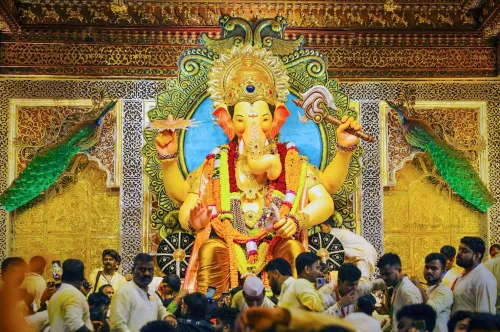
A festival celebrated by tens of millions across Maharashtra just got its own digital monument. Chief Minister Devendra Fadnavis on Wednesday, 30 September 2026, launched 'Bappa.org' — a digital archive platform dedicated to Ganesh festival stories, traditions, and community experiences — with an explicit ambition: to win Ganeshotsav recognition as a world heritage event.
The launch took place at The Asiatic Society, Mumbai, under the umbrella of 'Ganpati Rajya Mahotsav 2026' (Ganesh State Festival 2026). Fadnavis personally uploaded the story of his own home Ganesh celebration to inaugurate the platform — a symbolic first entry into an archive that is meant to eventually hold tens of thousands of such accounts.
40,000 villages, one living archive
The scale of the ambition is striking. Fadnavis stated that the initiative aims to reach approximately 40,000 villages across Maharashtra, documenting the Ganesh idols, festival traditions, and unique community stories from each. The platform, accessible at bappa.org, is designed to capture the full emotional and devotional spectrum — from intimate household bal Ganesh celebrations to the thundering energy of public Sarvajanik Ganeshotsav.
Beyond Maharashtra's borders, the platform intends to map Ganesh worship across Asia. CM Fadnavis noted that Lord Ganesha is venerated in several Asian nations — including Japan, where temples dedicated to Ganesha exist — and that the platform will reflect this transnational devotion.
The Bappa Rath and a 12-foot modak on the move
The event was not only digital. Fadnavis also flagged off the 'Bappa Rath', a state cultural float that will travel across the region carrying Ganesh-related stories and traditions to new audiences. The float's centrepiece — a 12-foot modak sculpture crafted by students and sculptors from Sir J. J. School of Art — drew immediate attention as a bold piece of public art in motion.
The modak itself will journey to multiple locations, using its travels as a vehicle for surfacing regional stories and cultural practices tied to Bappa. Minister Ashish Shelar and other dignitaries attended the event.
The heritage push behind the platform
State governments across India have increasingly built digital repositories as the first step toward formal intangible cultural heritage recognition — a pathway that requires documented evidence of a tradition's scale, continuity, and social significance. Maharashtra's Ganeshotsav, rooted in the public mobilisation championed by Bal Gangadhar Tilak in 1893, carries exactly that kind of depth: over a century of community memory, evolving artistic traditions, and a demonstrable role in social cohesion.
By aggregating stories from devotees at home and abroad, Bappa.org is quietly building the dossier that any formal nomination process would eventually demand. Whether a UNESCO bid follows will depend on the content pipeline from those 40,000 villages — but the architecture for one is now live.
A festival that once united a fractured colonial city is now reaching for a permanent place on the world's cultural map. The archive is open; the clock is running.
Point of View
Anchoring a BJP-led government to the deep emotional resonance of Ganeshotsav is also astute political positioning ahead of any future election cycle. The platform's success hinges on whether the content pipeline from rural Maharashtra actually materialises at the scale promised. If it does, this could become a template other Indian states replicate for their own signature festivals.
NationPress
30 Sept 2026
Frequently Asked Questions
What is Bappa.org and what is it used for?
Bappa.org is a digital archive platform launched by the Maharashtra government to document Ganesh festival stories, traditions, idol forms, and devotional experiences from across Maharashtra and other parts of Asia. It is designed to showcase the scale and significance of Ganeshotsav to a global audience.
Who launched Bappa.org and when?
Chief Minister Devendra Fadnavis launched Bappa.org on 30 September 2026 at The Asiatic Society, Mumbai , as part of the Ganpati Rajya Mahotsav 2026 .
What is the Bappa Rath flagged off by CM Fadnavis?
The Bappa Rath is a state cultural float flagged off by CM Fadnavis at the launch event. Its highlight is a 12-foot modak sculpture created by students and sculptors from Sir J. J. School of Art . The float will travel to multiple locations to spread Ganesh-related cultural stories.
How many villages will Bappa.org cover in Maharashtra?
CM Fadnavis stated that the initiative aims to reach approximately 40,000 villages across Maharashtra to document local Ganesh idols, traditions, and stories.
Is Maharashtra trying to get Ganeshotsav UNESCO heritage status?
Yes. CM Fadnavis explicitly stated that Bappa.org is part of an effort to secure global heritage recognition for Ganeshotsav. Building a large-scale digital documentation archive is widely understood as a prerequisite for formal heritage nomination processes.