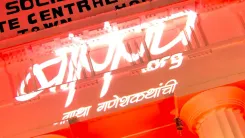
CM Fadnavis Launches Bappa.org to Archive 40,000 Villages' Ganesh Stories

Synopsis
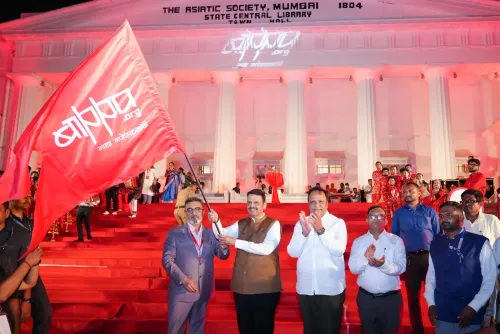
Maharashtra CM Devendra Fadnavis inaugurated Bappa.org, a digital archive of Ganeshotsav traditions from 40,000 villages, and flagged off the Bappa Rath carrying a 12-foot modak by J. J. School of Arts students, all under Ganpati Rajya Mahotsav 2026.
Key Takeaways
Bappa.org launched on 30 September 2026 in Mumbai by CM Devendra Fadnavis under Ganpati Rajya Mahotsav 2026 .
The platform will archive Ganeshotsav traditions, idol stories, and worship practices from approximately 40,000 villages across Maharashtra.
The 'Bappa Rath' was flagged off, featuring a 12-foot-tall modak created by students and sculptors of Sir J.
School of Arts , Mumbai.
The archive is targeted at audiences across India and the global Maharashtrian diaspora.
Minister Ashish Shelar and other dignitaries attended the inauguration ceremony.
Public Ganeshotsav has its roots in Bal Gangadhar Tilak's 1893 initiative to build social and political unity in Maharashtra.
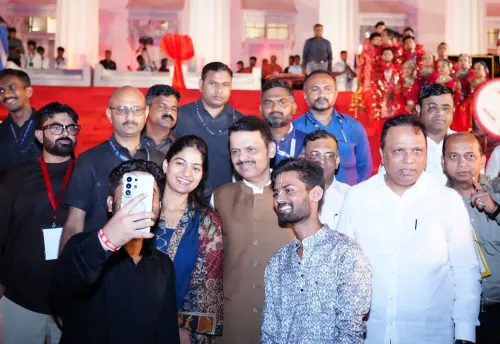
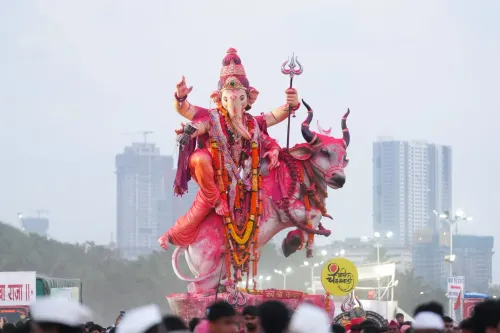
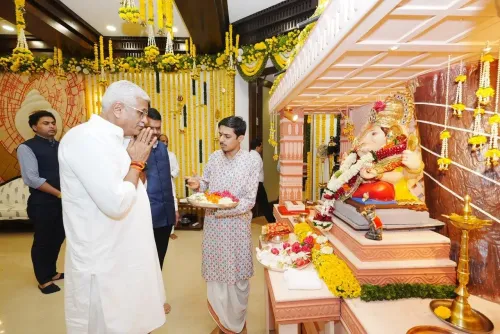
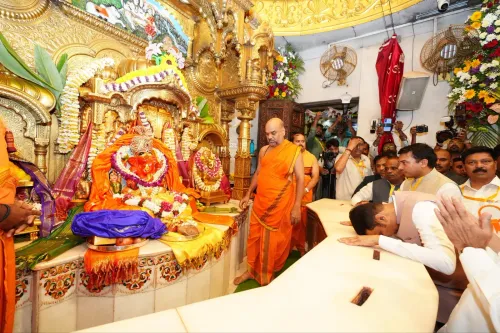
A festival that has united Maharashtra for over a century just found a permanent digital home. Maharashtra Chief Minister Devendra Fadnavis on Wednesday, 30 September 2026, inaugurated Bappa.org — a digital archive titled 'Gatha Ganesh-kathanchi' (Stories of Ganesh-lore) — in Mumbai, bringing the living traditions of Ganeshotsav from nearly 40,000 villages across the state onto a single global platform.
What Bappa.org will hold — and why 40,000 villages matter
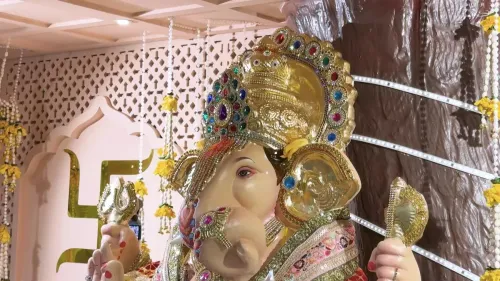
The archive is not merely a photo gallery. It is designed to capture the deep, hyper-local texture of Ganeshotsav: the story behind each idol's form, the unique rituals of individual villages, the prayers and songs passed from grandparent to grandchild. Each of Maharashtra's roughly 40,000 villages carries its own relationship with Bappa, and until now those traditions existed only in memory and in local practice — invisible to the world beyond the next taluka.
Bappa.org is the state government's attempt to change that. Launched under the Ganpati Rajya Mahotsav 2026 umbrella, the platform aims to give every community — from a coastal Konkan hamlet to a Vidarbha market town — an equal shelf in a shared cultural library. The audience, as CM Fadnavis framed it, is not just Maharashtra: it is India and the global diaspora.
The Bappa Rath and J. J. School of Arts' 12-foot modak
The inauguration had a kinetic centrepiece. CM Fadnavis also flagged off the 'Bappa Rath', a travelling vehicle featuring a 12-foot-tall modak — crafted by students and sculptors of the storied Sir J. J. School of Arts, Mumbai's premier art institution. The Rath will physically carry the spirit of the archive on the road, bringing Bappa's cultural stories to different parts of the state. Minister Ashish Shelar and other dignitaries were present at the ceremony.
Tilak's 1893 vision, now encoded in pixels
Public Ganeshotsav as Maharashtra knows it was deliberately shaped by Bal Gangadhar Tilak in 1893 — a masterstroke of social engineering that converted a household puja into a community congress, cutting across caste and class to build collective identity. That political and social genius has animated the festival for 133 years. What Bappa.org attempts now is an archival extension of the same impulse: not just celebrate together, but remember together — and share that memory with the world.
Maharashtra governments have periodically backed documentation of intangible cultural heritage, but a village-by-village digital repository at this scale is a step beyond earlier efforts. The real test begins now, with how many Ganesh mandals, local historians, and ordinary families actually upload their stories — turning a government launch into a living, crowd-sourced archive.
Point of View
A balance that will determine its long-term vitality. The choice of Sir J. J. School of Arts to craft the Rath's centrepiece is also meaningful: it ties a heritage institution to a living festival, reinforcing the government's broader narrative of continuity between Maharashtra's artistic legacy and its present identity. Whether the archive genuinely grows into a crowd-sourced repository or remains a well-designed launch-day presence depends entirely on grassroots participation in the months ahead.
NationPress
30 Sept 2026
Frequently Asked Questions
When was Bappa.org launched and by whom?
Bappa.org was inaugurated on 30 September 2026 in Mumbai by Maharashtra Chief Minister Devendra Fadnavis as part of the Ganpati Rajya Mahotsav 2026.
What is the Bappa Rath?
The Bappa Rath is a travelling vehicle flagged off by CM Fadnavis at the same ceremony, featuring a 12-foot-tall modak crafted by students and sculptors of Sir J. J. School of Arts, Mumbai. It will carry Bappa's cultural stories to different places.
Who started public Ganeshotsav in Maharashtra?
Public Ganeshotsav celebrations were popularised by freedom fighter Bal Gangadhar Tilak in 1893 to foster social and political unity across communities in Maharashtra.
What is Ganpati Rajya Mahotsav 2026?
Ganpati Rajya Mahotsav 2026 is a state-level celebration of Ganeshotsav organised by the Maharashtra government, focused on documenting and promoting the state's regional Ganesh festival traditions, under which Bappa.org was launched.