West Bengal hospitals told to supply free prescribed medicines

Synopsis
West Bengal has told state-run hospitals to arrange prescribed medicines free for patients, even when stocks run short, and barred hawkers and private shops from inpatient and outpatient areas.
Key Takeaways
The West Bengal Health Department issued two measures for state-run medical facilities on Tuesday, 24 November .
Hospital authorities must supply prescribed medicines and arrange them free if they are unavailable in hospital stock.
A department official said the medicine directive sought to break an alleged nexus involving some medical staff and nearby chemists.
Hawkers and private shops are barred from inpatient and outpatient departments under a separate notification.
Security in those departments was strengthened from Tuesday afternoon to enforce the ban.
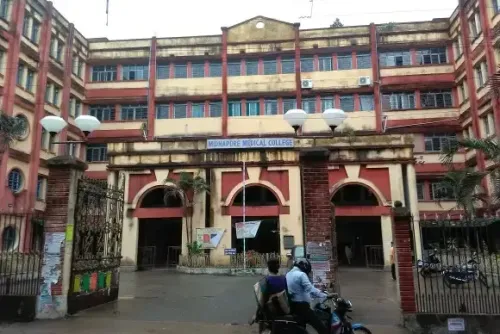
The West Bengal Health Department on Tuesday, 24 November, directed state-run hospitals and medical colleges to supply prescribed medicines to patients and barred hawkers and private shops from inpatient and outpatient premises. The measures address complaints about hospital work culture and conditions on their premises.
Hospital heads have been told not to ask patients’ families to purchase prescribed medicines from outside. Security was also strengthened from Tuesday afternoon to enforce the ban on hawkers and private shops.
Hospitals directed to arrange medicines
The department sent instructions to Medical Superintendents-cum-Vice Principals (MSVPs) of state-run medical colleges and hospitals, as well as the heads of other state-run hospitals. The directions target a practice in which a section of doctors and medical staff ask relatives of admitted patients to obtain prescribed medicines from outside.
According to health department insiders, hospital managers must ensure that prescribed medicines are supplied from hospital stock. Where a particular medicine is unavailable, the hospital authorities will be responsible for procuring it and making it available to the patient free of cost, a department official said.
The official said the initiative was intended to break an alleged nexus between a section of doctors and medical staff and chemists and druggists operating near state-run medical facilities. The source did not provide details of individual cases or identify those allegedly involved.
Ban covers inpatient and outpatient areas
A separate health department notification bars hawkers and private shops from the inpatient and outpatient departments of state-run medical facilities. The notification said the restriction was necessary to preserve the sanctity and cleanliness of hospital premises and maintain health standards.
Security arrangements in both departments were strengthened from Tuesday afternoon to support enforcement. The source did not specify how the restriction would be monitored over time or whether further measures would follow.
Doctors cite patient safety and privacy
Members of the state’s medical fraternity welcomed the move, saying it was needed to protect patient safety and privacy. A doctor at the state-run Calcutta Medical College and Hospital said crowded outpatient departments could become more difficult to manage when hawkers were present.
The doctor also raised the possibility of cross-contamination when patients with contagious diseases attend outpatient departments and hawkers move freely through the premises. The concern was presented as a possibility, not as evidence of a documented outbreak.
Implementation across state facilities
The medicine directive places responsibility on hospital authorities both to use their stocks and to arrange supplies when an item is unavailable. For patients and their families, its effect will depend on how consistently individual facilities carry out those instructions.
The restrictions on hawkers and private shops apply to both inpatient and outpatient areas, while the medicine instructions address prescriptions for admitted patients. Hospital heads and security personnel will now be responsible for putting the respective measures into practice.
Point of View
But the department’s promise needs transparent stock monitoring and a clear way to report violations. The hawker ban also needs consistent enforcement that protects patients without disrupting access to essential services.
NationPress
24 Nov 2026
Frequently Asked Questions
What has West Bengal directed state-run hospitals to do?
West Bengal has directed state-run hospitals to supply prescribed medicines to patients and barred hawkers and private shops from inpatient and outpatient areas. Hospital authorities must arrange unavailable medicines free of cost, according to a health department official.
Will patients have to buy unavailable medicines from outside?
The directive says hospital authorities must procure unavailable prescribed medicines and provide them to patients free of cost. Families of admitted patients should not be asked to obtain the medicines from outside, according to health department insiders.
Why did West Bengal ban hawkers from hospital departments?
The health department said the ban was needed to preserve cleanliness and health standards on hospital premises. Doctors also cited patient safety and privacy, with one raising the possibility of cross-contamination.
Where does the hospital hawker ban apply?
The ban applies to inpatient and outpatient departments at state-run medical facilities in West Bengal. Security arrangements in those areas were strengthened from Tuesday afternoon to enforce it.
Who is responsible for implementing the medicine directive?
Medical Superintendents-cum-Vice Principals and heads of state-run hospitals have been instructed to ensure prescribed medicines are provided. The department also expects hospital authorities to procure medicines that are not available in stock.