West Bengal tightens blood donation camp norms amid irregularity concerns
Synopsis
West Bengal's health department is cracking down on blood donation camps where cost-cutting organisers have been quietly deploying medical students — not qualified doctors — to conduct pre-donation health checks. The move, coupled with active inspections of private blood banks over alleged black-marketing, signals a significant regulatory reset for the state's blood supply chain.
Key Takeaways
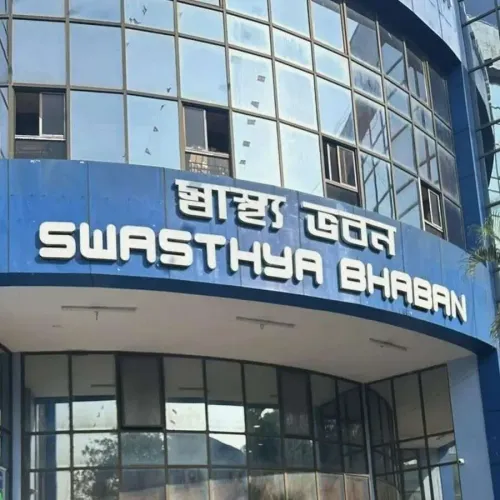
West Bengal health department has announced stricter norms for blood donation camps run by private blood banks, NGOs, and voluntary organisations.
Organisers are now required to appoint only qualified doctors with valid registration numbers as medical officers — medical students and interns are explicitly barred.
Camp organisers must share medical officer details with the state health department before each camp; violations will attract strict action.
All medical colleges and hospitals — state-run and private — will be directed to warn students about disciplinary consequences, including denial of registration, for unauthorised participation.
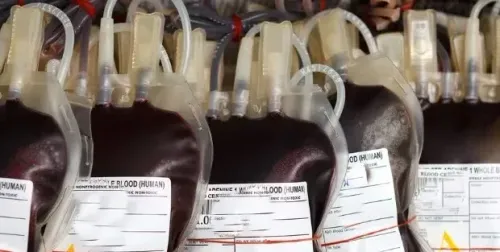
The health department has already begun infrastructure inspections of private blood banks amid reports of blood and plasma black-marketing across the state.
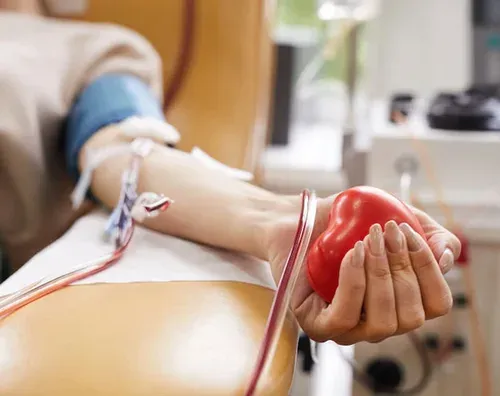
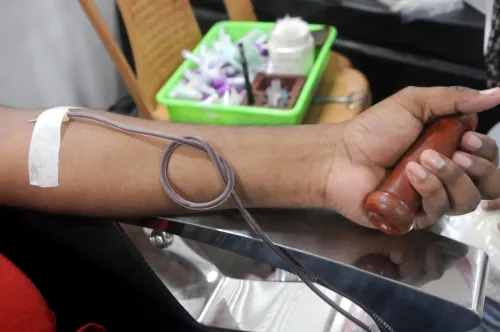
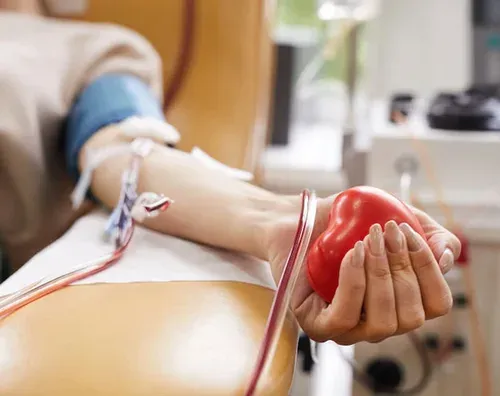
West Bengal's state health department has moved to overhaul the regulatory framework governing blood donation camps across the state, announcing stricter norms for the appointment of medical officers, blood collection practices, and distribution oversight. The decision follows a series of reported irregularities at camps run by privately operated blood banks, voluntary organisations, and non-governmental organisations in various districts of the state.
The Core Concern: Unqualified Medical Officers
The most pressing issue flagged by the department is the practice of hiring medical students instead of qualified, registered doctors as medical officers at blood donation camps — reportedly done to cut costs. A senior official from the state health department confirmed that this had recently come to the department's notice.
'In any blood donation camp, the donor concerned is first examined by qualified doctors about his health conditions. So, the roles of the medical officers in blood donation camps are immense and any misjudgement on their behalf during the pre-donation medical examination can prove to be quite risky for the donors concerned,' the official said. 'Under no circumstance should medical students or medical interns be appointed as medical officers for such blood donation camps.'
New Accountability Measures for Organisers
Under the revised framework, blood donation camp organisers will be required to verify the background and registration numbers of all doctors appointed as medical officers before the camps are held. Organisers must also keep the state health department updated with details of appointed medical officers. Any violation of these norms will attract strict action by the department against the organisers concerned, according to the official.
Medical Colleges to Brief Students on Risks
The state government will also direct authorities of all medical colleges and hospitals — both state-run and private — to formally brief medical students about the disciplinary consequences of acting as medical officers at blood donation camps without authorisation.
'The medical students often might not be aware that accepting offers to operate as medical officers can attract severe disciplinary action against them including denial of registration,' the official noted. 'It will be the duty of the medical college and hospital authorities concerned to make their students aware of the disciplinary complications in the matter.'
Crackdown on Black-Marketing and Infrastructure Gaps
Separately, the state health department has already initiated inspections of the infrastructure of private blood banks across West Bengal, amid reports of blood and plasma black-marketing surfacing from multiple locations. The inspections are aimed at verifying whether these banks possess adequate facilities for screening and preserving collected blood — and whether their infrastructure is proportionate to the volume of blood collected through their camps.
This regulatory tightening comes amid a broader national conversation around blood bank oversight, with several states having flagged similar concerns about private operators prioritising collection targets over donor safety. The next steps from the West Bengal health department — including the formal notification of the revised norms — are expected to be announced in the coming weeks.
Frequently Asked Questions
Why is West Bengal tightening norms for blood donation camps?
The state health department is tightening norms following reported irregularities at blood donation camps organised by private blood banks, NGOs, and voluntary organisations across West Bengal. Key concerns include the hiring of medical students instead of qualified doctors as medical officers, and reports of blood and plasma black-marketing.
What are the new rules for medical officers at blood donation camps in West Bengal?
Organisers must appoint only qualified doctors with valid registration numbers as medical officers. Medical students and interns are explicitly barred from this role. Organisers are also required to share the details of appointed doctors with the state health department before the camp.
What happens if a blood donation camp organiser violates the new norms?
The state health department has warned that any violation will attract strict action against the organiser. Medical students who accept such assignments also risk severe disciplinary consequences, including denial of medical registration.
What is the state doing about blood black-marketing in West Bengal?
The health department has already begun inspecting the infrastructure of private blood banks across the state. Inspections are checking whether banks have adequate screening and preservation facilities relative to the volume of blood they collect — a key indicator of whether collected blood is being diverted.
How does this affect medical colleges in West Bengal?
All medical colleges and hospitals — both state-run and private — will be directed to formally brief students on the risks of acting as medical officers at blood donation camps without authorisation, including the possibility of being denied medical registration.