CM Dhami Flags 30% Women Quota in Uttarakhand Govt Jobs
Synopsis
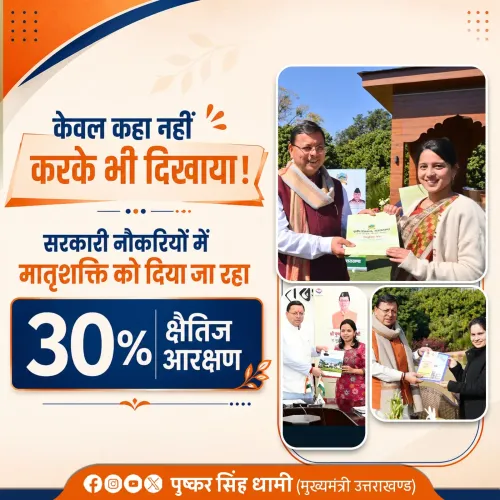
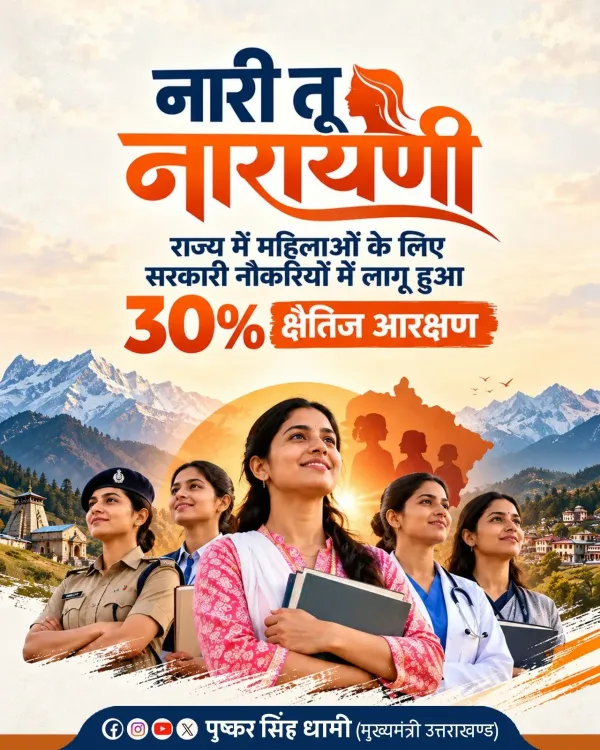
Uttarakhand CM Pushkar Singh Dhami reaffirmed a 30% horizontal reservation for women across all categories in state government jobs on October 13, 2026, citing equal opportunity and self-reliance as the government's core resolve.
Key Takeaways
Uttarakhand CM Pushkar Singh Dhami publicly reaffirmed a 30% horizontal reservation for women in state government jobs on October 13, 2026 .
A horizontal reservation operates across all vertical categories (SC, ST, OBC, General), ensuring women's share within each pool — not just overall.
The policy is grounded in Articles 15(3) and 16 of the Indian Constitution, which permit special provisions for women in public employment.
Multiple Indian states have enacted similar reservations at 30%–35% to address gender gaps in the government workforce.
Implementation details — including formal government orders and recruitment notifications — are the key metrics to watch for actual impact.
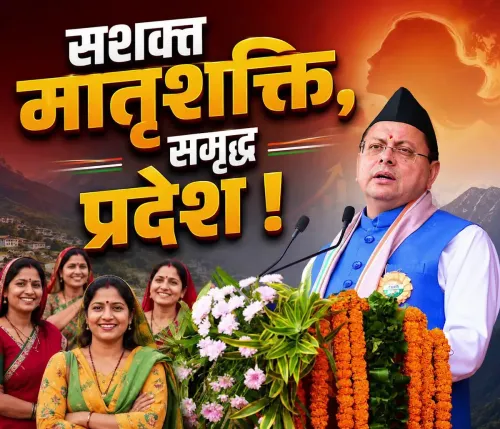
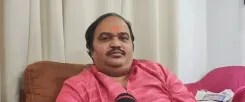
A concrete promise on gender equity is now a declared policy cornerstone in Uttarakhand. Chief Minister Pushkar Singh Dhami on Tuesday, October 13, 2026, reaffirmed his government's commitment to a 30% horizontal reservation for women in state government jobs, calling it a decisive step toward making the state's mातृशक्ति ('women power') truly self-reliant and equal in opportunity.
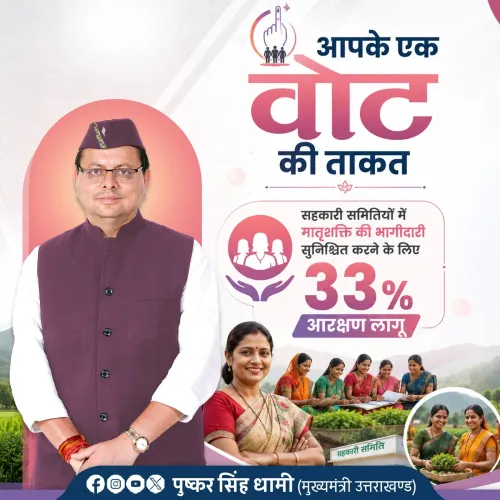
Posting in Hindi, Dhami wrote that his government is 'continuously working with the resolve to empower the women of the state, make them self-reliant, and ensure their equal participation in opportunities.' The 30% horizontal reservation provision, he said, is 'an important step in the direction of women's empowerment.'
What a Horizontal Reservation Actually Means
The phrase 'horizontal reservation' carries legal and practical weight that goes beyond a headline number. Unlike vertical reservations — which carve out separate pools for SC, ST, and OBC categories — a horizontal reservation cuts across all those categories. In practice, within every vertical category, at least 30% of the seats must go to women candidates. The mechanism is grounded in Articles 15(3) and 16 of the Indian Constitution, which explicitly permit special provisions for women in public employment and education.
Where Uttarakhand Stands Among Indian States
Uttarakhand is not charting entirely new territory — several Indian states have enacted horizontal reservations for women in public employment at levels ranging between 30% and 35% to address persistent gender gaps in the government workforce. What gives this announcement its significance is the scale and the political framing: a BJP-governed state in northern India publicly anchoring its identity around women's workforce participation, a theme that has become a consistent thread across BJP-led state administrations in the region.
The state itself — carved out of Uttar Pradesh in 2000 — has been under BJP governance since 2017, and Dhami, who took charge as Chief Minister in 2021, has repeatedly positioned social welfare and women's empowerment as signature policy pillars of his administration.
The Implementation Question
Policy declarations are only as strong as their execution architecture. The critical details still being watched include formal government orders specifying the implementation timeline, the exact category-wise application of the quota, and whether new recruitment notifications from Uttarakhand's state departments will reflect the provision immediately. Women job aspirants across the state and various government departments are the most direct stakeholders — and for them, the shift from announcement to notified recruitment cycle is the moment that counts.
Thirty percent is not a symbolic gesture — applied consistently, it can structurally alter the demographic composition of Uttarakhand's civil services within a single recruitment generation. The clock on that transformation starts when the first notification goes out.
Point of View
Which operate within existing vertical categories, are legally cleaner than expanding overall quotas and carry less political risk of backlash from other groups — making them an increasingly preferred tool. The announcement also signals a conscious effort to counter the perception that hill-state governance is male-dominated in its workforce. Whether the policy translates into measurable hiring outcomes or remains a political talking point will depend entirely on the pace and transparency of actual recruitment cycles.
NationPress
13 Oct 2026
Frequently Asked Questions
What is the 30% horizontal reservation for women in Uttarakhand government jobs?
It is a state policy that reserves 30% of seats for women within each vertical reservation category (SC, ST, OBC, General) in Uttarakhand government jobs, ensuring women's representation across all categories rather than in a single separate pool.
What is the difference between horizontal and vertical reservation?
Vertical reservations create separate pools for communities like SC, ST, and OBC. Horizontal reservations, like the 30% for women in Uttarakhand, cut across all those vertical pools, guaranteeing a minimum share for women within each category.
Is Uttarakhand the only Indian state with women's reservation in government jobs?
No. Multiple Indian states have enacted horizontal reservations for women in public employment, typically at levels between 30% and 35%, to address gender gaps in the government workforce.
What is the constitutional basis for reserving government jobs for women in India?
Articles 15(3) and 16 of the Indian Constitution permit special provisions for women in public employment and education, providing the legal foundation for horizontal reservations like the one in Uttarakhand.
When did Pushkar Singh Dhami become Chief Minister of Uttarakhand?
Pushkar Singh Dhami has served as Chief Minister of Uttarakhand since 2021. Uttarakhand has been governed by the BJP since 2017.