CM Dhami Highlights 30% Women Job Quota in Uttarakhand
Synopsis
Uttarakhand Chief Minister Pushkar Singh Dhami has spotlighted the state's 30 percent horizontal reservation for women in government jobs and credited PM Modi's welfare schemes for advancing women's social, economic and administrative participation across the state.
Key Takeaways
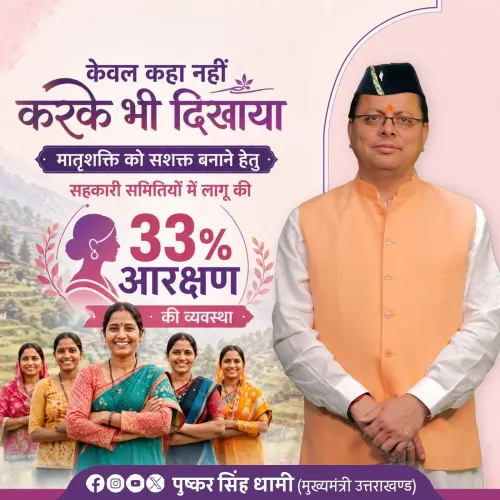
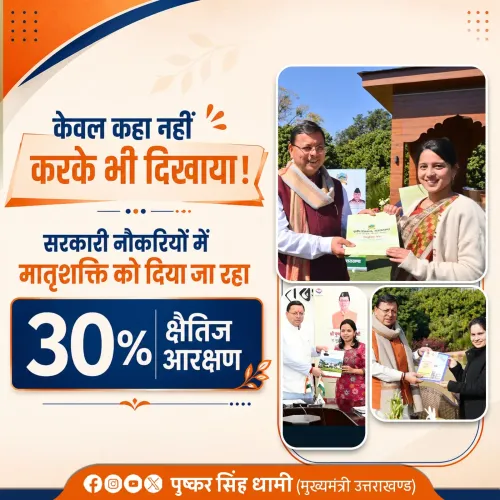
Uttarakhand provides a 30 percent horizontal reservation for women across all categories in state government recruitment.
CM Pushkar Singh Dhami credited PM Narendra Modi's leadership and central schemes for driving women's self-reliance in the state.
Central schemes cited include Beti Bachao Beti Padhao (2015) and Pradhan Mantri Ujjwala Yojana (2016).
Similar 30–33 percent women's job reservations exist in Madhya Pradesh , Rajasthan and Uttar Pradesh .
The post tagged BJP National President Nitin Nabin , signalling the party's organisational endorsement of the policy.
Upcoming state recruitment notifications will test whether the quota is consistently applied in practice.
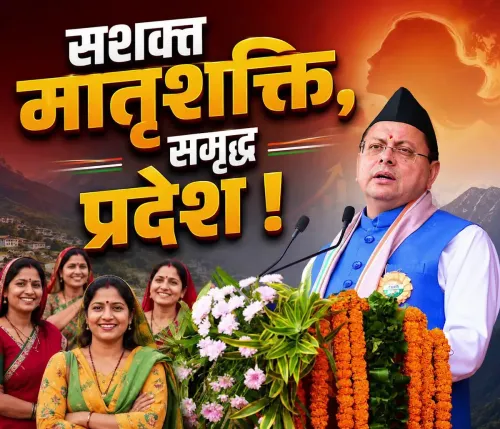
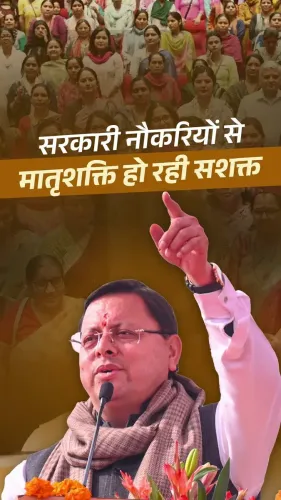
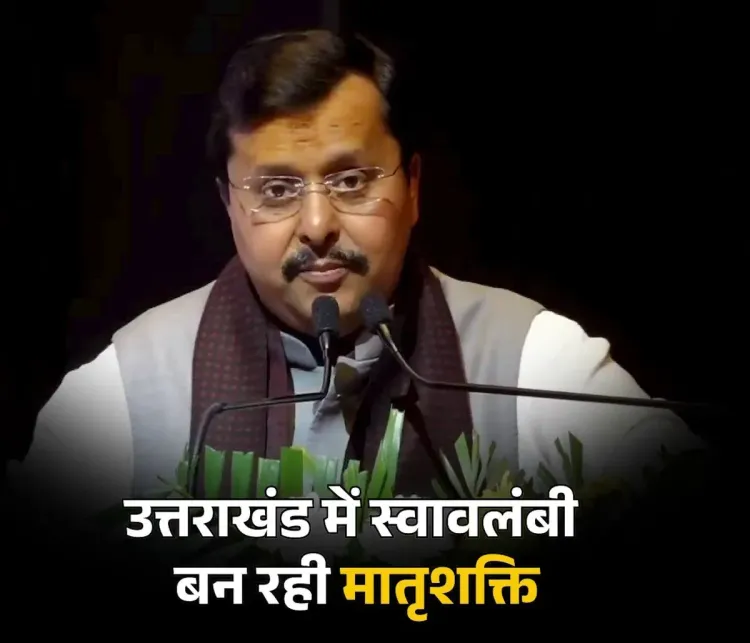
Uttarakhand Chief Minister Pushkar Singh Dhami on Saturday, 30 May 2026, highlighted the state government's commitment to women's empowerment, citing a 30 percent horizontal reservation for women in government services and the role of central welfare schemes in bringing women into the economic mainstream.
Context
In his post on X, CM Dhami credited Prime Minister Narendra Modi's leadership for connecting women to development through various welfare initiatives. He wrote, 'mahilaon ko swavalambi evam aatmanirbhar banakar vikas ki mukhyadhara se joda ja raha hai' — ('women are being made self-reliant and independent and connected to the mainstream of development'). The post also acknowledged BJP National President Nitin Nabin, tagging him in the message.
The statement underscores the dual approach being pursued: central-government schemes that address social and economic barriers for women, combined with state-level affirmative action in public employment.
Policy Backdrop
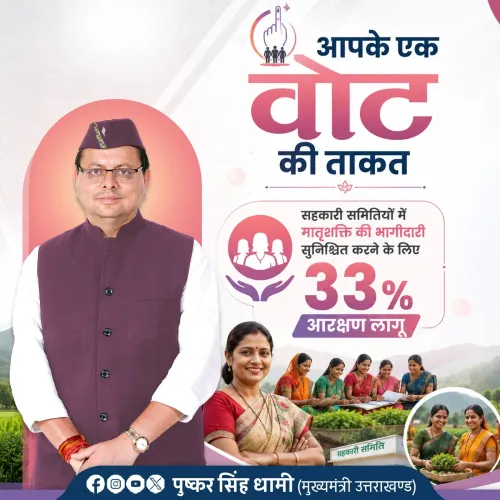
The 30 percent horizontal reservation for women in Uttarakhand government jobs ensures that across all recruitment categories, at least three in ten posts are filled by women candidates. Horizontal reservations operate across vertical categories — general, OBC, SC, ST — meaning women from each category benefit proportionately.
At the national level, schemes such as Beti Bachao Beti Padhao (launched 2015) and the Pradhan Mantri Ujjwala Yojana (launched 2016) have targeted women's education, health and access to clean cooking fuel. CM Dhami's post frames these central initiatives as the broader scaffolding within which the state's reservation policy operates.
Similar 30–33 percent horizontal job reservations for women exist in Madhya Pradesh, Rajasthan and Uttar Pradesh, reflecting a wider pattern among BJP-governed states of pairing central welfare outreach with state-level employment guarantees for women.
Stakeholders and Impact
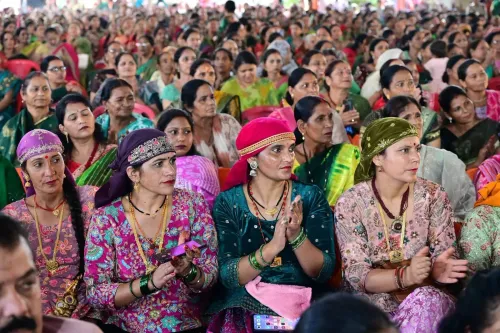
The primary beneficiaries are women in Uttarakhand who are aspirants for state government positions — a group that has historically been underrepresented in administrative roles. The reservation applies across departments, potentially expanding women's presence in both frontline services and administrative cadres.
Women's self-help groups and beneficiaries of centrally sponsored schemes in the state also stand to gain from the broader ecosystem of support that CM Dhami described. Social, economic and administrative participation — the three dimensions he specifically named — point to a multi-pronged metric by which the government intends to measure progress.
What's Next
Attention will now turn to upcoming recruitment notifications from Uttarakhand's state service commissions to see how consistently the 30 percent horizontal quota is applied in practice. Tracking the share of women in newly filled government posts over the next recruitment cycle will be a key indicator of whether the policy is translating into measurable administrative change.
With BJP National President Nitin Nabin tagged in the post, the message also carries an organisational dimension — signalling that women's empowerment remains a central plank of the party's governance narrative ahead of future electoral cycles in the state.
Point of View
But foregrounding it alongside central schemes like Ujjwala and Beti Bachao Beti Padhao frames Uttarakhand as a model implementer of the Modi government's social agenda. This dual-attribution strategy — crediting the Prime Minister while showcasing a state-level measure — is characteristic of how BJP chief ministers build political capital within the party hierarchy. The real test will be recruitment data: whether the quota consistently translates into filled posts or remains a headline figure.
NationPress
24 Sept 2026
Frequently Asked Questions
What is the 30 percent horizontal reservation for women in Uttarakhand government jobs?
It means that in every state government recruitment drive in Uttarakhand, at least 30 percent of posts must be filled by women candidates, applied across all vertical categories such as general, OBC, SC and ST.
Which central schemes did CM Dhami mention for women's empowerment?
CM Dhami's post referenced the broader set of central welfare schemes under PM Modi, which include Beti Bachao Beti Padhao (2015) and Pradhan Mantri Ujjwala Yojana (2016), aimed at education, health and economic self-reliance for women.
Do other BJP-governed states have similar women's job reservations?
Yes. Madhya Pradesh, Rajasthan and Uttar Pradesh have implemented 30–33 percent horizontal reservations for women in government employment, reflecting a common policy approach across BJP-ruled states.
Who is Nitin Nabin and why was he tagged in CM Dhami's post?
Nitin Nabin is the National President of the BJP. CM Dhami tagged him in the post, indicating the message was partly addressed to the party leadership and aligns with the BJP's organisational emphasis on women's empowerment as a governance theme.
What does horizontal reservation mean compared to vertical reservation?
Vertical reservations divide posts between broad categories like SC, ST and OBC. Horizontal reservations like the 30 percent women's quota cut across all these vertical categories, ensuring women within each category also receive a defined share of posts.