CM Dhami: 315 PMGSY-IV Roads for Uttarakhand Worth ₹2,708 Cr
Synopsis
Uttarakhand CM Pushkar Singh Dhami announced approval for 315 rural roads under PMGSY Phase IV at a cost of ₹2,708 crore, set to connect 610 habitations. The decision emerged from a state cabinet meeting in Haridwar that also launched a Kumbh Mela website.
Key Takeaways
315 roads approved under PMGSY Phase IV for Uttarakhand, with a total outlay of ₹2,708 crore .
The roads will connect 610 habitations , strengthening all-weather rural connectivity in hilly terrain.
Announcement made by CM Pushkar Singh Dhami on October 13, 2026 , crediting PM Narendra Modi's leadership.
A state cabinet meeting in Haridwar passed a gratitude resolution marking PM Modi's 25 years of public service .
The cabinet also launched a Kumbh Mela website and official album to project Haridwar Kumbh's identity globally.
Uttarakhand has sought expanded PMGSY central sanctions for hilly and border-area villages since 2014 .
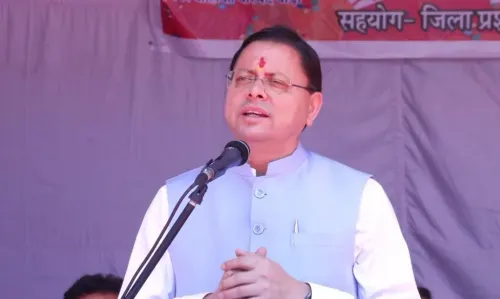
₹2,708 crore, 315 roads, 610 habitations — and every single one of them in the mountains. Uttarakhand Chief Minister Pushkar Singh Dhami on Tuesday, October 13 announced that the state has received approval for the construction of 315 roads under Phase IV of the Pradhan Mantri Gram Sadak Yojana (PMGSY), a sanction he credited to the leadership of Prime Minister Narendra Modi.
315 roads, 610 villages — what the Phase IV sanction covers
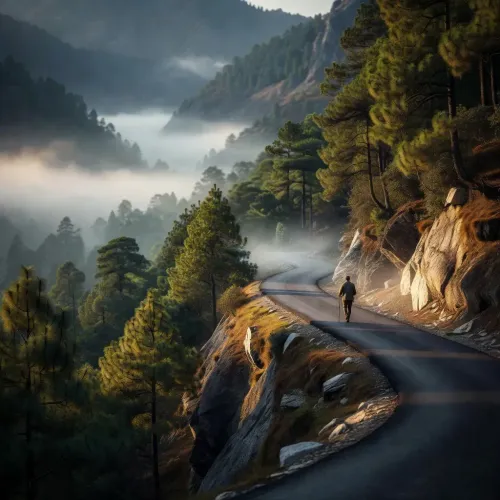
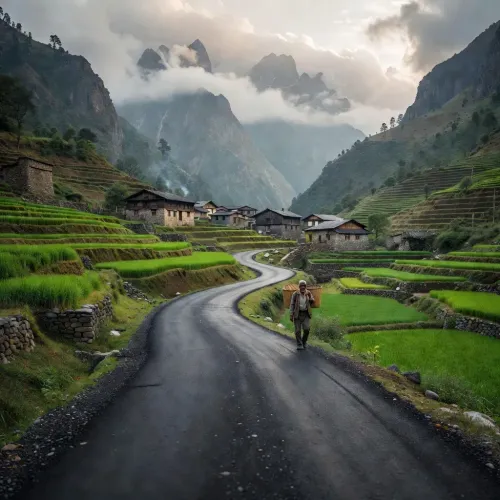
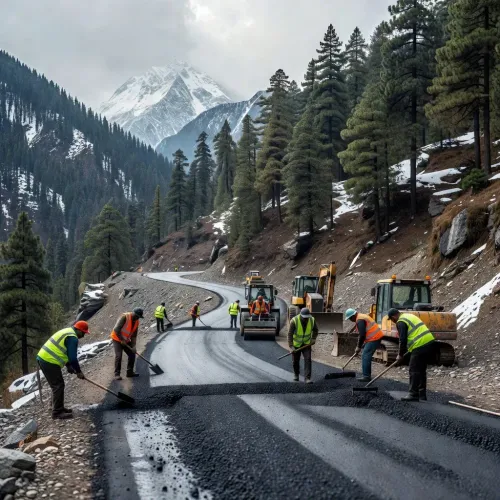
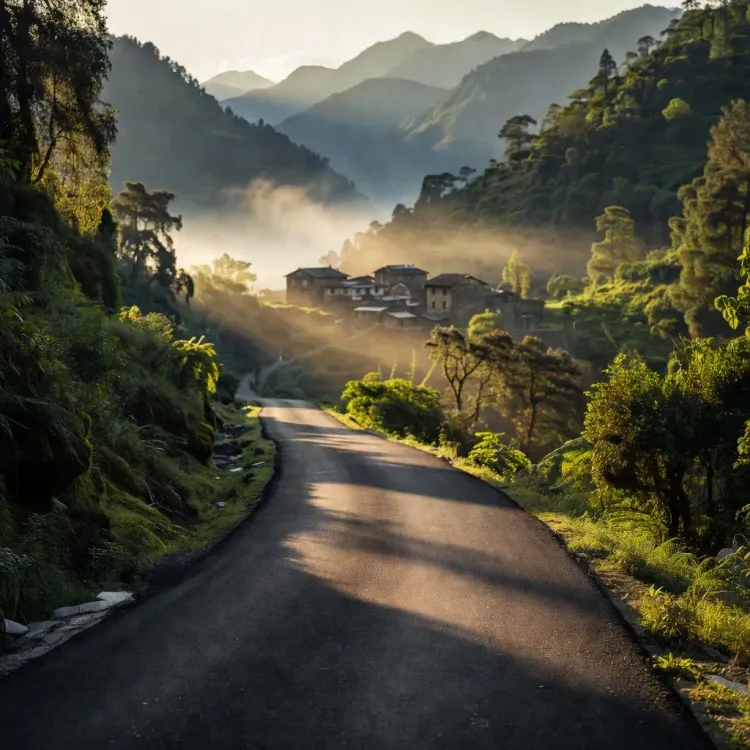
The approval greenlights rural road construction worth ₹2,708 crore that will link 610 previously unconnected or poorly connected settlements across Uttarakhand. In a state where high-altitude terrain and seasonal weather routinely sever communities from markets, hospitals, and schools, all-weather road access is not a convenience — it is a lifeline. CM Dhami described the sanction as providing 'new strength to rural connectivity' in the state.
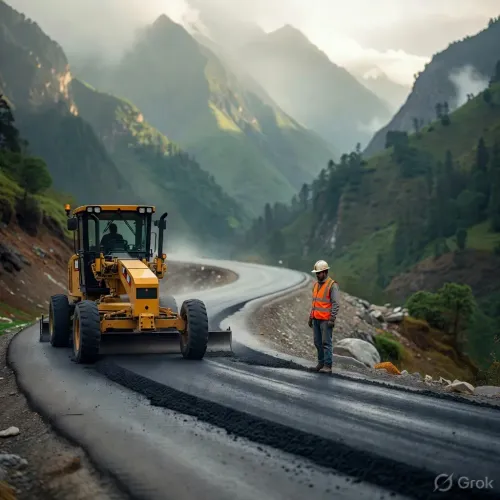
The announcement positions Uttarakhand as one of the early beneficiaries of PMGSY Phase IV, the latest iteration of the central rural roads programme first launched in 2000. The earlier Phase III, approved in 2019, had focused on upgrading existing roads in hilly states; Phase IV now pushes further into fresh connectivity gaps, particularly relevant for Himalayan terrain where disaster resilience depends as much on road quality as on relief logistics.
Haridwar cabinet meeting: where the decisions landed
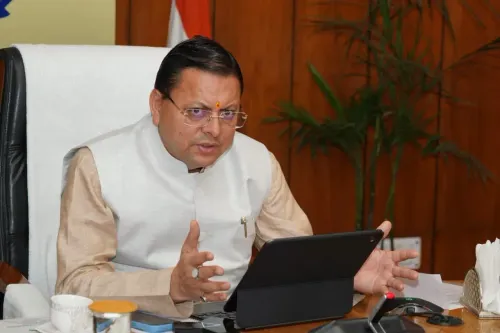
The announcement came out of a state cabinet meeting held in Haridwar — itself a deliberate choice of venue for the BJP government, which has consistently worked to place the city at the centre of its religious-tourism and governance agenda. Beyond the PMGSY sanction, the cabinet passed a gratitude resolution marking Prime Minister Modi's 25 years of public service and took several decisions on state development and administrative reforms, though the precise details of those decisions remain to be officially disclosed.
The meeting also saw the formal launch of a Kumbh Mela website and an official album aimed at projecting the Haridwar Kumbh's religious, spiritual, and cultural identity on a global platform. The Kumbh Mela — held every 12 years in Haridwar — has been a cornerstone of Uttarakhand's tourism and soft-power strategy, and the digital outreach signals that the next Kumbh cycle preparations are already in motion.
Uttarakhand's long road-connectivity deficit
The scale of the PMGSY-IV sanction reflects a gap the state has flagged for years. Uttarakhand, carved out of Uttar Pradesh in 2000, inherited a connectivity deficit in its hilly districts that standard road-building economics alone could not solve — terrain costs are higher, weather windows shorter, and population density too thin to attract private investment. The state government has repeatedly sought additional central sanctions for hilly and border-area villages since 2014, making Tuesday's approval a significant milestone in that multi-year push.
For the 610 habitations set to benefit, the roads represent access to the wider economy: goods reaching markets, ambulances reaching homes, children reaching schools without a half-day trek. At ₹2,708 crore, the average per-road allocation works out to roughly ₹8.6 crore — consistent with the elevated construction costs typical of Himalayan terrain.
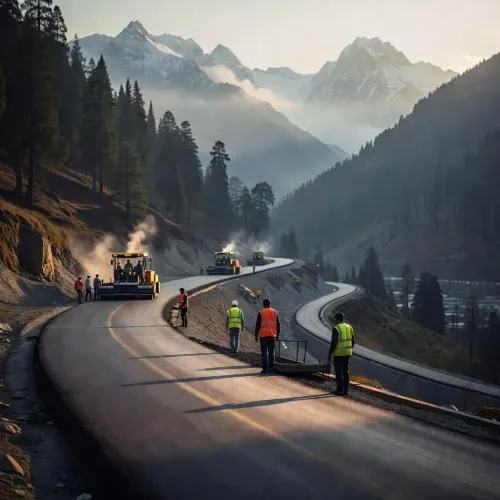
The mountain roads have been approved. Now comes the harder part — cutting through the altitude and the seasons to actually build them.
Point of View
Reinforcing the party's developmental narrative in a state it has held since 2017. For CM Dhami, securing a ₹2,708 crore central approval is a tangible deliverable at a time when rural development credibility is essential currency in mountain constituencies. The Haridwar cabinet meeting choice and the simultaneous Kumbh digital-outreach launch also signal a deliberate blending of infrastructure politics with religious-cultural soft power — a combination the state government has refined over successive years. Whether the roads translate from sanction to tarmac within election-relevant timelines will be the real test of the announcement's political and developmental weight.
NationPress
13 Oct 2026
Frequently Asked Questions
What is PMGSY Phase IV and what has Uttarakhand been sanctioned?
PMGSY (Pradhan Mantri Gram Sadak Yojana) Phase IV is the latest iteration of India's central rural roads programme. Uttarakhand has been approved for the construction of 315 roads at a cost of ₹2,708 crore that will connect 610 habitations across the state.
How many villages will benefit from the new PMGSY roads in Uttarakhand?
A total of 610 habitations will be connected through the 315 new roads approved under PMGSY Phase IV for Uttarakhand.
What decisions were taken at the Haridwar cabinet meeting in October 2026?
The Uttarakhand cabinet meeting held in Haridwar approved the PMGSY Phase IV road sanction, passed a gratitude resolution for PM Modi's 25 years of public service, and launched a Kumbh Mela website and official album for global outreach.
What is the Haridwar Kumbh Mela website launched by the Uttarakhand government?
The Uttarakhand government launched a dedicated Kumbh Mela website and album at the Haridwar cabinet meeting to project the religious, spiritual, and cultural identity of the Haridwar Kumbh on a global platform ahead of the next Kumbh cycle.
How much does each PMGSY Phase IV road in Uttarakhand cost on average?
With ₹2,708 crore sanctioned for 315 roads, the average per-road cost works out to approximately ₹8.6 crore, reflecting the elevated construction expenses typical of Himalayan and hilly terrain.