CM Dhami: PMGSY Brings Roads to 1,860 Uttarakhand Villages
Synopsis
The Chief Minister's Office of Uttarakhand announced that PMGSY has connected 1,860 villages via 2,826 roads across 21,915 km in three phases at a cost of ₹11,595 crore. Phase 4 is now underway, targeting 1,479 roads across all 13 districts.
Key Takeaways
PMGSY has completed 2,826 roads spanning 21,915 km across three phases in Uttarakhand, at a cost of ₹11,595 crore .
1,860 villages have benefited from road connectivity under the first three phases of the scheme.
PMGSY-4 Phase 1 is underway: 184 roads covering 1,228.20 km at a cost of ₹1,707 crore will connect 309 villages .
Pauri Garhwal leads Phase 4's first cycle with 68 villages set to gain road access, followed by Almora and Tehri with 47 each.
The full PMGSY-4 plan covers all 13 districts of Uttarakhand with 1,479 roads totalling 9,344 km .
CM Pushkar Singh Dhami has committed to connecting all remote villages and has actively lobbied the Central government for expanded PMGSY coverage.
Roads that once took mountain villagers hours of treacherous trekking to navigate are now paved, passable, and transforming lives — and Uttarakhand's Chief Minister's Office has laid out exactly how far the Pradhan Mantri Gram Sadak Yojana (PMGSY) has reached across the state's forbidding Himalayan terrain. The official account of the Chief Minister's Office of Uttarakhand posted a detailed account on Friday, September 25, 2026, marking the scheme's entry into its fourth phase and the momentum building behind it.
Three Phases, 2,826 Roads, 1,860 Villages Connected
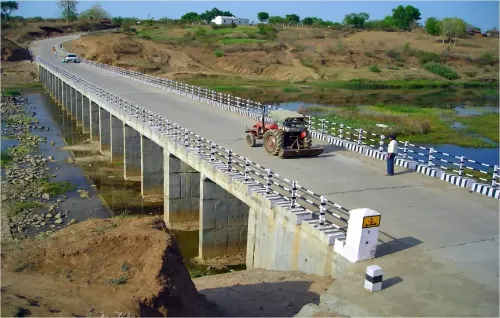
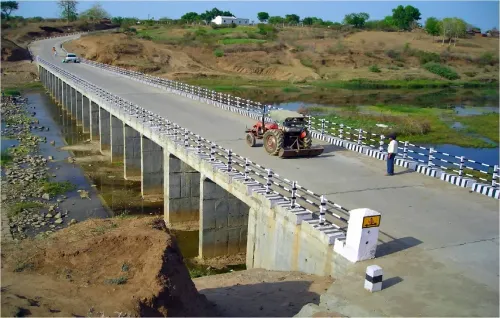
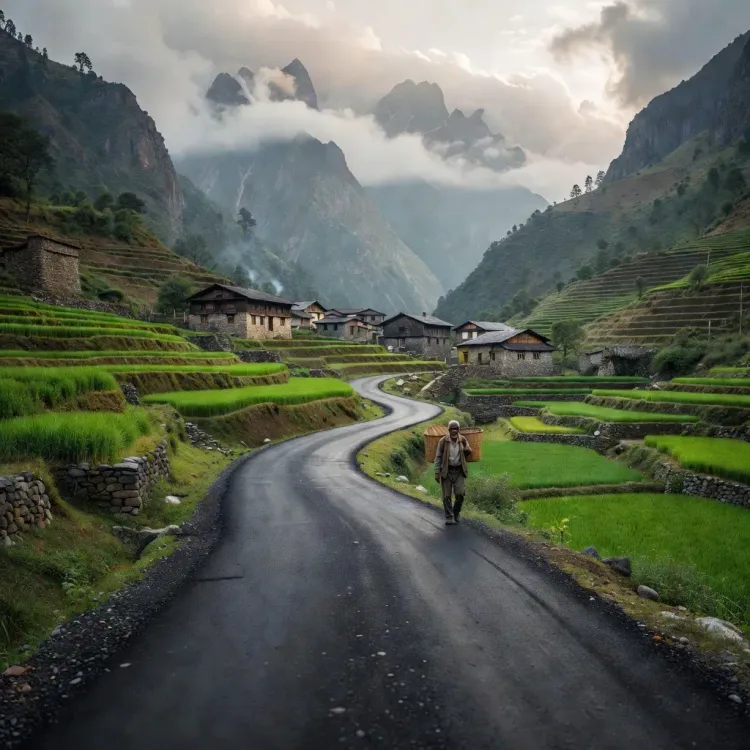
The scale of what has already been achieved is striking. Across three completed phases of PMGSY, ₹11,595 crore has been spent constructing 2,826 roads spanning 21,915 kilometres across Uttarakhand. The result: 1,860 villages — many of them perched at altitudes that make basic logistics a daily ordeal — now have all-weather road access. For a state where geography has long been destiny, these numbers represent a fundamental shift in what ordinary life looks like.
The beneficiaries are not abstract. Students no longer navigate dangerous mountain paths to reach school. Sick patients are reaching hospitals in time. Farmers are moving their produce to markets. Tourism and local commerce, long choked by isolation, are opening up. As the post puts it, 'सड़क पहुंचने से स्थानीय लोगों की राह आसान हुई है' — 'the arrival of roads has eased the path of local people.'
Pauri Garhwal Leads Phase 4's First Round
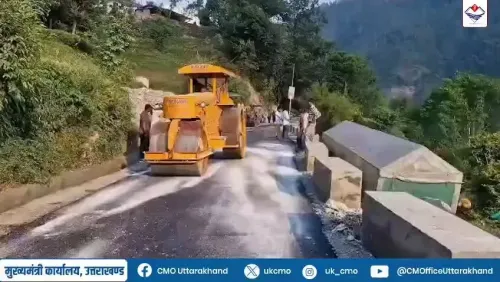
The scheme is now in its fourth phase, and the first cycle of PMGSY-4 is already in motion. At a cost of ₹1,707 crore, 184 roads totalling 1,228.20 kilometres are under construction, set to connect 309 villages to the road network. Pauri Garhwal leads the beneficiary count with 68 villages — the highest of any district in this cycle. Almora and Tehri follow with 47 villages each, while Bageshwar adds 35, Pithoragarh 25, and Nainital and Uttarkashi 24 each. Chamoli accounts for 17, Dehradun and Rudraprayag 10 each, and Haridwar rounds out the list with 2 villages.
The full ambition of PMGSY-4 is larger still. Across all 13 districts of Uttarakhand, a total of 1,479 roads covering 9,344 kilometres are planned under the fourth phase.
Dhami's Advocacy and the Centre's Response
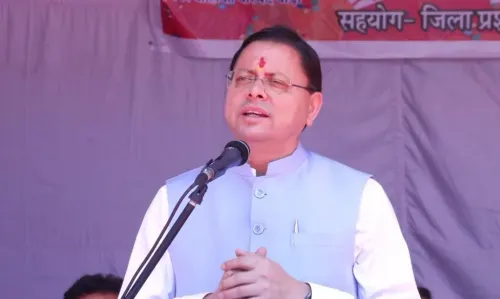
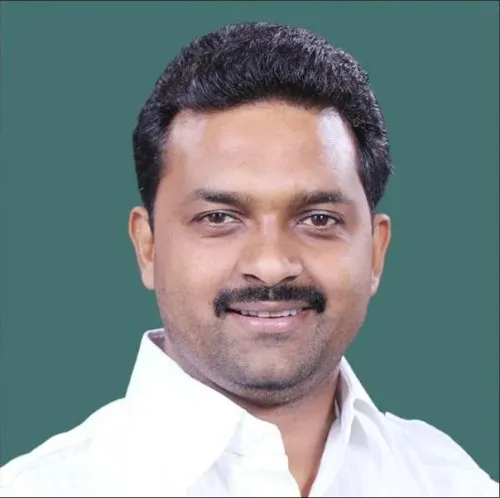
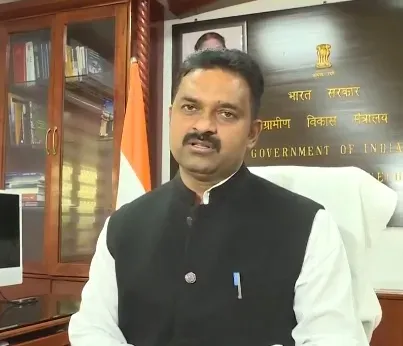
Chief Minister Pushkar Singh Dhami has placed rural road connectivity at the centre of his administration's development pitch, and the CMO post credits his sustained lobbying of the Central government as a key driver of the scheme's expanding footprint in the state. 'The State Government is committed to connecting all remote villages with the road network,' Dhami is quoted as saying. The post notes that his 'strong advocacy' — 'मजबूत पैरवी' — has been the reason PMGSY roads have continued to expand in Uttarakhand.
PMGSY, launched in 2000 as a flagship Central programme to provide all-weather connectivity to unconnected rural habitations, has evolved through successive phases that shifted from pure new-road construction toward network consolidation and upgrades. Uttarakhand's terrain — remote high-altitude villages, narrow gorges, landslide-prone ridgelines — has made it one of the scheme's most logistically demanding theatres, and also one where the impact of each kilometre of tarmac is most acutely felt.
With 309 more villages about to gain road access and nearly 9,344 kilometres of roads planned across 13 districts in Phase 4 alone, Uttarakhand is not just building infrastructure — it is dismantling the geography of exclusion, one mountain road at a time.
Point of View
A narrative that reinforces ruling-party credit ahead of any electoral cycle. The district-level granularity released by the CMO — naming village counts for all 13 districts — is a deliberate accountability marker, designed to make progress trackable and promises harder to walk back. Whether the ambitious 9,344-km Phase 4 target holds to timeline will be the true test of whether the infrastructure commitment outlasts the political season.
NationPress
25 Sept 2026
Frequently Asked Questions
What is PMGSY and how is it helping Uttarakhand?
Pradhan Mantri Gram Sadak Yojana (PMGSY) is a Central government scheme launched in 2000 to provide all-weather road connectivity to unconnected rural villages. In Uttarakhand, three phases of the scheme have built 2,826 roads spanning 21,915 km at a cost of ₹11,595 crore, connecting 1,860 remote Himalayan villages.
What is PMGSY Phase 4 in Uttarakhand?
PMGSY-4 in Uttarakhand targets the construction of 1,479 roads covering 9,344 km across all 13 districts of the state. The first cycle of Phase 4 involves 184 roads spanning 1,228.20 km at a cost of ₹1,707 crore, set to connect 309 villages.
Which district gets the most villages connected under PMGSY-4 Phase 1 in Uttarakhand?
Pauri Garhwal leads Phase 4's first cycle with the highest number of villages — 68 — set to gain road connectivity. Almora and Tehri follow with 47 villages each.
What has CM Pushkar Singh Dhami said about rural road connectivity in Uttarakhand?
CM Dhami has stated that the state government is committed to connecting all remote villages with the road network. He has actively lobbied the Central government for greater PMGSY allocations, and the CMO credits his advocacy as a reason for the scheme's continued expansion in Uttarakhand.
How many districts of Uttarakhand are covered under PMGSY Phase 4?
All 13 districts of Uttarakhand are covered under PMGSY Phase 4, with a total of 1,479 roads planned across a combined length of 9,344 km.