CM Uttarakhand: PMGSY builds new roads in Bageshwar hills
Synopsis
The Chief Minister's Office of Uttarakhand announced on 10 June 2026 that new road corridors are being developed in remote, mountainous Bageshwar district under PMGSY, aiming to bring all-weather connectivity to historically isolated hill communities in the Kumaon division.
Key Takeaways
The Uttarakhand CMO confirmed PMGSY-funded road construction is actively under way in Bageshwar district as of 10 June 2026 .
PMGSY was launched in December 2000 to provide all-weather road access to unconnected rural habitations across India.
PMGSY Phase-III , approved in 2019 , targets consolidation of 1.25 lakh km of rural roads, prioritising hill states.
Bageshwar is a high-altitude district in Uttarakhand's Kumaon division with historically limited road access due to steep terrain.
Improved road connectivity in the district is expected to benefit hill villagers through better access to health, markets, and education.
District-level fund utilisation and completion reports will be the next measurable milestone for these works.
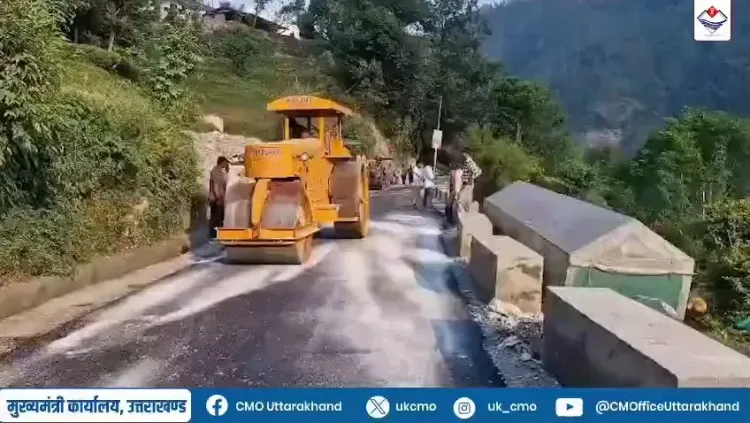
The Chief Minister's Office of Uttarakhand announced on Wednesday, 10 June 2026 that new road corridors are being developed in the remote and mountainous areas of Bageshwar district under the Pradhan Mantri Gram Sadak Yojana (PMGSY), signalling continued state focus on connectivity in one of the Kumaon division's most inaccessible regions.
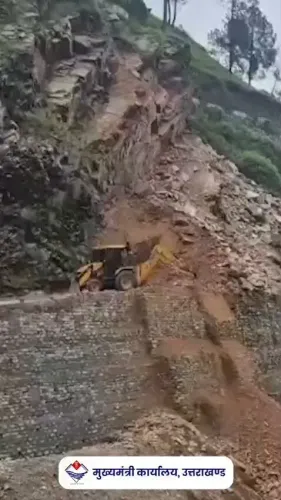
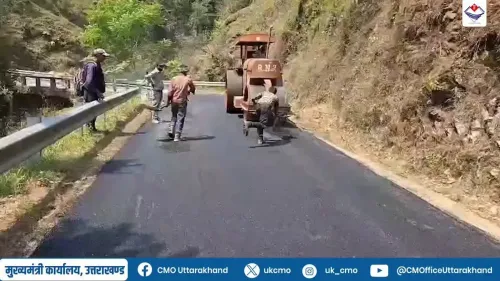
The post, shared in Hindi, stated: 'Bageshwar ke doorasth aur parvatiya kshetron mein Pradhan Mantri Gram Sadak Yojana ke tahat vikas ki nayi rahein taiyar ho rahi hain' — ('New paths of development are being prepared in the remote and mountainous areas of Bageshwar under the Pradhan Mantri Gram Sadak Yojana.') The announcement was accompanied by a video, underscoring the on-ground progress of road-building activity in the district.
Context
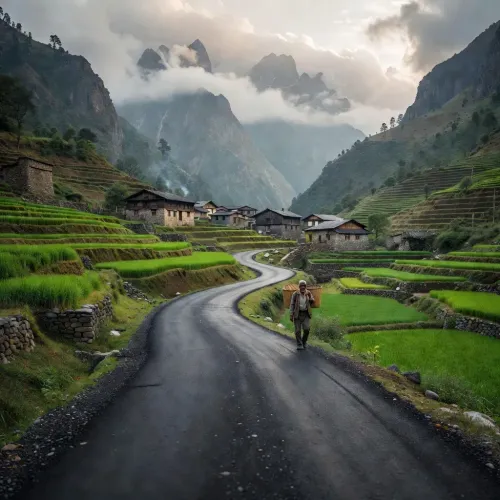
Bageshwar is a high-altitude district in Uttarakhand's Kumaon division, characterised by steep terrain, seasonal snowfall, and habitations spread across elevations that have historically made road construction both expensive and logistically challenging. Many villages in the district have long depended on narrow footpaths or seasonal tracks, leaving residents cut off from markets, health facilities, and schools during harsh winters. The CMO's post signals that active construction or expansion work under PMGSY is currently under way in these areas.Policy Backdrop
PMGSY was launched nationally in December 2000 as a centrally sponsored scheme with the primary objective of providing all-weather road connectivity to unconnected rural habitations across India. The scheme has gone through successive phases; PMGSY Phase-III, approved in 2019, targeted the consolidation of approximately 1.25 lakh kilometres of existing rural roads, with special emphasis on hill states such as Uttarakhand. Uttarakhand, itself formed in 2000, has consistently been a priority recipient of PMGSY funding given the large proportion of its habitations located above 1,000 metres elevation. The state's rural development department is the nodal agency for executing these works at the district level.Stakeholders and Impact
The primary beneficiaries of PMGSY works in Bageshwar are hill villagers and rural communities who currently face restricted mobility. All-weather road access translates directly into improved reach for ambulances and emergency services, reduced transportation costs for agricultural produce, and better school attendance as children no longer need to traverse hazardous mountain tracks. For the broader regional economy, improved connectivity can stimulate local trade and open remote villages to tourism circuits already active in the Kumaon Himalayas. The Government of Uttarakhand has positioned such infrastructure investment as foundational to its development agenda for the hill districts.What's Next
District-level completion reports and fund-utilisation statements for PMGSY works in Bageshwar are expected to be filed with the state's rural development department as construction milestones are reached. Sustained execution of PMGSY projects in remote Himalayan districts will be a key indicator of whether the state's infrastructure push translates into lasting connectivity gains for some of Uttarakhand's most underserved communities.Point of View
Showcasing physical infrastructure in remote Kumaon districts carries both administrative and political weight. The emphasis on Bageshwar — one of the state's more geographically isolated districts — suggests a deliberate effort to demonstrate that development is reaching the last mile, not just accessible valleys. The broader policy arc points toward PMGSY remaining the central instrument for Himalayan connectivity well into the next decade, with Phase-III consolidation work still ongoing across hill states.
NationPress
26 Oct 2026
Frequently Asked Questions
What is PMGSY and how does it help Uttarakhand?
PMGSY, or Pradhan Mantri Gram Sadak Yojana, is a central government scheme launched in December 2000 to provide all-weather road connectivity to unconnected rural habitations. Uttarakhand, with its large share of remote high-altitude villages, has been a consistent priority recipient of PMGSY funding since the state's formation in 2000.
Which district is getting new roads under PMGSY in Uttarakhand in 2026?
Bageshwar district in Uttarakhand's Kumaon division is receiving new road infrastructure under PMGSY, as confirmed by the Chief Minister's Office on 10 June 2026.
What is PMGSY Phase-III?
PMGSY Phase-III was approved in 2019 and focuses on consolidating approximately 1.25 lakh kilometres of existing rural roads across India, with special attention to hill and tribal states such as Uttarakhand.
Why is road connectivity difficult in Bageshwar?
Bageshwar is a high-altitude district characterised by steep mountain terrain, seasonal snowfall, and widely dispersed habitations, all of which make road construction technically challenging and costly.
How does rural road connectivity benefit hill communities in Uttarakhand?
All-weather roads improve access to hospitals, schools, and markets for hill villagers, reduce transport costs for agricultural produce, enable emergency services to reach remote areas, and can stimulate local economic activity including tourism.