Uttarakhand CM Office: Library in Bageshwar Boosts Women Jobs
Synopsis
A library set up in Bageshwar district under Uttarakhand's Gramotthan Project is generating employment for local women while providing youth with reading and study facilities, the Chief Minister's Office announced on October 14, 2026.
Key Takeaways
A library has been established in Bageshwar district under the Gramotthan Project , Uttarakhand's rural development initiative.
The facility is generating employment for local women , likely through self-help group-based management.
The library simultaneously provides reading and study facilities for youth in the hilly Kumaon district.
Bageshwar , in the Kumaon division, is a predominantly rural district with historically limited access to education and livelihood options.
The dual-outcome model — infrastructure plus employment — mirrors broader state efforts in remote Uttarakhand hill districts.
The CMO announcement signals potential replication of the model in other districts under ongoing rural schemes.
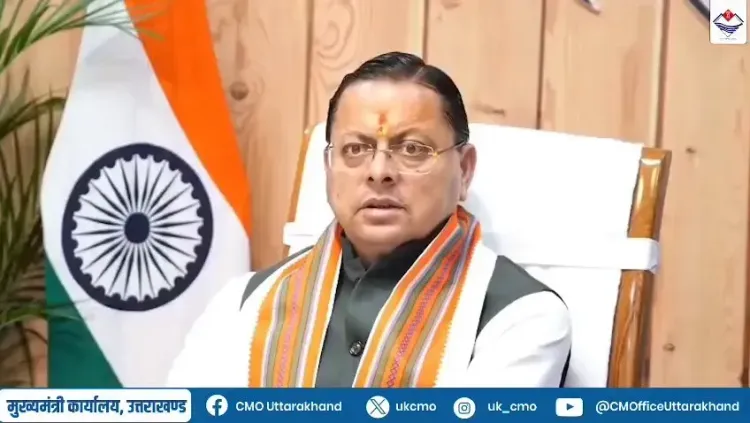
In the hills of Bageshwar, a new library is doing double duty — putting books in young hands and wages in women's pockets. The Chief Minister's Office of Uttarakhand announced on Wednesday, October 14, 2026, that a library established in Bageshwar district under the Gramotthan Project is now generating employment for local women while opening up reading and study facilities for the district's youth.
The post, shared by the official CMO account, states: 'Gramotthan Pariyojana ke sahyog se Bageshwar janpad mein library ki sthapna se mahilaon ko rozgaar milne ke saath hi yuvaon ko mili pathan-pathan ki suvidha' — meaning, 'With the support of the Gramotthan Project, the establishment of a library in Bageshwar district has provided employment to women along with reading and study facilities for youth.'What the Gramotthan Project Does in Uttarakhand's Hills
The Gramotthan Project is an Uttarakhand rural development initiative designed to build village-level infrastructure and create self-employment opportunities, particularly in the state's more remote hill districts. Bageshwar, nestled in the Kumaon division of Uttarakhand, is a predominantly rural district where access to educational resources and livelihood options has historically been limited by terrain and distance.
Library projects rolled out under such schemes typically operate through self-help groups (SHGs), placing women in roles that manage and run the facility — turning a community reading room into a local employment node. The model is elegant in its efficiency: one investment, two outcomes.
Employment and Literacy: Two Gaps, One Intervention
Uttarakhand's hill districts face a familiar twin challenge — young people with limited study infrastructure, and women with limited formal employment. Community libraries anchored to SHG-driven management directly address both. For local youth, the library provides a structured space for study and reading in a district where private coaching and well-stocked schools are not always within reach. For women, it creates a dignified, skill-linked livelihood without requiring migration to urban centres.
This approach mirrors a broader pattern across Uttarakhand's state-run schemes, which have increasingly sought to bundle infrastructure delivery with women's empowerment — making basic services in remote areas self-sustaining rather than dependent on continued state staffing.
Bageshwar in Focus as Model for Other Districts
The CMO's decision to spotlight Bageshwar specifically suggests the library is being positioned as a replicable model. Whether additional libraries or similar hybrid facilities follow in other Uttarakhand districts under ongoing rural schemes is now the question to watch — particularly as the state looks to demonstrate measurable outcomes from its rural development portfolio ahead of future policy reviews.
A library in a hill town. Women running it. Youth reading in it. Sometimes the smallest interventions leave the sharpest footprint.
Point of View
The Gramotthan Project attempts to make rural facilities self-sustaining, reducing dependence on state staffing budgets over time. Politically, highlighting such outcomes in Kumaon's hill districts signals the administration's focus on demonstrating rural welfare results in regions where outmigration and limited services remain persistent voter concerns. If the model scales, it could become a template cited by other hill-state governments facing similar twin deficits of education access and women's employment.
NationPress
14 Oct 2026
Frequently Asked Questions
What is the Gramotthan Project in Uttarakhand?
The Gramotthan Project is an Uttarakhand state rural development initiative focused on building village-level infrastructure and creating self-employment opportunities, especially in remote hill districts like Bageshwar.
Where is Bageshwar district located?
Bageshwar is a hilly district in the Kumaon division of Uttarakhand, known for its predominantly rural population and limited access to urban amenities.
How does the Bageshwar library create employment for women?
Libraries established under schemes like the Gramotthan Project typically operate through self-help groups (SHGs), placing local women in roles that manage and run the facility, creating a formal livelihood opportunity.
What benefits does the Bageshwar library offer to youth?
The library provides a structured space for reading and study in a district where well-resourced schools and coaching centres are not easily accessible, helping bridge the educational infrastructure gap for local youth.
Will more libraries be set up in other Uttarakhand districts under the Gramotthan Project?
The CMO's spotlight on Bageshwar suggests the model may be considered for replication; however, specific rollout plans for other districts have not been announced as of the October 14, 2026 post.