Uttarakhand SHG Sets Up 'Vanya Library' for Students in Lohaghat
Synopsis
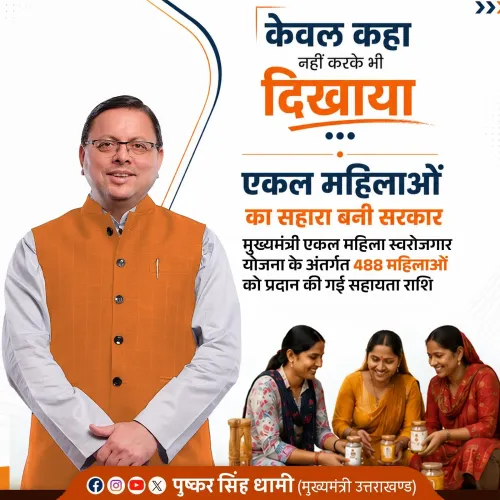
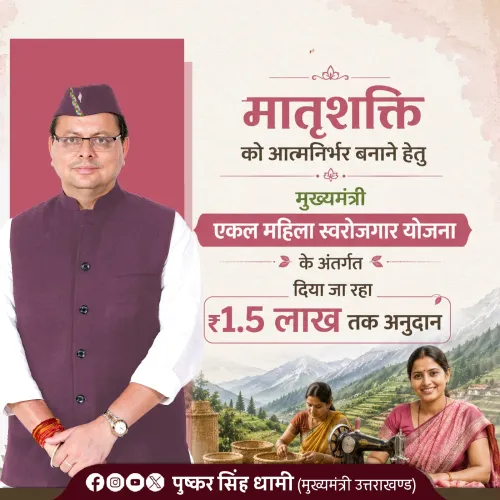
A women's self-help group in Lohaghat, Champawat has established the 'Vanya Library' under the Uttarakhand government's women's empowerment drive, creating a dedicated, safe reading environment for local students in the remote Himalayan district.
Key Takeaways
The Uttarakhand CMO announced the establishment of the Vanya Library in Lohaghat, Champawat district on June 6, 2026 .
The library was set up by a Women's Self-Help Group (SHG) as part of the state's women's self-reliance initiative.
The facility is designed to provide school students with a safe and better environment for reading and study.
Champawat is a hilly, rural district bordering Nepal where access to educational infrastructure is limited.
The initiative reflects a wider national pattern of NRLM-supported SHGs expanding from micro-credit into community infrastructure roles.
The government's public promotion of the model suggests potential replication across other Uttarakhand districts .
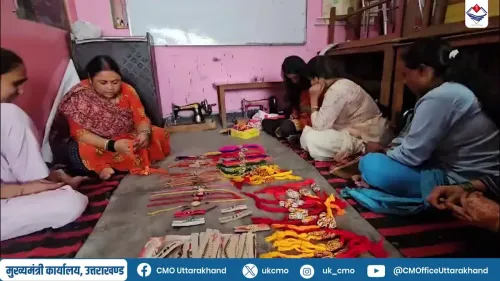
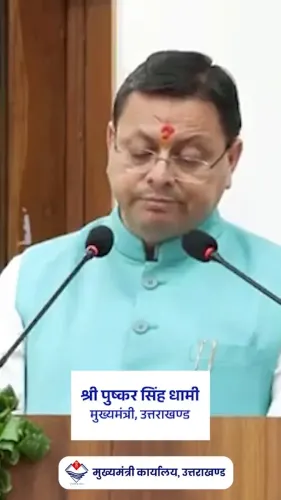
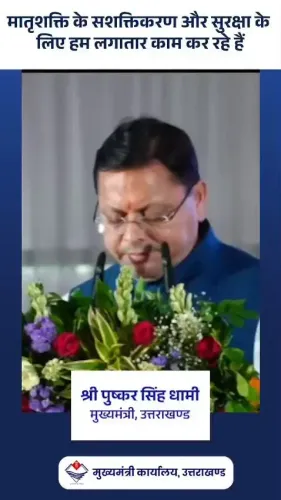
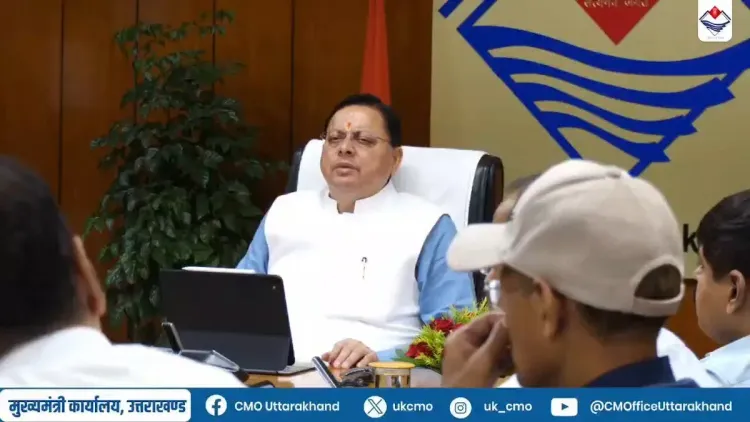
The Chief Minister's Office of Uttarakhand announced on Saturday, June 6, 2026, that a women's self-help group in Lohaghat, Champawat district, has established the 'Vanya Library' ('Vanya Library') to provide students with a safe and better environment for reading, as part of the state government's ongoing efforts to make women self-reliant.
The post, shared by the official CMO handle, states: 'Uttarakhand Sarkar mahilaon ko aatmanirbhar banane ke nirantar prayason ke tahat Lohaghat mein Mahila Swayam Sahayata Samuh ne Vanya Library sthapit kar chhatra-chhtraon ke padhne ke liye surakshit aur behtar mahaul taiyar kiya hai' — 'Under the Uttarakhand government's continuous efforts to make women self-reliant, a Women's Self-Help Group in Lohaghat has established the Vanya Library, creating a safe and better environment for students to study.'
Context
The Vanya Library in Lohaghat is a community-managed reading space set up by a local women's self-help group (SHG). The initiative is positioned by the state government as a dual-outcome effort: advancing women's empowerment through collective enterprise while simultaneously improving access to educational infrastructure for school students in a remote Himalayan district.
Champawat is one of Uttarakhand's 13 districts, bordering Nepal, and is characterised by hilly, rural terrain where access to quality educational facilities has historically been limited. Lohaghat, the tehsil headquarters of the district, serves as a local hub for such community initiatives.
Policy Backdrop
Women's SHGs have been a central instrument of rural development policy in India since the launch of the National Rural Livelihoods Mission (NRLM) in 2011, which channelled support to women's collectives across states, including Uttarakhand, to build financial inclusion and enable community-led projects. The Uttarakhand government has aligned its state livelihood mission with NRLM objectives, promoting SHGs as vehicles for both economic self-reliance and the delivery of local public goods.
The creation of a library by an SHG reflects a broader national pattern in which women's collectives, originally mobilised for savings and micro-credit, have evolved to undertake community infrastructure roles — particularly in Himalayan states where government reach in remote blocks can be limited.
Stakeholders and Impact
The primary beneficiaries of the Vanya Library are school students — boys and girls — in and around Lohaghat, who now have access to a dedicated, safe reading space. The women members of the SHG gain a visible role in community development, reinforcing the government's narrative of women as active agents of local change rather than passive recipients of welfare.
Rural women's groups in Champawat and neighbouring districts stand to benefit from the increased visibility such initiatives generate, potentially attracting further institutional support. Students in remote Himalayan areas, where private tutoring and well-stocked school libraries are scarce, gain a meaningful supplement to their formal schooling.
What's Next
The Uttarakhand government's public highlighting of the Vanya Library signals an intent to showcase and potentially replicate the SHG-led library model across other blocks and districts in the state. Observers will watch whether comparable SHG-driven reading rooms emerge in additional tehsils of Champawat and beyond, and whether the next state budget includes dedicated line items for community-managed education infrastructure. The initiative also sets a reference point for how Uttarakhand frames its women's empowerment agenda in the run-up to future policy reviews.
Point of View
A theme with strong electoral resonance in hill districts. By linking a grassroots outcome directly to the Chief Minister's Office, the administration signals that women's collectives are not peripheral welfare recipients but active co-producers of public infrastructure. This fits a broader arc in which Himalayan states increasingly use SHG-led models to compensate for thin state capacity in remote blocks, while simultaneously building a political narrative around female agency. The durability of the model will depend on whether institutional follow-through — funding, mentorship, book stock — matches the public attention the library now receives.
NationPress
20 Oct 2026
Frequently Asked Questions
What is the Vanya Library in Lohaghat?
The Vanya Library is a community reading space established by a Women's Self-Help Group in Lohaghat, Champawat district, Uttarakhand, to provide school students with a safe and better environment for study.
Who set up the Vanya Library in Champawat?
A Women's Self-Help Group (SHG) in Lohaghat, Champawat set up the Vanya Library as part of the Uttarakhand government's ongoing women's empowerment efforts.
Where is Lohaghat located in Uttarakhand?
Lohaghat is a town and tehsil headquarters in Champawat district, one of Uttarakhand's 13 districts, situated in hilly terrain bordering Nepal.
What is the role of self-help groups in Uttarakhand's development?
Women's SHGs in Uttarakhand are supported under the National Rural Livelihoods Mission (NRLM) to build financial inclusion and undertake community projects, including education infrastructure like the Vanya Library.
Will the Vanya Library model be expanded to other districts in Uttarakhand?
The Uttarakhand government has not officially announced expansion plans, but its public highlighting of the initiative suggests an intent to replicate the SHG-led library model in other blocks and districts of the state.