West Bengal curbs fake doctors in private hospitals with new verification rules
Synopsis
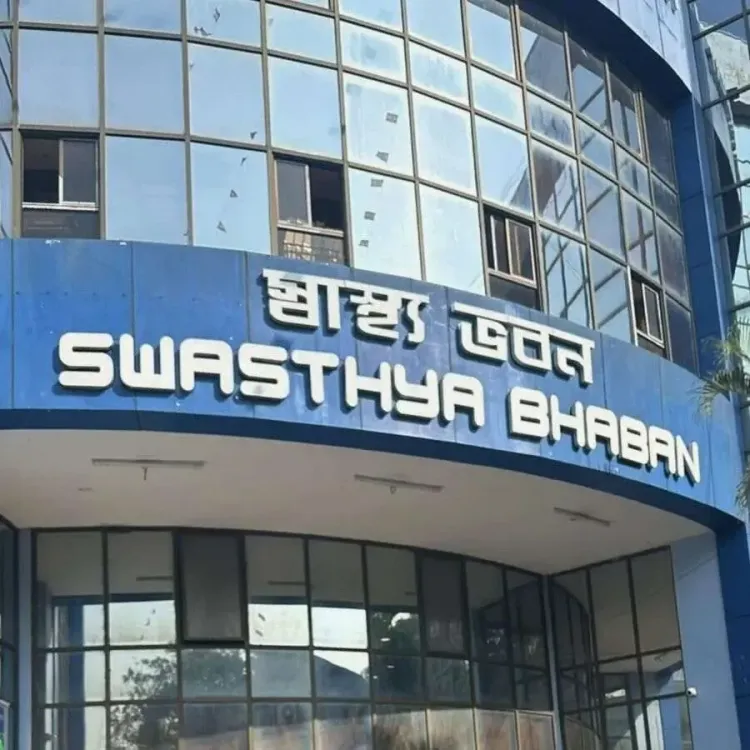
West Bengal has moved to close a dangerous loophole: fake doctors operating in private hospitals using forged certificates. A new state directive now compels private medical establishments to verify every doctor's registration before appointment — and mandates immediate West Medical Council referrals if credentials are in doubt.
Key Takeaways
The West Bengal Health Department issued new protocols on 2 October 2026 to prevent unqualified individuals from practising medicine in private facilities.
Private medical establishments must now verify a doctor's registration number before appointment , under Rule 7(4) of the West Bengal Clinical Establishment Rules, 2017.
Any doubts about a practitioner's credentials must be referred immediately to the West Medical Council for verification.
Those found practising with fake identities or without valid authorisation will face strict legal action and severe punishment .
The issue was first flagged by the Association of Private Medical Hospitals and Nursing Homes ; the new guidelines have been welcomed by the West Bengal Doctors' Forum .
The West Bengal Health Department has issued a fresh set of protocols to prevent unqualified individuals from practising medicine in private healthcare facilities across the state, following reports of people allegedly using forged certificates and fabricated registration numbers to pose as licensed doctors. The directive, issued on 2 October 2026, compels private medical establishments to verify the registration numbers of all doctors before appointment.
What the New Protocols Mandate
Under the revised guidelines, every private medical establishment in West Bengal must cross-check a doctor's registration credentials prior to hiring. The directive is grounded in Rule 7(4) of the West Bengal Clinical Establishment (Registration, Regulation and Transparency) Rules, 2017, which already requires private health facilities to authenticate all documents — a requirement that, according to the state, was routinely flouted.
A state health department official explained the rationale: 'Often, many individuals claiming to be doctors practice without valid registration numbers or approval for practising. Hence, common people get confused. So, we have asked licensing authorities to be vigilant to prevent this fraud.'
What Happens When Doubt Arises
The new framework also outlines a clear escalation path. If any authority harbours doubt about a practitioner's identity, educational qualifications, registration status, or right to provide medical services, it must immediately alert the appropriate regulatory body. 'In case of such doubts, the attention of the West Medical Council should be drawn immediately to verify the eligibility of the doctor concerned,' the official added.
Should an individual be found guilty of offering medical services under a fake identity — or without valid registration and authorisation — the protocols prescribe strict legal action and severe punishment.
How the Issue Came to Light
The problem was first flagged by the Association of Private Medical Hospitals and Nursing Homes, which documented instances of private healthcare facilities employing individuals without valid registrations. The association also pointed to cases where such individuals were independently running private chambers and offering consultations to unsuspecting patients, posing a direct risk to public health.
The body had urged both the state government and the medical council to introduce stronger deterrents against unauthorised practitioners. Their intervention appears to have catalysed the Health Department's response.
Industry and Medical Community Response
The new guidelines have been welcomed by the West Bengal Doctors' Forum, described as a leading representative body of medical practitioners in the state. Their endorsement lends institutional weight to the directive and signals broader professional consensus on the need for stricter credential verification in the private sector.
Notably, the issue of fake doctors operating in private healthcare is not unique to West Bengal — similar cases have surfaced in other states, underscoring a systemic gap in ongoing credential monitoring once a practitioner is hired. With the new protocols now in place, how consistently licensing authorities enforce them will determine whether this intervention moves beyond paperwork.
Point of View
But its effectiveness hinges entirely on enforcement — a historically weak link in India's private healthcare regulation. Rule 7(4) of the 2017 Clinical Establishment Rules already required document verification; that private facilities routinely ignored it reveals the gap between existing law and on-ground compliance. The Association of Private Medical Hospitals and Nursing Homes flagging its own sector's lapses is noteworthy and suggests the problem may be more widespread than official records capture. Without a centralised, real-time doctor-registration database accessible to private hospitals and a penalty structure with teeth, this notification risks becoming another paper directive.
NationPress
2 Oct 2026
Frequently Asked Questions
What are the new protocols issued by the West Bengal Health Department?
The West Bengal Health Department has directed all private medical establishments to verify a doctor's registration number before making any appointment. Under the new framework, if any doubt arises about a practitioner's credentials, the matter must be immediately referred to the West Medical Council for verification.
Why has West Bengal introduced these doctor-verification rules?
The protocols were introduced after reports emerged of individuals allegedly practising medicine using forged certificates and fake registration numbers, which the Association of Private Medical Hospitals and Nursing Homes had flagged to the state government. The aim is to protect patients from unqualified practitioners operating in private healthcare facilities.
What legal action can be taken against fake doctors in West Bengal?
Under the new guidelines, anyone found offering medical services with a fake identity or without valid registration and authorisation faces strict legal action and severe punishment, as specified by the Health Department. The exact penalties would be governed by applicable medical practice and fraud laws.
Which existing rule do the new protocols reinforce?
The protocols are grounded in Rule 7(4) of the West Bengal Clinical Establishment (Registration, Regulation and Transparency) Rules, 2017, which already required private health facilities to verify all documents — a provision that was reportedly not being consistently followed.
Who has welcomed the new fake-doctor protocols in West Bengal?
The West Bengal Doctors' Forum, a leading body representing medical practitioners in the state, has welcomed the new guidelines. The Association of Private Medical Hospitals and Nursing Homes, which originally raised the alarm, had also urged the government to take stronger action.